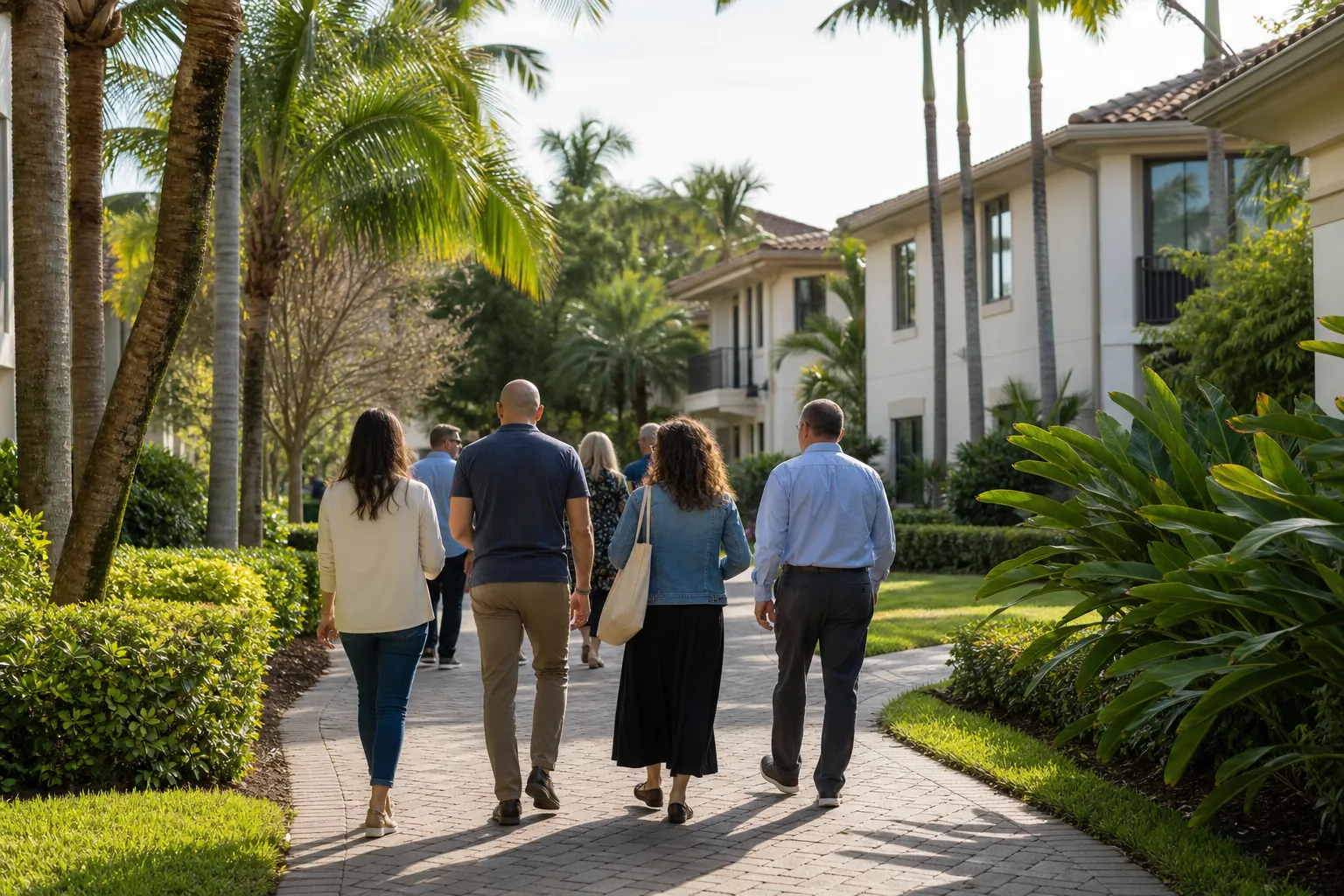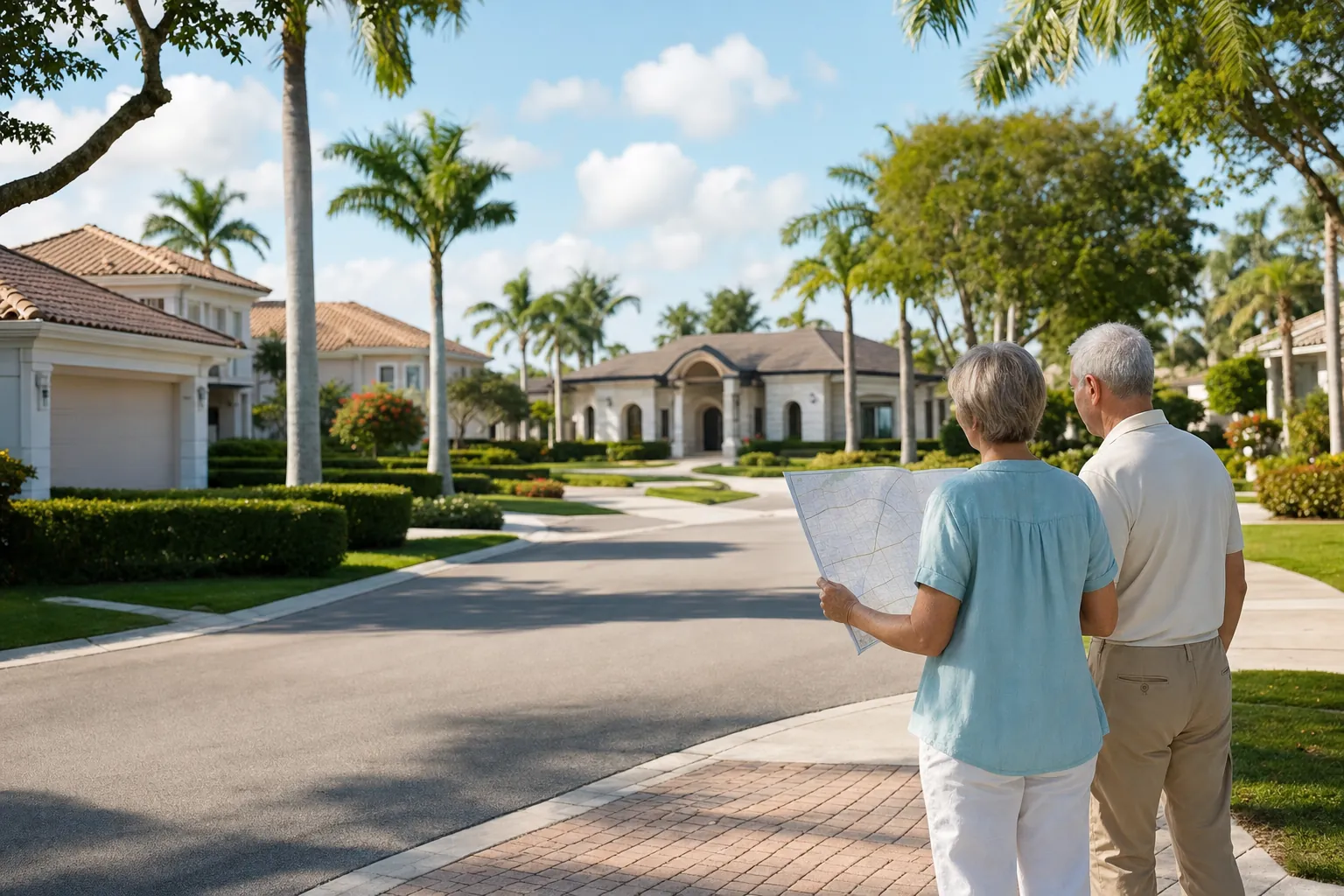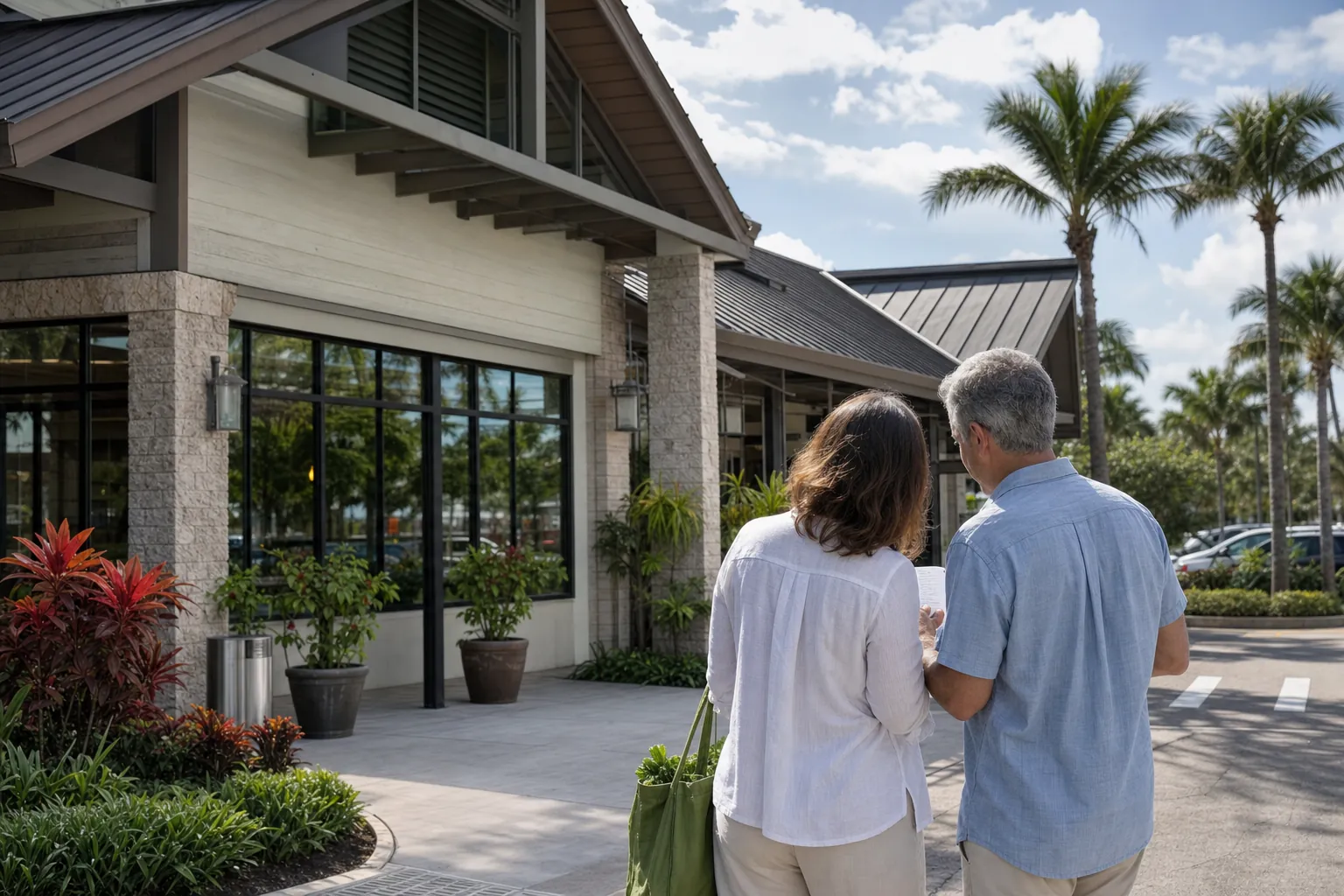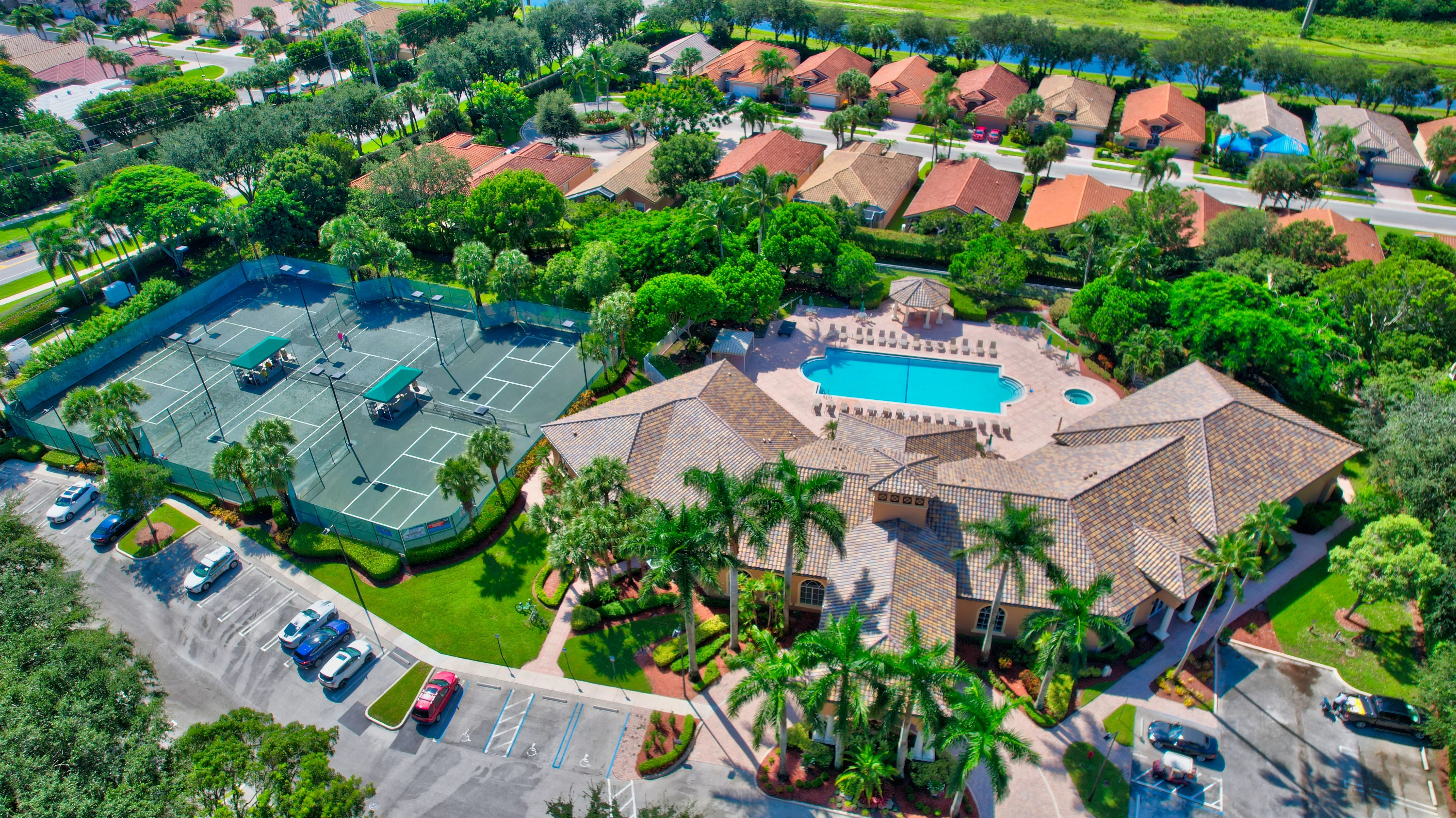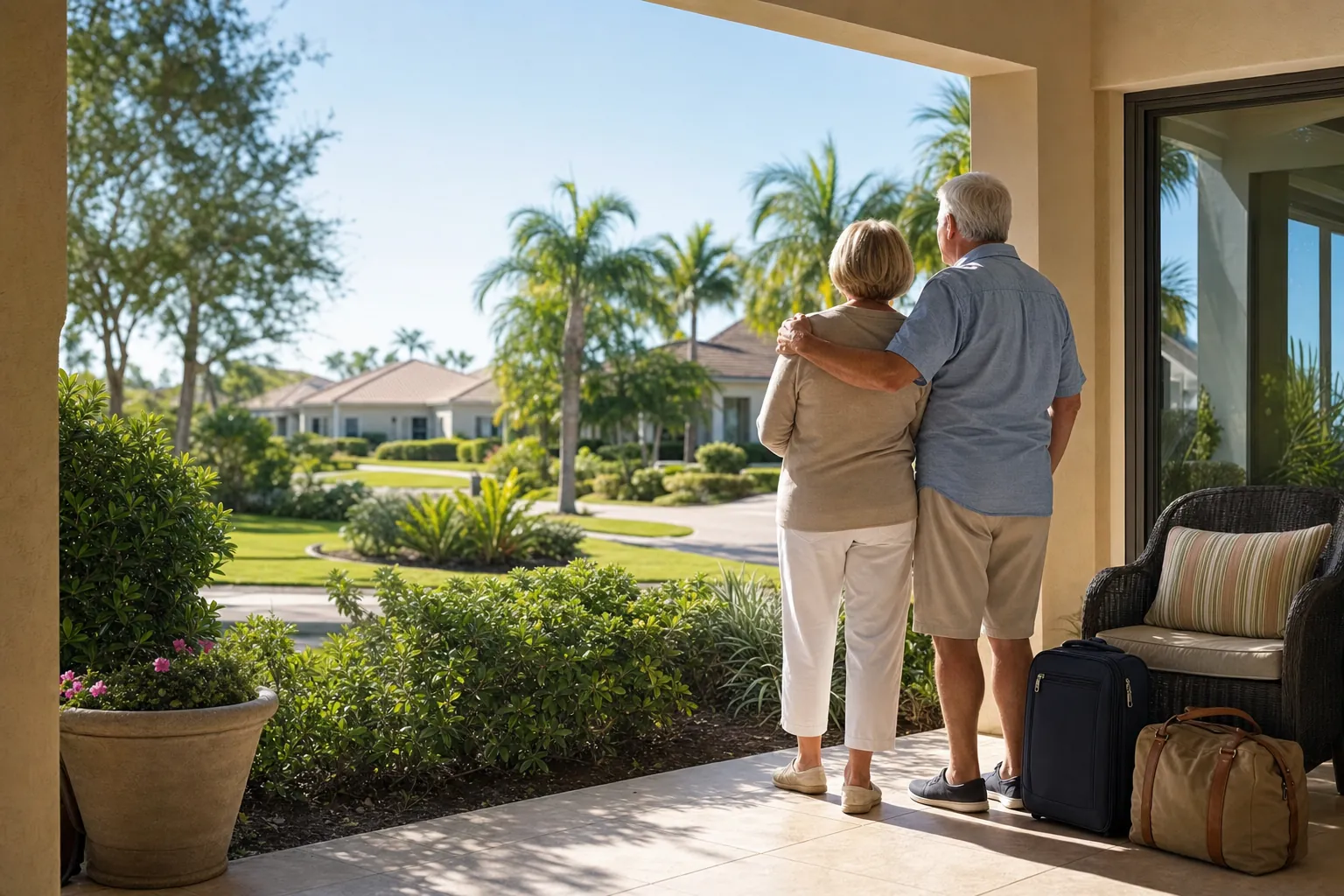
A South Florida snowbird or retirement move is about more than warmer weather. It is about creating a second home, or a new primary home, that remains comfortable when you are here and manageable when you are away. The best choice is rarely the one with the most impressive first showing. It is the one that makes daily life, travel days, family visits, weather planning, and home care feel straightforward.
Boca Raton, Delray Beach, and Boynton Beach give retirees and seasonal residents a wide range of choices. You may prefer a condo with fewer exterior responsibilities, a villa with a quieter routine, or a single-family home with more space for guests. Each option has its own association questions, maintenance needs, insurance considerations, and travel logistics. The right answer depends on how you plan to live, not simply how long you expect to be in Florida.
A good retirement plan leaves room for change. Your travel schedule may become longer or shorter. Family may begin visiting more often. A hobby, a volunteer role, or a medical need may change which location feels most convenient. Rather than trying to predict every future detail, choose a home and community that give you reasonable options. That flexibility can be more valuable than paying for space or amenities you may not use consistently.
This guide is a practical starting point for planning a snowbird or retirement move. It is not legal, tax, insurance, medical, or financial advice. Rules and costs can change, so confirm tax, residency, association, insurance, and emergency-planning questions with the appropriate licensed professional, community, or public agency before you make a decision.
1. Decide whether you are building a seasonal home or a permanent Florida home
Start by being honest about the rhythm you want. Some people expect to spend a few winter months in South Florida and keep their main home elsewhere. Others want to begin seasonally, then make Florida their primary home later. A third group is ready to establish a year-round life immediately. Those paths can lead to different questions about home size, storage, community rules, taxes, mail, medical care, transportation, and the people you want nearby.
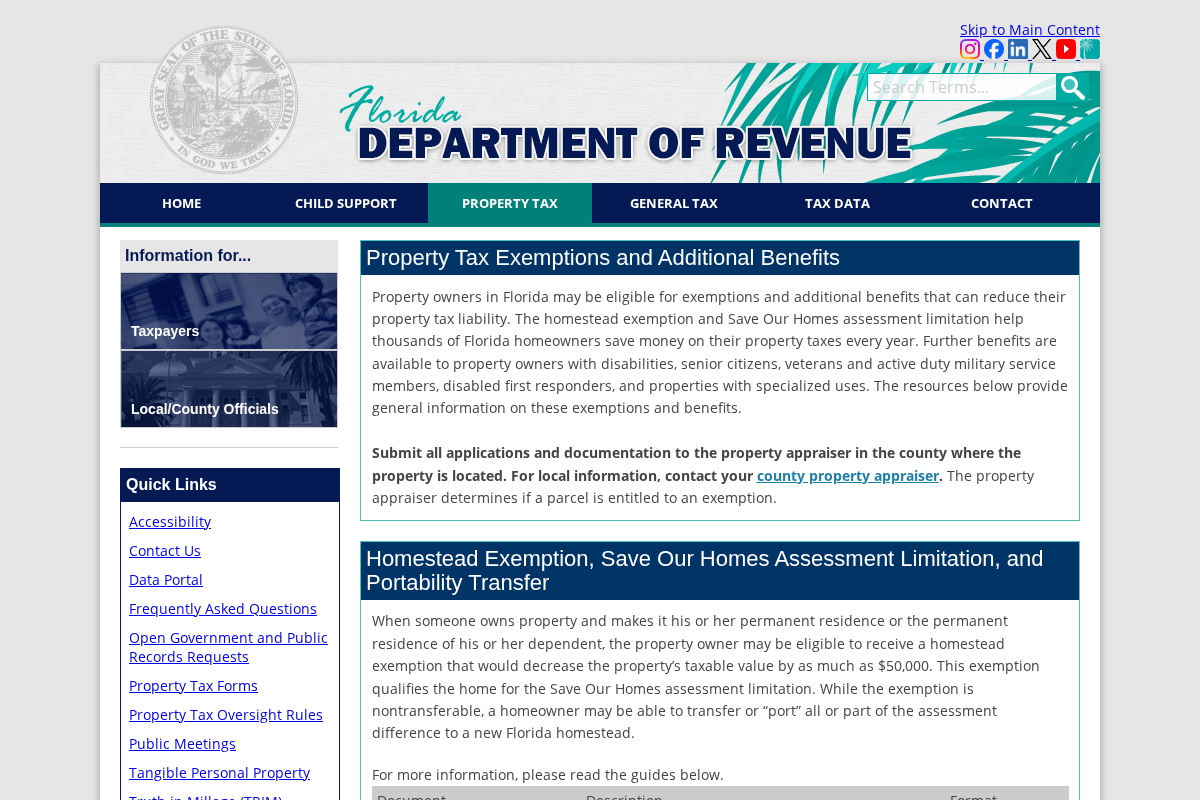
For example, Florida’s Department of Revenue explains that a homeowner who makes property a permanent residence may be eligible for a homestead exemption, subject to the rules and local property appraiser review. The Florida property tax exemption guidance is a useful first source for understanding the distinction. Do not assume a seasonal address qualifies, and do not make a residency decision from a general article. Speak with the local property appraiser and your own tax or legal adviser about your facts.
The decision also affects the home itself. A true seasonal home may benefit from a lock-and-leave layout, straightforward exterior care, secure storage, and a community with clear procedures for owners who travel. A permanent home may place more weight on daily errands, nearby family, medical care, familiar social activities, and space for hobbies or long visits.
2. Choose a home that works on arrival day and departure day
A home can feel very different on a two-hour showing than it does on the day you arrive tired from a flight or prepare to leave for several months. Think through the first and last day of each stay. Where will suitcases go? Is there a simple place for deliveries? Can you close the home comfortably? Are the locks, windows, garage, thermostat, and exterior systems easy for you to manage? These details are not glamorous, but they determine whether a seasonal home feels restful or demanding.
Look at maintenance with the same care you bring to square footage. In a condominium, ask which building systems, exterior work, landscaping, pest control, and insurance responsibilities are handled by the association, then read the exact documents for the property. In a single-family home, ask what work remains your responsibility while you are away. The answer can vary even within the same community.
Use the community comparison worksheet to record the questions that are easy to forget after a tour. Include package handling, visitor access, parking, storage, pet rules, rental rules, and the community’s process for emergencies or vendors. A clear side-by-side comparison can make a smaller, easier home look more valuable than a larger one with a longer list of obligations.
3. Build a realistic year-round budget before you fall in love with a listing
A seasonal budget is more than the purchase price and monthly association fee. Include utilities when the home is vacant, property taxes, insurance, community fees, maintenance, travel, cleaning, pest control, repairs, and any service you may want while away. If a community offers concierge, gate, valet, club, or monitoring services, ask exactly what is included and what is optional. The documents for the specific home matter more than a general description of the neighborhood.
It is also wise to plan for ordinary surprises. A home can need service even when no one is there. Appliances age, a water leak can happen, a storm can move through, or a vendor may need access. A realistic reserve and a simple list of trusted contacts give you more flexibility than hoping nothing will arise between visits.
Before you make an offer, use Paul’s 55+ buying guide and the association documents for the exact property to understand the questions behind the listing. Your lender, insurance professional, attorney, accountant, and community manager each have a different role. Bring them in early when their advice affects your decision.
4. Set up a simple away-from-home plan
The best seasonal-home plan is simple enough to follow every time. Before you travel, decide who can access the home, how you will receive mail, who will notice an urgent issue, and how you will pay recurring bills. Keep copies of insurance, association, vendor, and emergency contacts in a place you can reach from both homes. If you use a house watcher or neighbor, agree in advance on what they should check and how often they should contact you.
Ask the association about its rules for vacant homes, vendor access, shutters, exterior changes, parking, deliveries, and emergency entry. If you are considering a condominium, ask whether the building has a manager, front desk, or maintenance contact, and what services they do and do not provide. The goal is not to depend on the community for everything. It is to understand the system clearly enough to create your own backup plan.
Your plan should cover comfort as well as security. Think about thermostat settings, water management, appliances, food, plants, vehicles, and the documents you would need if you had to arrange a repair from another state. A manageable plan lets you enjoy the season instead of spending the first week fixing avoidable problems.
5. Plan for hurricane season before you need to act
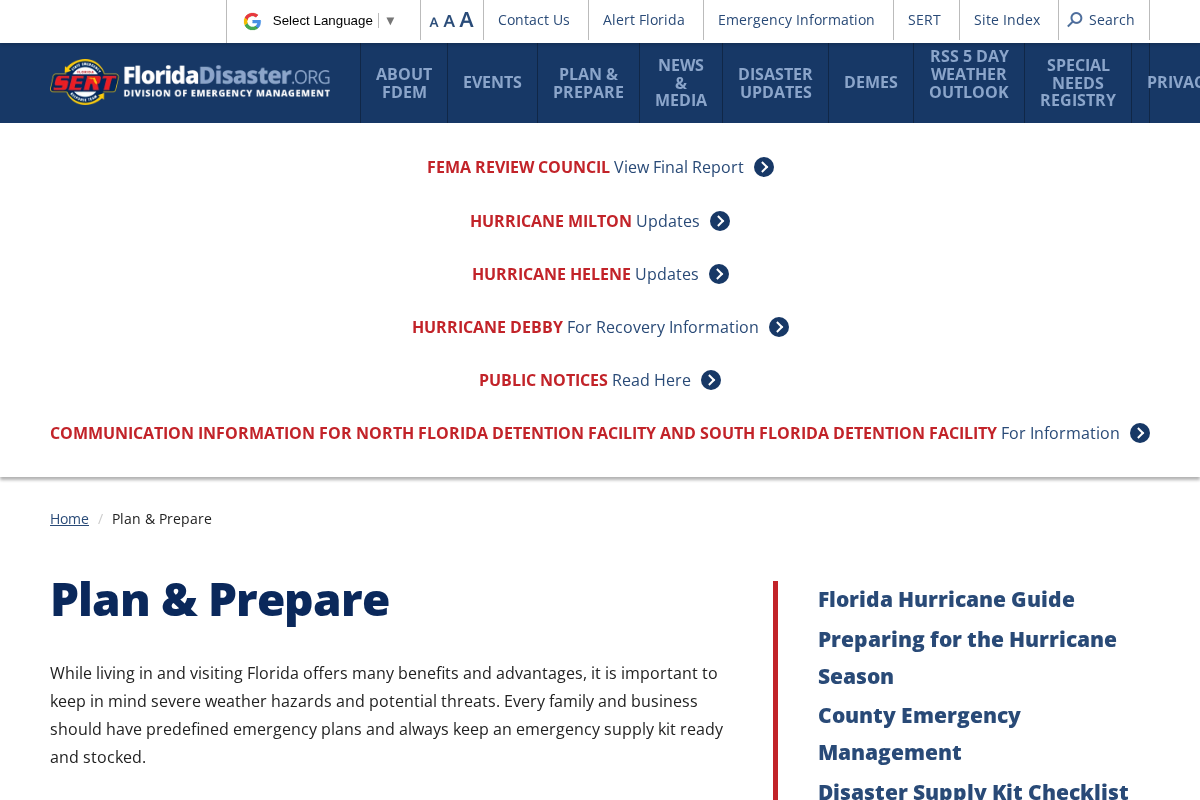
Every Florida homeowner, whether year-round or seasonal, needs a clear severe-weather plan. The Florida Division of Emergency Management’s Plan and Prepare resources emphasize having a predefined plan and a stocked emergency supply kit. Review your community’s procedures, learn your evacuation zone, sign up for local alerts, and decide who will help if you are out of state when a storm affects the area.
For someone who travels, the key question is not only “Would I stay or leave?” It is also “Who will make decisions if I am away?” Keep the association manager, insurer, restoration contact, and a trusted local person in the same place. Confirm how you will receive updates, what proof of insurance or ownership you may need, and how a vendor can get access if there is an urgent issue. Do this during calm weather, not when forecasts are changing every few hours.
If you or someone in your household has a medical or functional need, look at the state’s emergency preparedness resources and local special-needs registration information early. A personal plan should reflect your medications, mobility, equipment, caregivers, and transportation needs. Your health professional and local emergency managers can help you decide what belongs in that plan.
6. Test the daily routine, not only the community amenities
A clubhouse, pool, and beautiful landscaping can be part of a strong retirement lifestyle, but they are only part of the picture. Visit at the times you expect to use the area. Drive to the grocery store, a favorite restaurant, medical appointments, the airport route, and places of worship or social connection. Notice the parking, lighting, traffic, distance from the gate, and how you feel about the trip after a full day.
A helpful first visit includes one ordinary errand, one social stop, and one quiet drive through the community. You are looking for the balance between convenience and enjoyment. Some people want a highly active calendar close to home. Others want a peaceful setting with easy access to the places they choose. The touring checklist helps you compare those experiences while they are still fresh.
Community fit can change with the season. Ask which activities remain available year-round, whether residents use the amenities differently in summer, and what happens to the rhythm of the neighborhood when seasonal neighbors are away. There is no universal right answer, but it is useful to understand before you buy.
If possible, return for a second visit at a different time of day or season. A morning tour may show a different pace than an evening event, and a winter visit may feel different from a quieter summer month. The extra visit can confirm whether the community suits your preferred level of activity before you make a long-term commitment.
7. Make the first season easy on yourself
You do not need to solve every part of retirement during the first month. Choose a home that gives you a stable base, then build routines gradually. Start with essential services, a few enjoyable places, and the people you can call. Add clubs, classes, volunteer work, and new friendships as you learn what feels like a good fit.
Give yourself a first-season checklist instead of a first-season deadline. Set up the home, meet the community manager or neighbors, learn the routes you use most, and make sure your away-from-home plan is in place. Then leave room to enjoy the weather, time with family, and the reasons you wanted a South Florida home in the first place. A retirement move should make life feel lighter, not turn every month into a project.
The Boca, Delray, and Boynton relocation guide is one place to explore local connection beyond the home itself. Whether you are coming for the winter or staying year-round, the goal is to create an ordinary week you look forward to, not a schedule that feels like a second job.
How Paul helps snowbirds and retirees choose with confidence
Paul helps people compare Boca Raton, Delray Beach, and Boynton Beach 55+ communities through the lens of real life. That includes the home, association, travel rhythm, maintenance picture, local errands, family visits, and the activities that make a seasonal or retirement move feel connected. He does not replace your tax, legal, insurance, medical, or financial adviser, but he can help you ask better housing questions before you commit.
Use the contact page to talk through your priorities before scheduling a tour. A focused list makes it easier to spend your time in communities that truly fit the way you want to live.
Frequently asked questions
What should a snowbird look for in a South Florida home?
Look for a home and community that are comfortable to use when you arrive and simple to manage when you leave. Review the exact association rules, maintenance responsibilities, storage, access, parking, vendor process, travel routine, and emergency procedures. The best fit depends on how often you travel, how much home care you want to handle, and the everyday activities that matter to you.
Can a seasonal Florida resident claim a homestead exemption?
Florida’s homestead exemption relates to permanent residence and is reviewed under state and local rules. A seasonal homeowner should not assume eligibility. Contact the county property appraiser and your own qualified tax or legal adviser for guidance based on your circumstances before making a residency or tax decision.
How should snowbirds prepare a Florida home for hurricane season?
Create a written plan before storm season, including local alerts, evacuation-zone information, emergency supplies, insurance and association contacts, and a trusted local point of contact. The Florida Division of Emergency Management and local emergency management agencies provide current public preparedness guidance. Your plan should also account for your own health, mobility, medication, caregiver, and transportation needs.
Is a condo or a single-family home better for a snowbird?
Neither is automatically better. A condo may offer more shared exterior maintenance, while a single-family home may offer more space and privacy. The important question is the exact responsibility attached to the property you are considering. Read the association documents, ask how vacant homes are handled, and compare the ongoing work, costs, access, and travel logistics before deciding.
Written and reviewed by Paul Saperstein, Broker Associate, SRES® | eXp Realty LLC: Last reviewed August 2026.