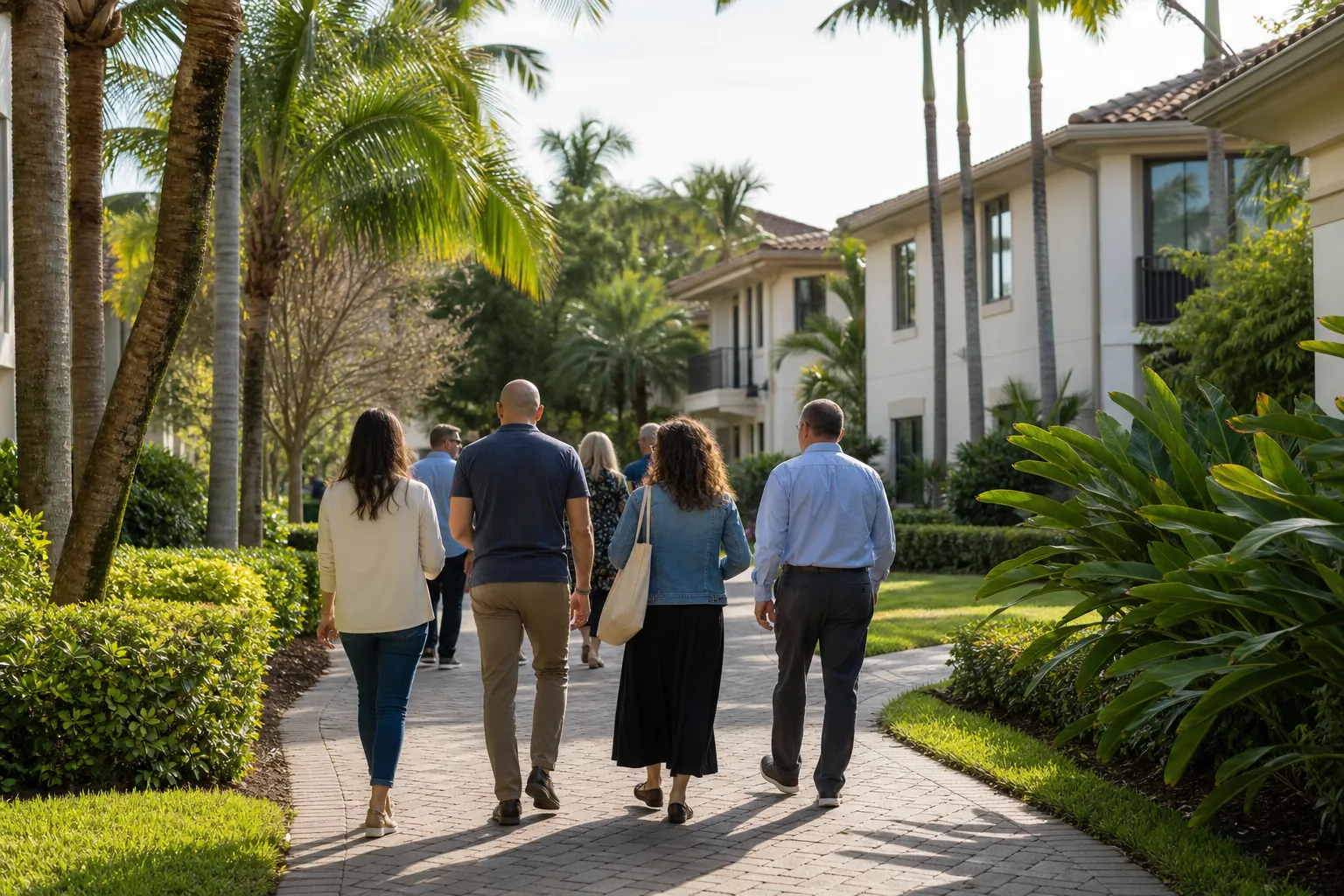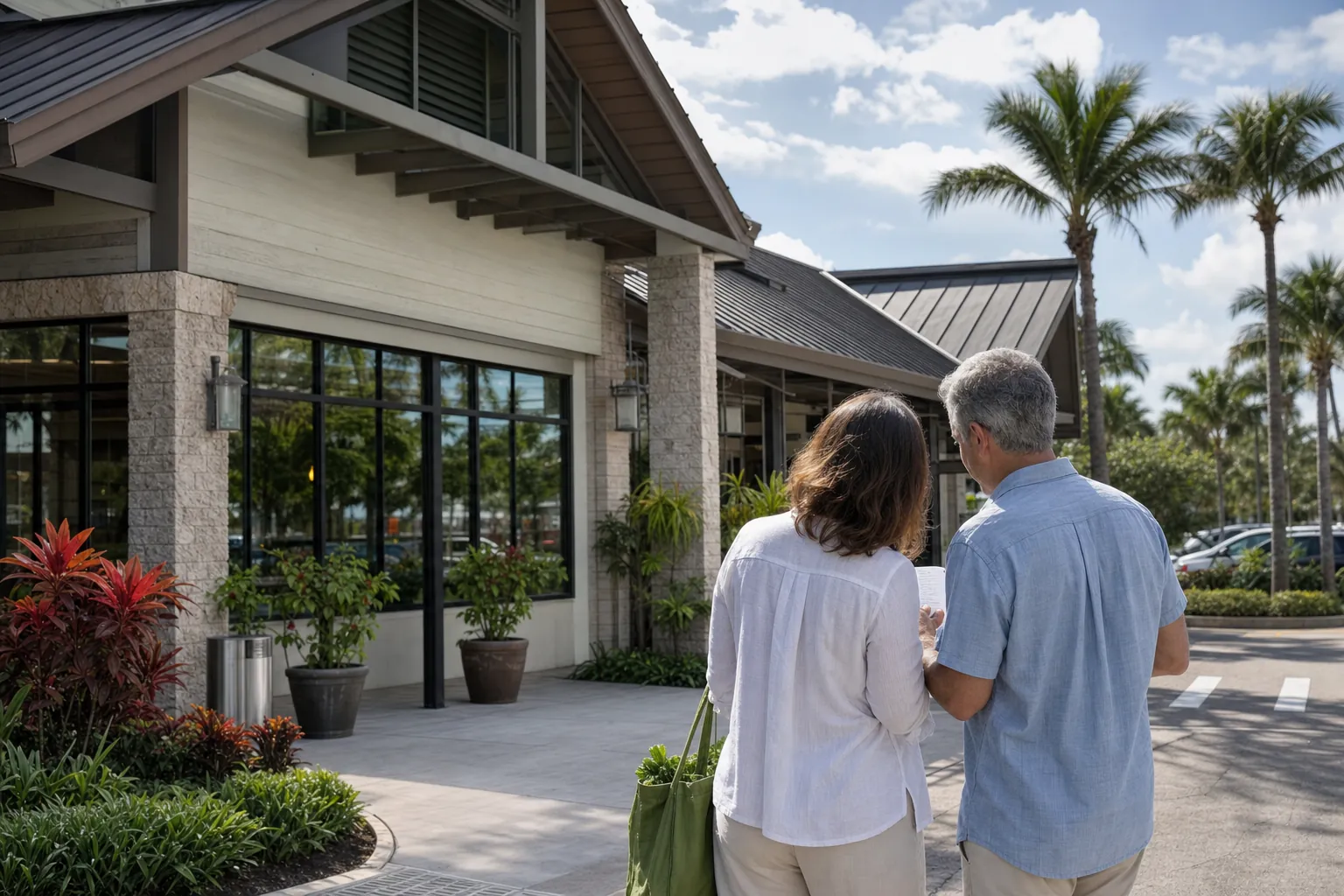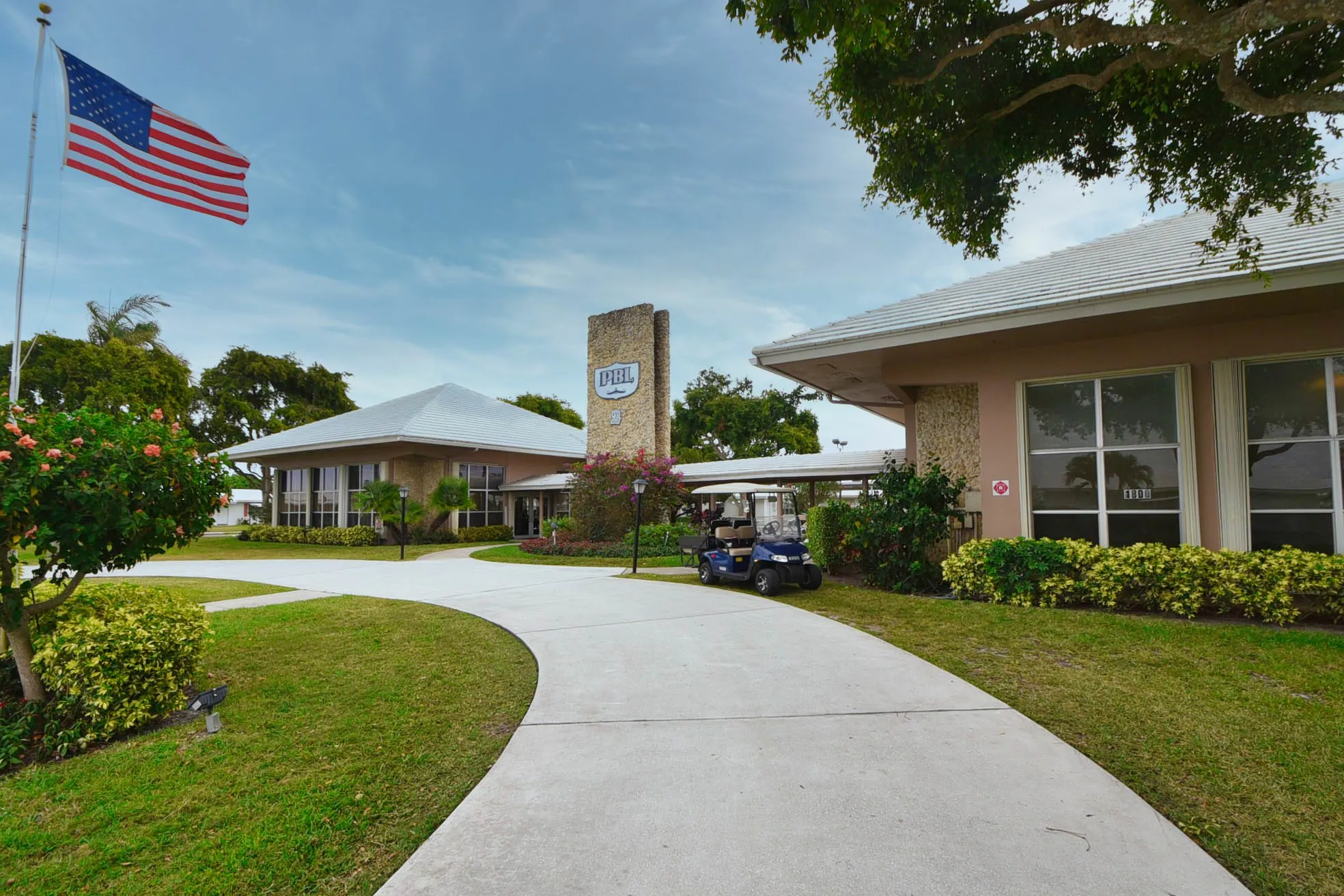
A move to Florida can look simple from a distance: choose a city, find a home, pack, and head south. For a 55+ buyer, the real decision usually has more layers. You may be choosing a new daily routine, a different home-maintenance picture, an association, a health-care and family-access plan, and a place that needs to work well in both the first month and the years after.
The best Florida move is not built around a single sunny showing. It is built around a calm sequence of decisions. First decide how you want to live. Then compare homes and communities against that plan. Finally, organize the practical work that makes the arrival feel manageable rather than rushed.
Use this moving to Florida checklist as a planning guide, not legal, tax, insurance, or financial advice. Rules, fees, insurance availability, association requirements, and government deadlines can change. Confirm the current details for your situation with the responsible agency and the professionals helping with your move.
Start with your real week, not a map pin
Before you compare neighborhoods, write down what a comfortable ordinary week looks like. Include grocery trips, medical care, airport access, family visits, dining, fitness, worship, hobbies, volunteer work, beach time, and the friends or relatives you expect to see. A community can look excellent online and still create a daily drive or home layout that becomes tiring.
If you are considering Boca Raton, Delray Beach, Boynton Beach, or Lake Worth, test the routes that matter to you at the times you would actually use them. A weekday morning, a late-afternoon errand, and a weekend visit can feel very different. Bring that list into every tour so you are comparing more than a kitchen, a pool, or a listing price.
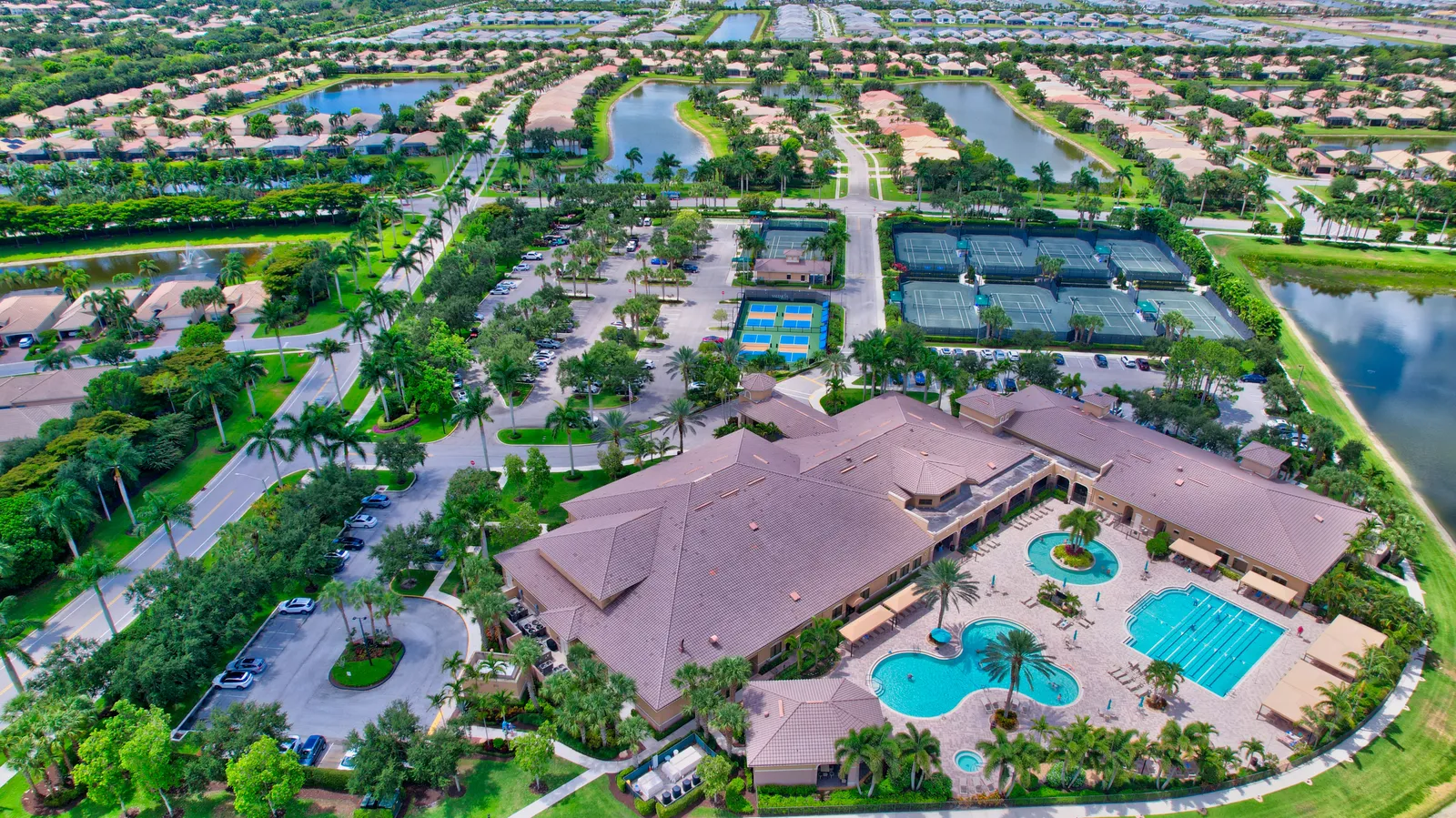
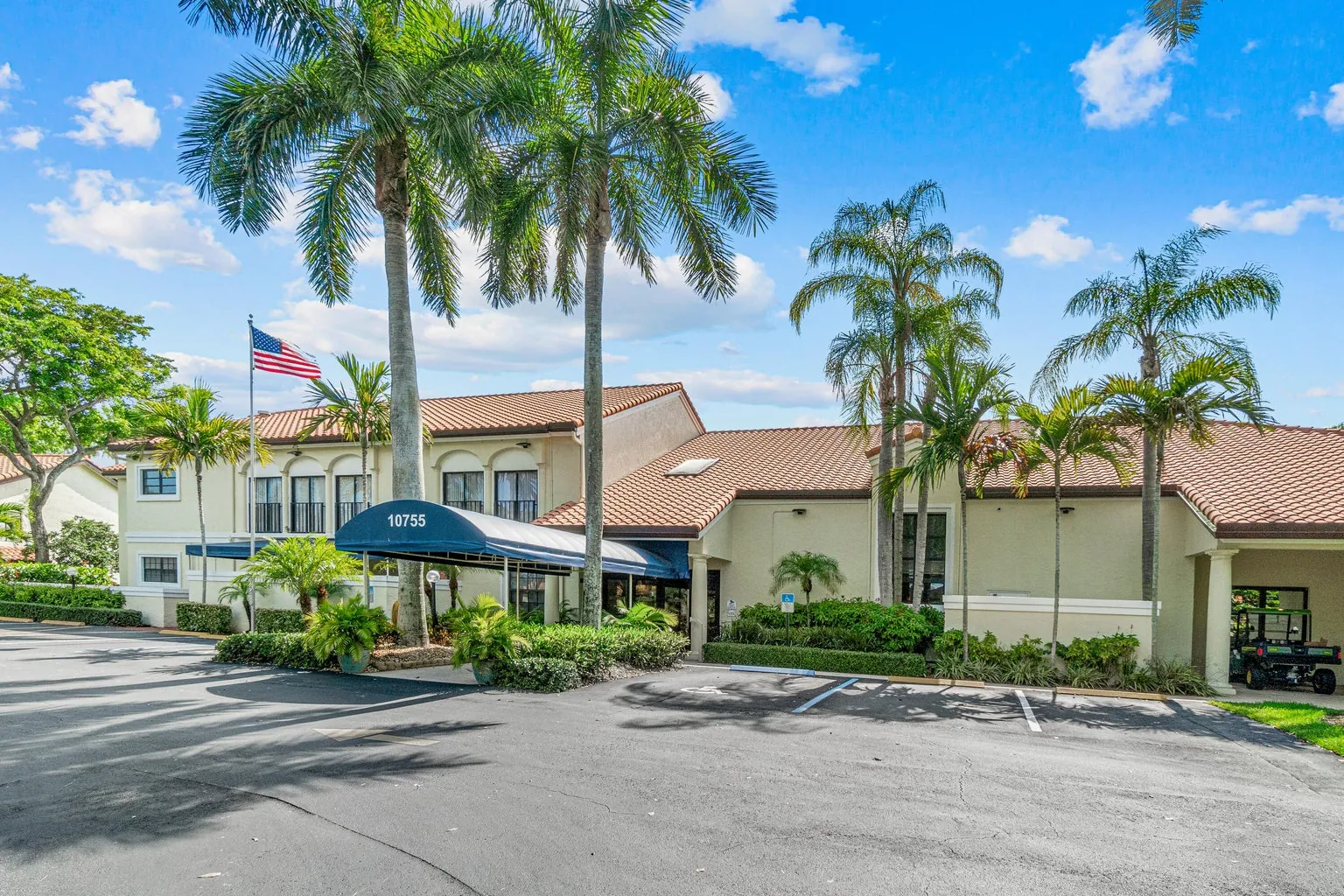
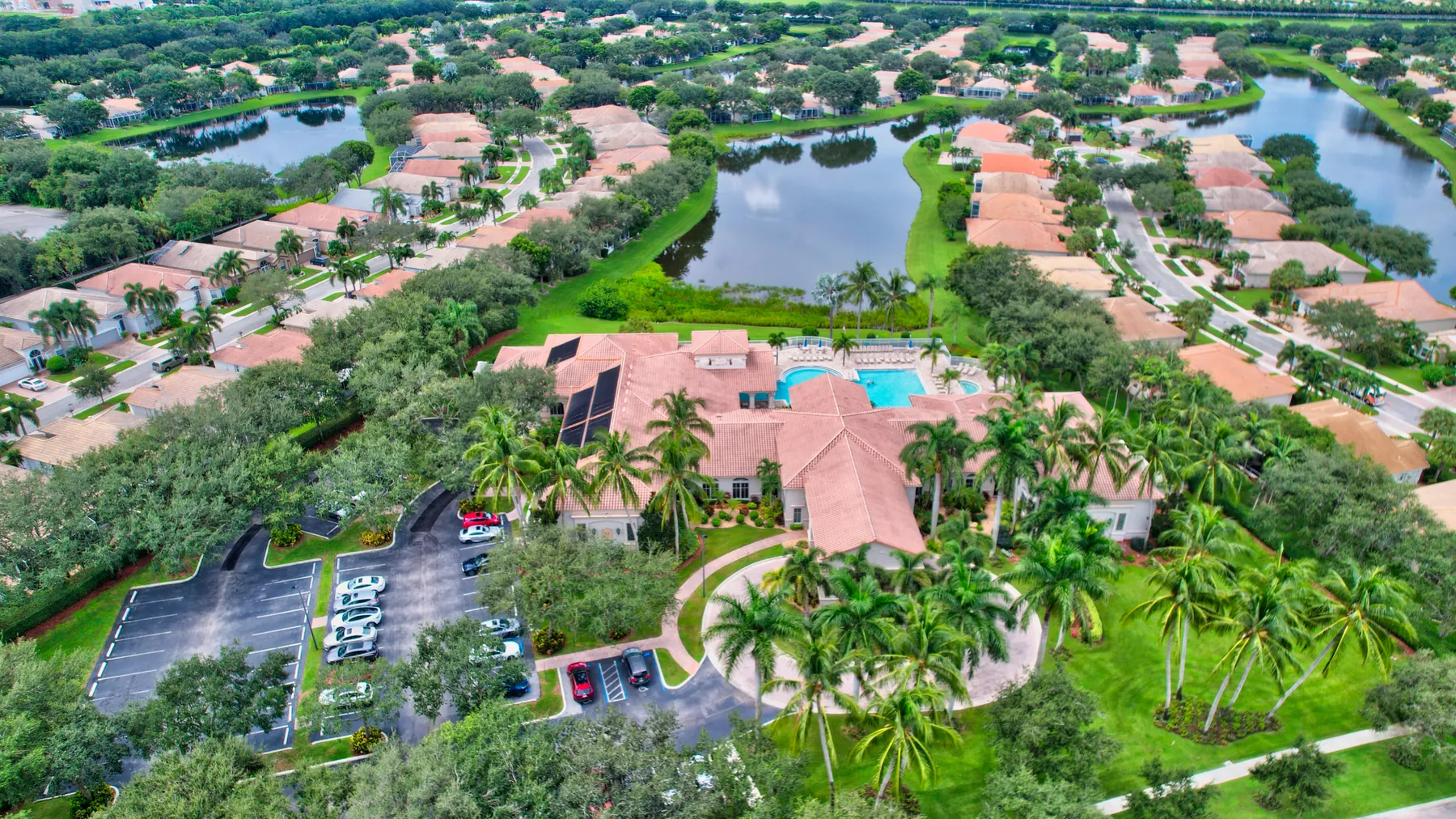
For a 55+ community, add the details that shape daily life: the route from the home to the clubhouse, guest parking, walkability, home type, gate access, amenity use, and the association’s current approval process. Paul’s community comparison worksheet gives you a straightforward way to keep those observations together while they are still fresh.
Build a Florida ownership budget before you fall in love with a home
A Florida home’s asking price is only one part of the move. Make a monthly and first-year estimate that includes the purchase or rent payment, property taxes, homeowner or condo insurance, possible flood coverage, association or club fees, utilities, maintenance, travel during the move, and a reserve for the items you will discover after closing. The goal is not to predict every dollar. It is to avoid treating one familiar number as the whole decision.
Get property-specific insurance conversations early. The roof, wind-mitigation features, location, building type, deductible, community documents, and carrier availability can change the ownership picture from one address to another. A condo or villa may include some exterior coverage through the association, but that does not tell you what belongs in your own policy or what the association’s deductible and records mean for you.
Treat association fees with the same care. A higher monthly fee may cover meaningful services such as exterior maintenance, landscaping, building insurance, recreation, cable, water, security, or reserves. A lower fee can leave more responsibility with the owner. Ask for the current budget, fee schedule, reserve information, insurance summary, recent meeting minutes, and any notice of assessment or planned work for the exact home.
For a Palm Beach County property, the Palm Beach County Property Appraiser is a useful place to begin checking the public record. A seller’s tax bill is background information, not a buyer’s future tax promise. Use the address, your planned use of the home, and current professional guidance to understand your own estimate.
Choose the home and the association together
A South Florida 55+ purchase often means choosing two things at once: the home and the organization that governs it. In a larger community, the exact condo building, village, or sub-association can affect the budget, rules, insurance, reserves, application path, maintenance responsibilities, and guest experience. Two homes behind the same entrance may not offer the same ownership arrangement.
Ask early which association governs the home, whether a master association also applies, and what each recurring charge covers. Request the written rules for age and occupancy, guests, pets, rentals, parking, vehicles, renovation approvals, and move-in procedures. A casual answer at a showing is not a substitute for current documents.
If a condominium, villa, or townhome is on your list, give yourself time to read the resale and association materials. The home can be renovated and still sit within a building that has meaningful work, insurance questions, or a pending decision ahead. Paul’s Florida condo buying checklist and condo resale-package guide explain the documents worth requesting before an offer becomes urgent.
Plan the move around the purchase timeline
Once you have a target home, turn the move into a shared calendar. Work backward from the closing or move-in date and note contract dates, inspection, financing, association approval, insurance, mover availability, utility start dates, medical-record transfers, family travel, and the time you need to prepare the home you are leaving. This is especially important if you are selling before buying or coordinating help from adult children.
Ask the association about its current moving rules before you book a truck. Condominium buildings and managed communities may have move windows, elevator reservations, parking limits, a certificate-of-insurance requirement for movers, deposits, or application approval that needs to be completed first. Those details are ordinary when planned early and aggravating when they appear during the final week.
Keep essential documents, medication, keys, chargers, glasses, valuables, and a first-night bag with you rather than in the moving truck. Take current photos of the home you are leaving, keep the mover’s inventory, and confirm delivery timing in writing. A small amount of organization here keeps you from hunting through boxes while you are also trying to learn a new home and neighborhood.
Prepare for Florida’s climate before the first season surprises you
Florida living brings practical questions that may not have mattered in your previous home. Before you buy, ask about the age and condition of the roof, air conditioning, water heater, windows and doors, drainage, irrigation, and any hurricane protection. During inspections, ask what belongs to the owner and what belongs to an association, then get clear guidance from the right professionals about maintenance and insurance for the exact address.
Flood risk should be checked by property, not assumed from the city name. The FEMA Flood Map Service Center is a useful starting point for location research, but the insurer, lender, inspection team, and purchase documents should guide your decision for the particular home. If a home is near water or in a managed community, ask how drainage, common areas, landscaping, and storm preparation are handled today.
Make an arrival plan for heat, humidity, and storms. Learn where the electrical panel and water shutoff are, schedule any appropriate home-system service, and keep a simple supply kit on hand. The Florida Division of Emergency Management supply-kit checklist is a sensible starting point for deciding what belongs in your home, vehicle, and personal plan.
Handle new-resident and homestead tasks in the right order
After you establish your Florida home, create a short folder for the official tasks that follow. That may include your Florida driver license, vehicle registration, voter registration, insurance updates, financial and mailing-address changes, and any domicile or estate-planning questions that apply to your circumstances. The Florida Department of Highway Safety and Motor Vehicles new-resident page is the right place to confirm the current driver-license and vehicle-registration requirements before you make a trip.
If the home will be your permanent Florida residence, put homestead on the calendar early. The Florida Department of Revenue explains that eligibility depends on the home being your permanent residence, ownership and residency on January 1, and filing the required application with the county property appraiser by the current deadline. Its homestead-exemption guide also explains the kinds of residency information a property appraiser may request.
Do not assume a move automatically creates a tax benefit or that a prior owner’s exemption carries over. Make your list, collect the current documents, and confirm your specific eligibility with the county property appraiser or a qualified advisor. That approach is calmer and more useful than trying to solve every residency or tax question from a listing description.
Use the first month to make the home feel like yours
The first month is for learning the rhythms of the house and the area. Check appliances, air conditioning, plumbing, locks, lighting, mail delivery, parking, community access, and the route to the places you will use most. If you are in a managed community, save the management contact, gate instructions, trash schedule, and any relevant amenity or guest rules where you can find them easily.
Give yourself permission to settle in gradually. Pick one or two ways to meet people, whether that is a club, fitness class, volunteer group, neighborhood walk, or a meal with a nearby friend. The right community should make it easier to build a comfortable routine, not pressure you to fill every day immediately.
If you are still narrowing the search, use the first visit as research rather than a forced decision. Paul’s Buyer’s Road Map, 55+ community finder, and 55+ moving checklist can help you turn observations into a more confident next step.
How Paul helps with a South Florida 55+ move
Paul helps buyers compare the home, the community, and the practical ownership picture together. That means thinking through location, home type, association structure, family and guest needs, current documents, and the timing of a sale or move before a deadline takes control of the decision.
If you are planning a move to Boca Raton, Delray Beach, Boynton Beach, or Lake Worth, talk with Paul about the places and home styles that fit the way you want to live. The goal is a clear plan, a well-matched home, and fewer surprises when your move becomes real.
Frequently asked questions
What should I do first when planning a move to Florida?
Start by defining the daily routine and location factors that matter most to you, then build a realistic ownership and moving budget. Before choosing a particular home, compare the home type, association structure, insurance questions, travel routines, and current documents for the exact address.
How far ahead should I start planning a Florida move?
Start as early as your circumstances allow, especially if you are selling a home, buying a condo, moving from out of state, or applying to a community with an approval process. A shared calendar for inspections, financing, association documents, movers, utilities, medical records, and travel makes the final weeks less rushed.
What should a 55+ buyer ask before making an offer in Florida?
Ask about the exact home, the association or condominium governing it, every recurring fee, what those fees cover, current budget and reserve information, insurance, assessments, approval timing, age and occupancy rules, guest and pet rules, rentals, parking, and owner-versus-association maintenance responsibilities.
When should I apply for Florida homestead exemption?
If the home is your permanent Florida residence, confirm your eligibility and filing process with the county property appraiser as soon as you can. Florida’s rules look to residency and ownership on January 1, and the Department of Revenue states that the application should be filed with the county property appraiser by March 1 of the tax year.
Written and reviewed by Paul Saperstein, Broker Associate, SRES® | eXp Realty LLC: Last reviewed October 2026.