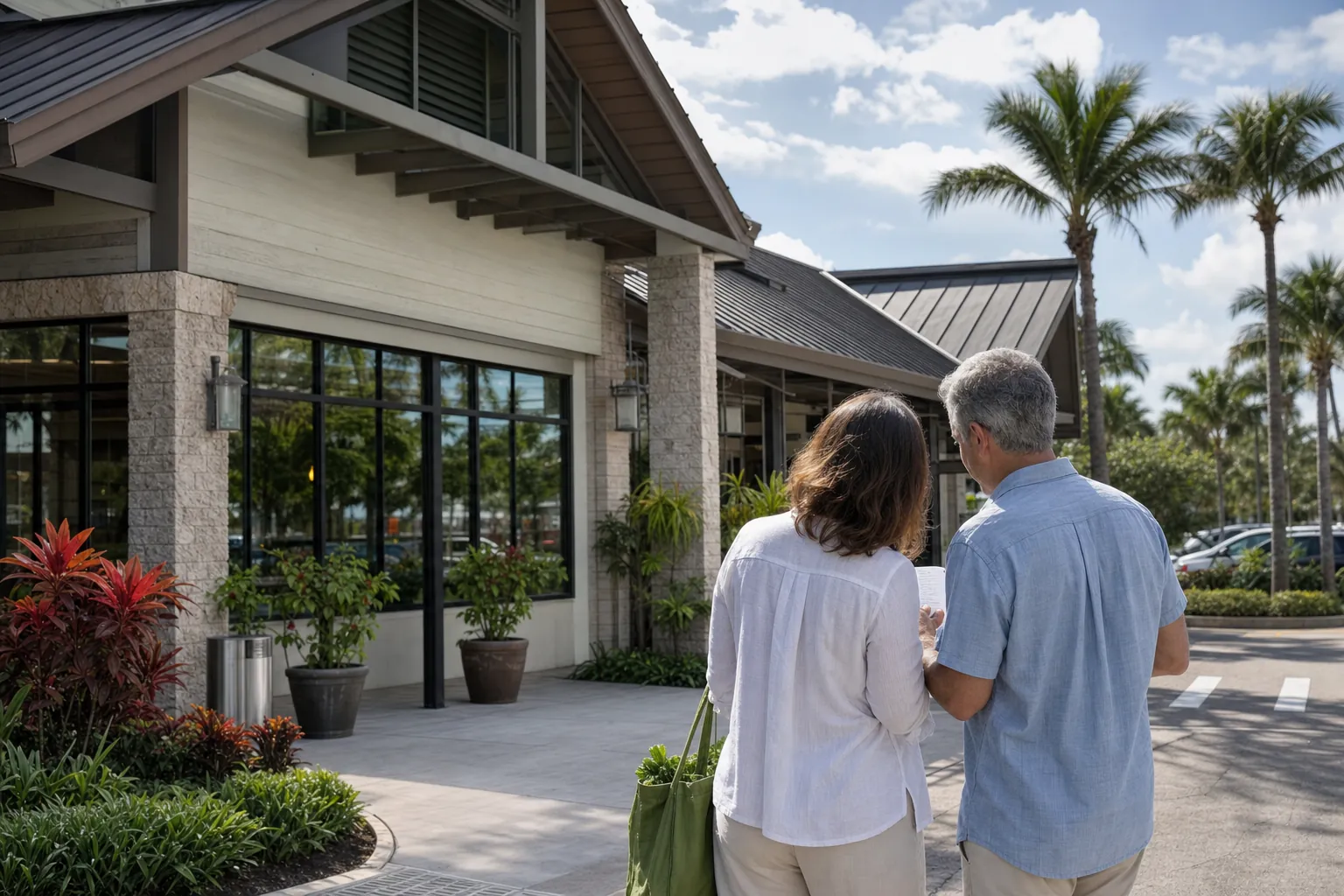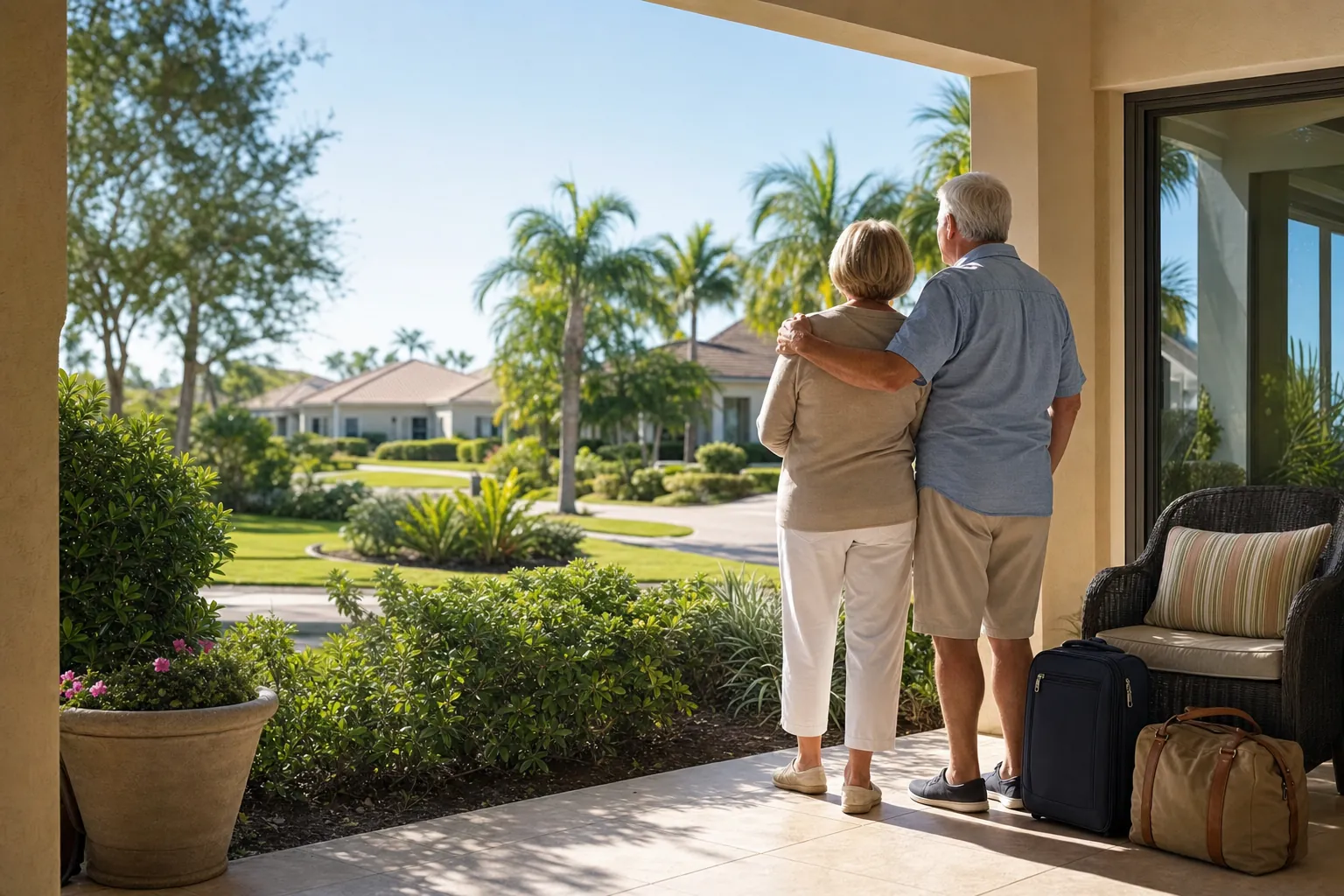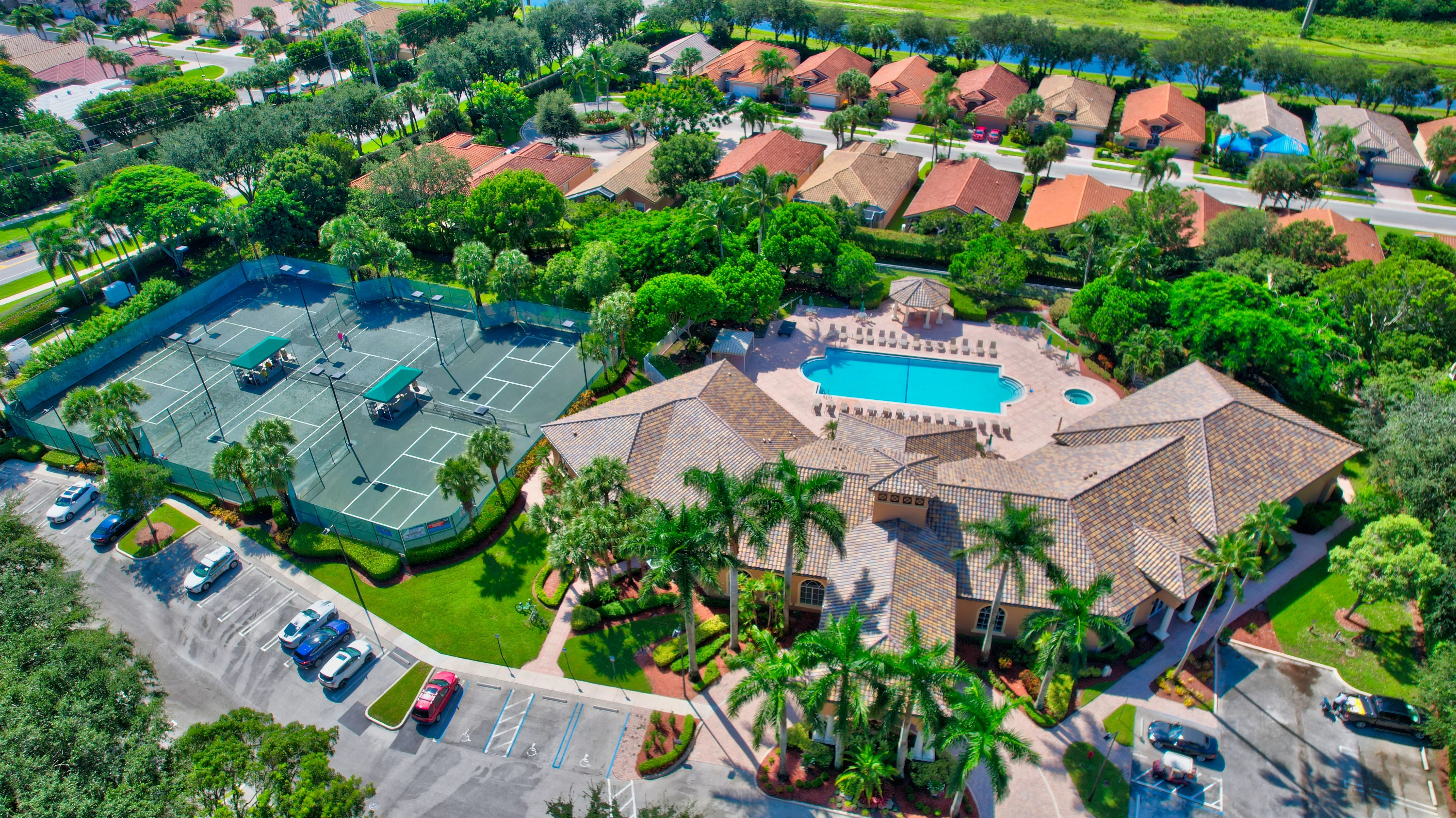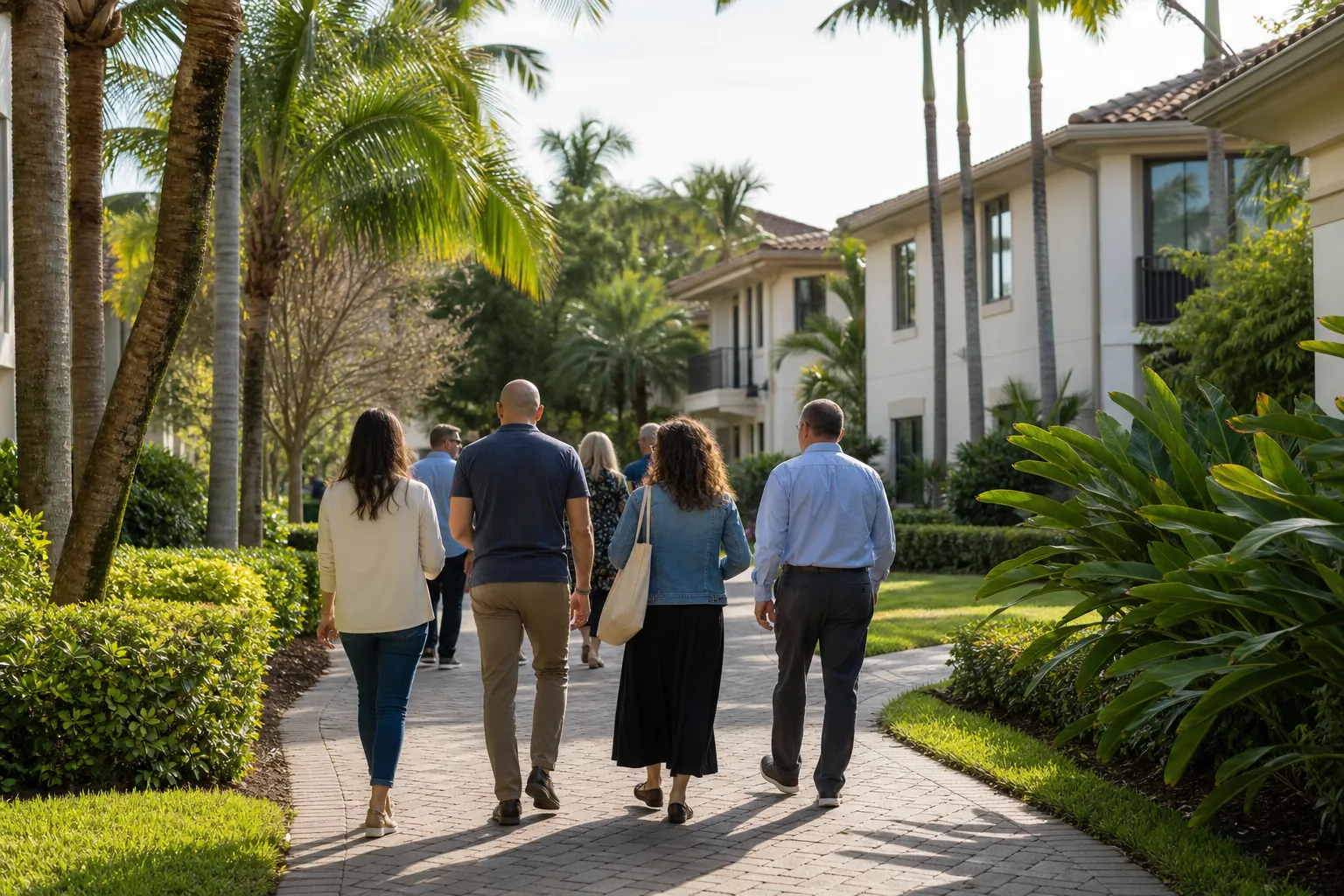
Moving to Boca Raton is often about more than changing an address. For many Jewish individuals and families, the move also raises practical questions about where to meet people, how to find a congregation or learning opportunity that feels comfortable, which programs suit a particular season of life, and how close a home needs to be to the routines that matter most.
Boca Raton and the surrounding South Palm Beach County area offer a broad range of Jewish communal life. The useful first step is not trying to choose everything from a map. It is identifying the kind of connection you want in an ordinary week, then using the locations, travel preferences, and lifestyle priorities you identify when comparing homes. Some people want a nearby Shabbat community. Others want adult learning, cultural programs, fitness, volunteer work, children’s programming, support for an aging parent, or simply a welcoming place to meet people after a move.
This guide is a starting point, not a ranking or endorsement of any organization. Programs, schedules, membership policies, and service areas can change. Contact each organization directly before relying on a particular offering, and use your own visits and conversations to decide what feels right for you.
1. Begin with a community connector, not a long list of addresses
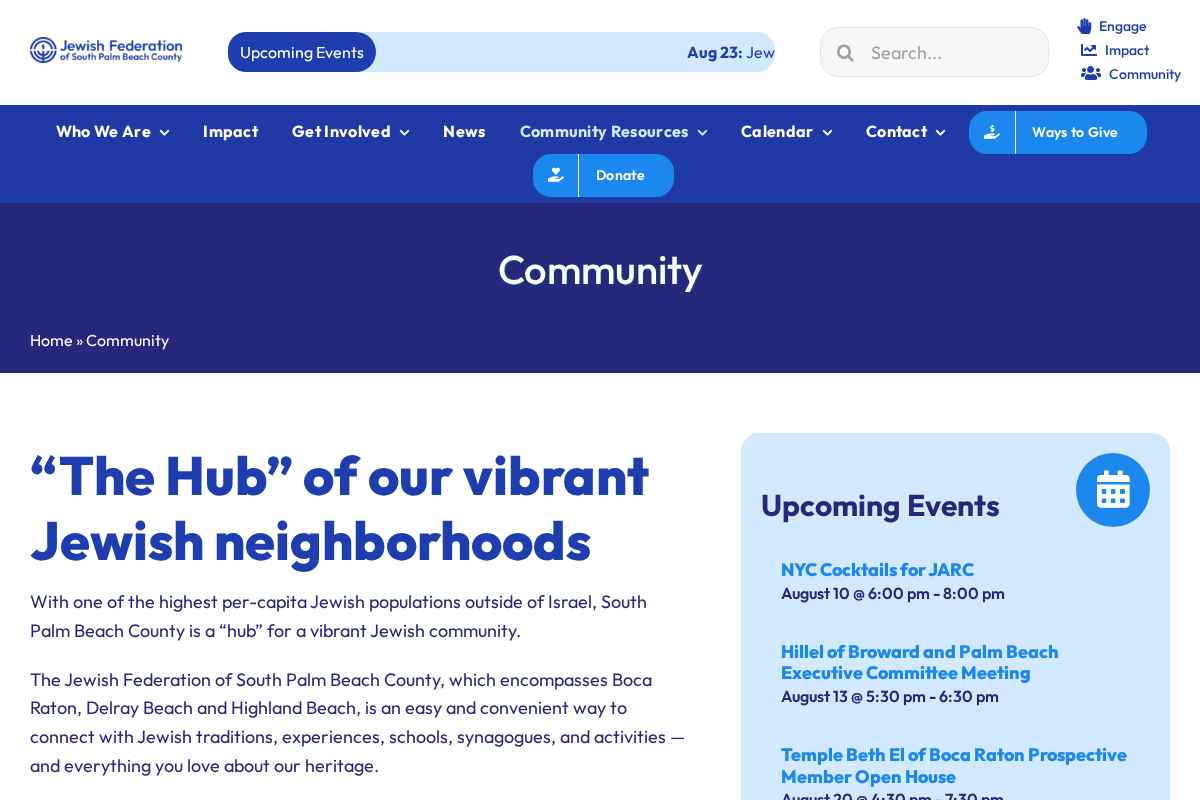
When you are new to an area, it is easy to search one synagogue, school, program, or neighborhood at a time and still miss the larger picture. The Jewish Federation of South Palm Beach County community page is a useful broad starting point because it serves Boca Raton, Delray Beach, and Highland Beach and points visitors toward traditions, experiences, schools, synagogues, activities, and local agencies.
Use that first conversation or directory search to identify the locations and programs you may want to visit. Organizations, campuses, congregations, and community centers are located in Boca Raton, west Boca, Delray Beach, and Highland Beach. Confirm the current address, schedule, and travel time directly with each organization before planning a visit.
This approach keeps location planning factual. Travel time can vary with the route, time of day, and season. Write down the places you expect to use weekly, then check the current driving or walking route before you start comparing homes.
2. Decide what a connected week looks like for you
Before touring, make a simple weekly list: services or learning, fitness or classes, meals with friends, volunteer work, cultural events, medical appointments, grocery shopping, visits with family, and time outdoors. Use current addresses and travel times to plan visits to the places on your list.
For some households, the priority is being near a particular congregation or school. For others, it is access to a community center, social activities, or a lower-maintenance home that leaves more energy for people and programs. If you are considering a 55+ community, add the community’s own clubs, transportation, guest rules, and activity calendar to the comparison. A welcoming nearby resource still needs to fit with the way you will get there and participate.
It can help to visit at the times you expect to use the area. Drive the route after work, on a weekday morning, or before an evening event. Notice parking, gate access, lighting, walking distance, and how the trip feels when you are not looking at it through the lens of a showing. Paul’s community comparison worksheet gives you a simple place to record these practical differences while you tour.
3. Explore congregations and learning opportunities with an open question
Boca Raton has a range of congregational and Jewish learning options. The best fit is personal, so a thoughtful first call is usually more valuable than a quick assumption about style, schedule, family programming, or membership. Ask what a newcomer can attend, whether there is a welcome program, how adults meet people outside services, and which activities are open to the broader community.
For example, Temple Beth El of Boca Raton describes community groups including Sisterhood, Brotherhood, Parenthood, young-professional programming, circles, and chavurot. The Boca Raton Synagogue community-resources page is another useful planning reference for families looking into local schools and practical community links. Other newcomers may prefer the explanatory services and programs offered by the Boca Raton Jewish Experience or the open-access approach described by the Neshamah Institute.
The point is not to build an exhaustive list from one article. It is to give yourself permission to visit, ask questions, and take time. A congregation can be a source of prayer, learning, family milestones, friendships, volunteer work, and practical introductions. It is worth choosing based on your own comfort, not only the location of a home you happen to like.
4. Look beyond services for wellness, culture, and everyday connection
A community center can be one of the easiest ways to build a routine after a move because it offers structured reasons to return. The Adolph & Rose Levis Jewish Community Center describes programs spanning preschool and family activity, athletics, cultural arts, adult enrichment, and special-needs programming. Its programs and events are open to all, which can make it a practical place to explore even before you decide whether membership is right for you.
For adults and older adults, the JCC’s health and wellness offerings include active-adult fitness options and classes. Check the current schedule, registration requirements, and eligibility for any insurance-supported programs directly with the JCC. The important move-planning question is not simply whether a facility exists. It is whether the classes, location, and timing would become part of your real week.
Cultural events, lectures, fitness, volunteering, and casual social opportunities can also be a gentler way to meet people than trying to force a social calendar in the first month. If you are moving after retirement, a loss, a divorce, a health change, or a long-distance relocation, choose one recurring activity first. A familiar weekly commitment can make the rest of the move feel more manageable.
5. Build support into the plan if the move involves aging, caregiving, or a changing budget
Relocation plans can become more complicated when an older adult is moving, a parent needs more support, or a household is balancing a sale with rent, health needs, or a future care decision. It helps to identify support resources early, before a deadline makes every conversation feel urgent. A real-estate decision and a care decision are related, but they are not the same decision.
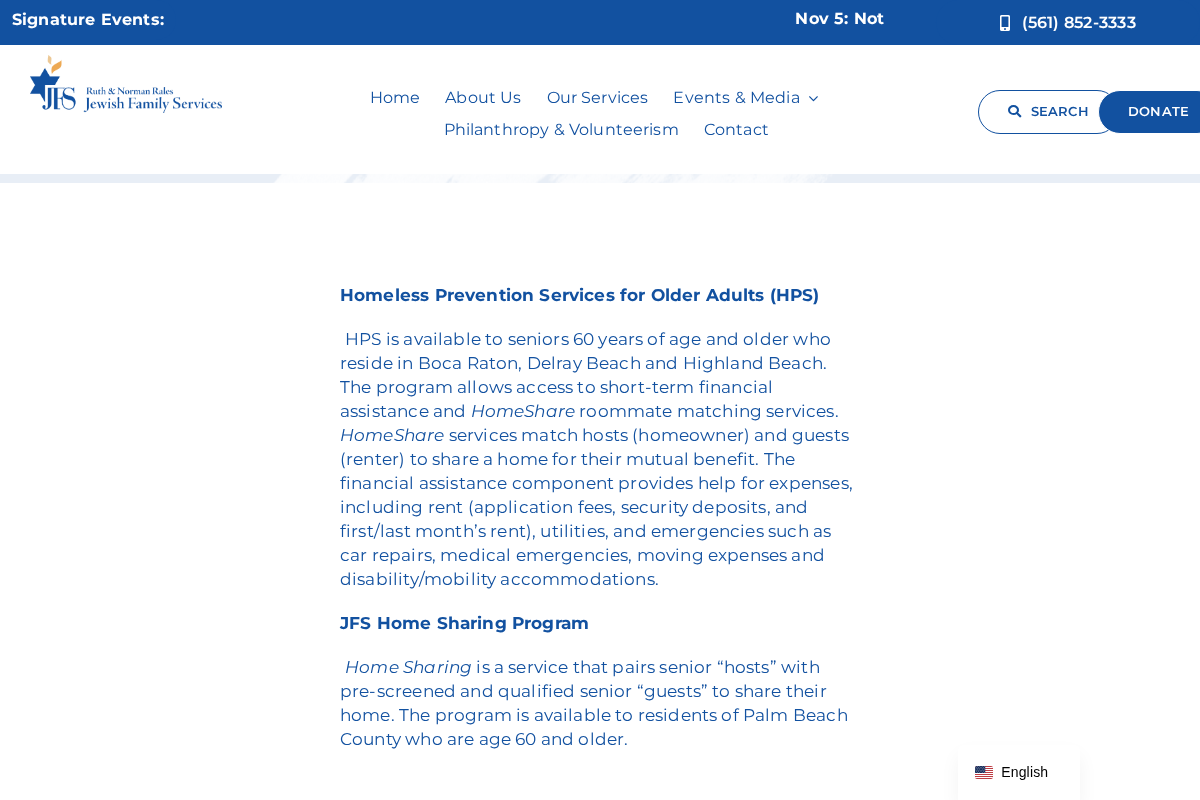
Ruth & Norman Rales Jewish Family Services offers housing assistance and HomeShare information for eligible older adults, including service information for Boca Raton, Delray Beach, and Highland Beach. Its Meals on Wheels program describes kosher meal delivery for eligible residents in those areas. Availability, eligibility, and costs should always be confirmed directly with the organization.
For people evaluating a continuing-care setting, Sinai Residences of Boca Raton describes itself as a not-for-profit continuing care retirement community affiliated with the Jewish Federation of South Palm Beach County and welcoming people of all beliefs and cultures. It is one option to research, not a substitute for comparing care levels, contracts, finances, location, and personal preferences with qualified professionals and family members.
6. Tour homes with community access in mind
Once you have a short list of resources and routines, bring them into the home search. Ask yourself what the drive feels like, whether guests can visit easily, how a community handles parking, and whether the home’s layout works for holidays, Shabbat dinners, overnight family, hobbies, or a future caregiver. A beautiful home is not automatically the right base for the life you want to build around it.
For a 55+ condominium or villa, review the association rules with the same care you give the location. Guest stays, parking, rental policies, move-in procedures, elevator reservations, pets, and common-area access can affect family visits and day-to-day flexibility. Use the plain-language 55+ community glossary to translate common association terms, then ask for the exact rules and documents for the address you are considering.
Think about the home itself as a gathering place. A second bedroom, a flexible den, a ground-floor layout, accessible bathrooms, a screened patio, or a kitchen that works for a shared meal can matter more over time than a feature that looked impressive during a short showing. If a family member will visit often or may need to stay for several days, test the storage, sleeping, parking, and bathroom arrangement before you fall in love with the finishes.
If you are selling before buying, map the two decisions together. You may need time for preparation, marketing, a buyer’s inspection, association documents, a new-home application, movers, and an adjustment period. Paul’s 55+ moving checklist can help you keep the practical work visible while you are also building the social and family side of the move.
7. Use a simple first-month plan after you arrive
The first month does not need to solve your entire social life. Pick a few low-pressure actions: subscribe to one local calendar, attend one event, introduce yourself to one community connector, visit one congregation or class, and choose one recurring activity. Keep the plan small enough that it leaves room for unpacking, appointments, new-home tasks, and rest.
For families, add school or youth-program questions to the list early because enrollment, applications, transportation, and schedules can influence the home search. For retirees and empty nesters, focus on the routines that create regular contact: a class, walking group, volunteer commitment, cultural program, or weekly meal with friends. The right community fit is usually built through repetition, not a single introduction.
It is also reasonable to let the plan change after you arrive. A resource that seemed essential from out of state may be less important once you learn the traffic pattern, meet neighbors, or find a more convenient program. Keep the first few months flexible. The best location is not the one with the longest list of nearby names. It is the one that makes it easier to show up for the people, activities, and support that become part of your life.
Keep notes after each visit. What felt welcoming? What was inconvenient? Did the drive feel easy? Did you meet someone you would be glad to see again? Those are practical data points, not minor impressions. They can be as useful as a home’s square footage when you are deciding which Boca Raton area will best support the next chapter of your life and your daily routines.
How Paul helps people plan a Boca Raton move
Paul helps people compare homes, 55+ communities, and the practical routines behind a South Florida move. That includes talking through location, home type, association questions, guest and family needs, selling timing, and the places you want to reach easily once you are settled.
If you are planning a move to Boca Raton and want to compare a few locations or 55+ communities, talk with Paul. The goal is a home that works not only on move-in day, but for the connections and routines that will matter afterward.
Frequently asked questions
What is a good first call for someone moving to Boca Raton and looking for Jewish community resources?
The Jewish Federation of South Palm Beach County is a useful broad starting point because it connects Boca Raton, Delray Beach, and Highland Beach resources. From there, contact the organizations that match your interests, life stage, location, and preferred kind of involvement. Confirm current programs, schedules, and newcomer options directly.
Should I choose a Boca Raton home based on a synagogue or community center nearby?
Location can be an important part of the decision, but it should be one part of a fuller comparison. Consider the home, maintenance, association rules, budget, driving or walking routine, family visits, and the resources you expect to use regularly. Visit the route at the times you would actually travel it before deciding.
Are Jewish community programs in Boca Raton only for members?
Policies vary by organization and program. Some services, events, and classes are open to the wider public, while others require registration, membership, eligibility, or advance reservations. Contact the organization directly for the current details before making plans around a particular offering.
What should an older adult consider before moving to Boca Raton?
In addition to the home and monthly cost, consider nearby health care, transportation, social routine, support services, home layout, family access, and whether a 55+ community or continuing-care option fits your needs. Build time into the plan to compare services, association rules, and the exact location before committing.
These resources are provided for general relocation information. Paul provides equal professional service and helps clients evaluate homes using the location, property, and lifestyle criteria they identify.
Housing services are provided without regard to race, color, religion, sex, disability, familial status, national origin, or any other characteristic protected by applicable law. Community and religious resources are provided for general informational purposes only and are not recommendations regarding where any person should live.
Written and reviewed by Paul Saperstein, Broker Associate, SRES® | eXp Realty LLC: Last reviewed August 2026.