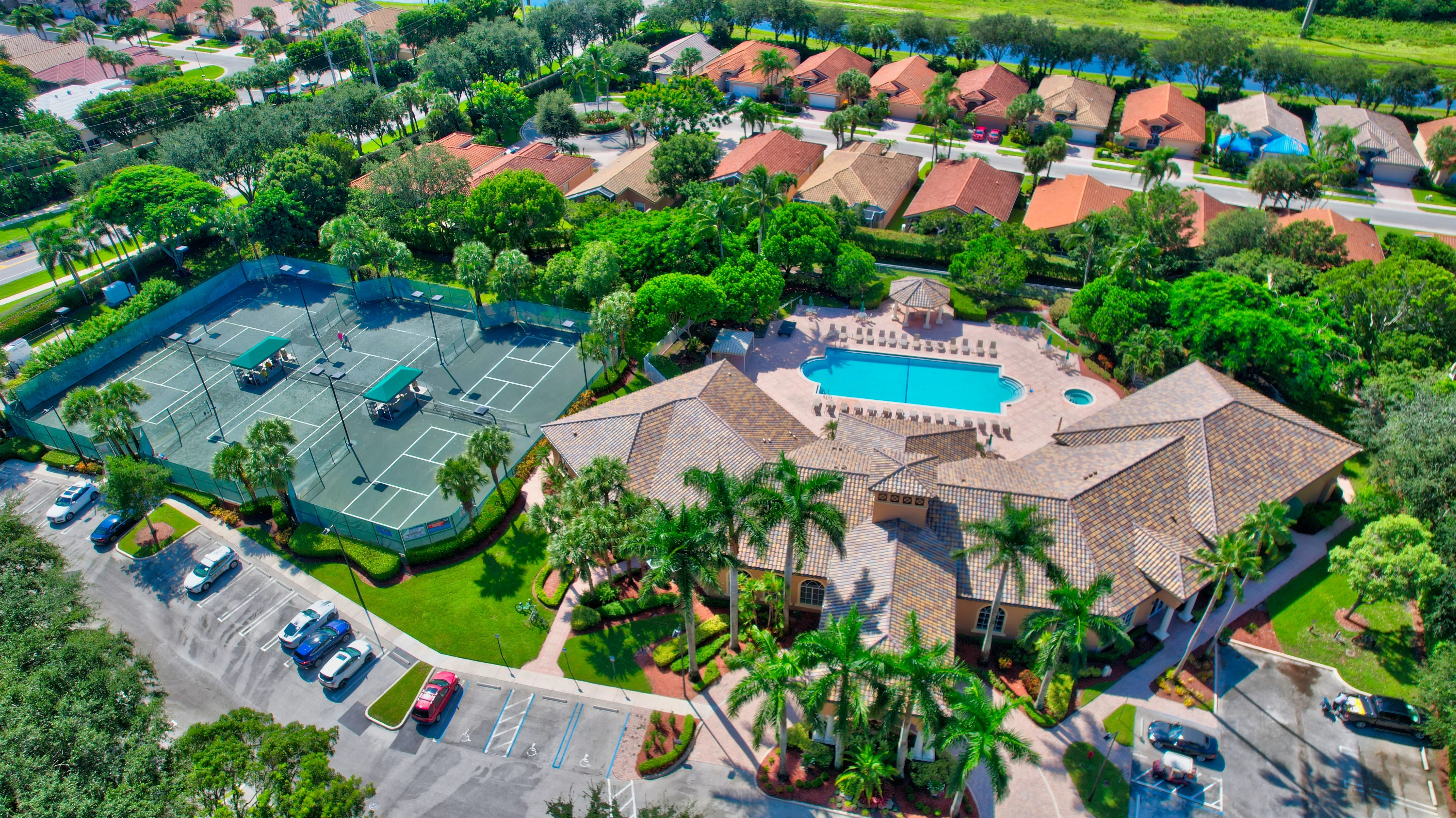
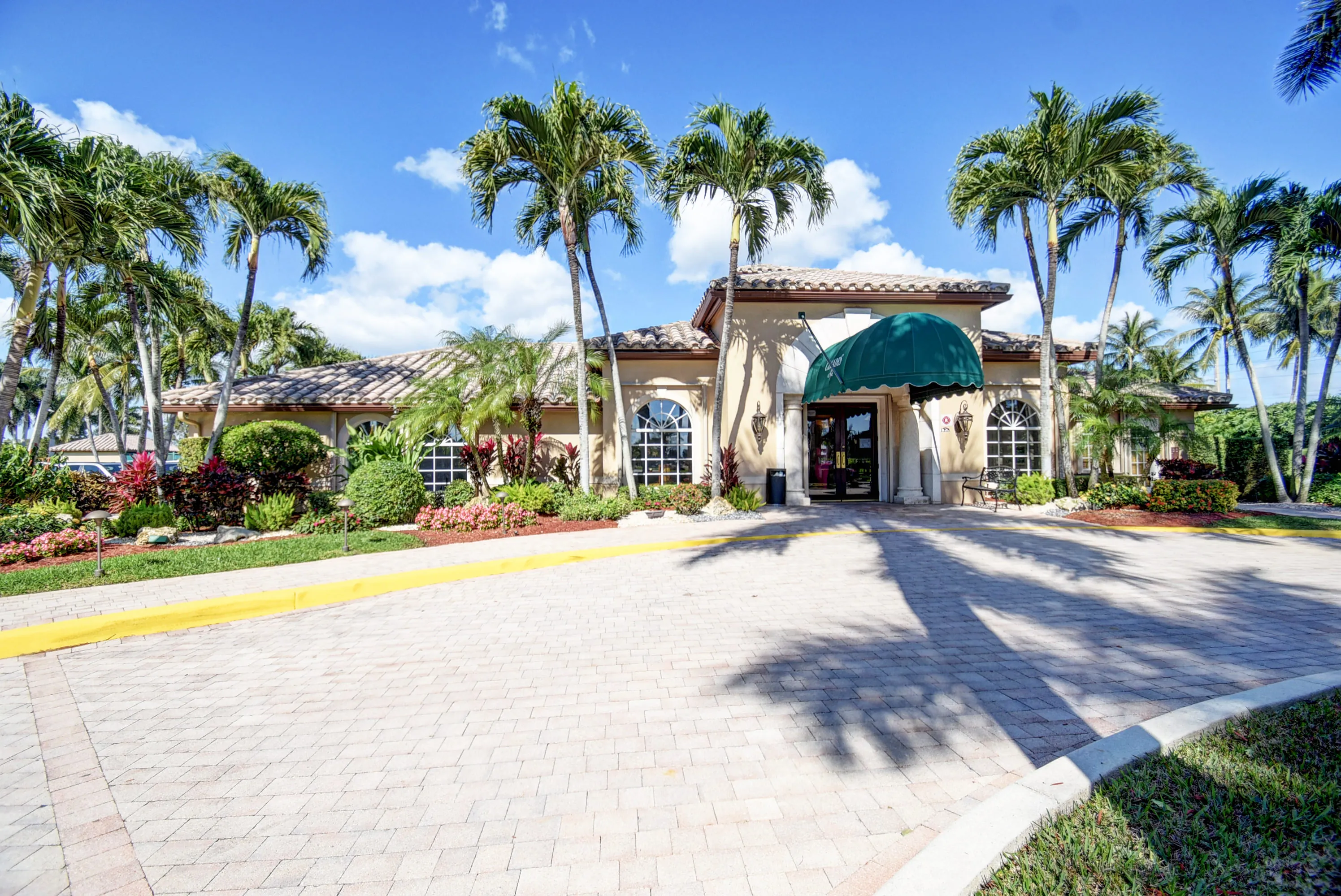
An active adult community is a residential neighborhood designed around independent living, lower-maintenance home choices, and shared lifestyle amenities. You may also hear it called an active-lifestyle, age-qualified, or 55+ community. The label is useful, but it is not a complete description of the home, the association, or the day-to-day experience.
In South Florida, an active-adult community can mean a detached house, villa, townhome, or condominium. One community may focus on a large clubhouse and recreation calendar. Another may be quieter, with modest common areas and a simpler association. The right fit depends less on the label than on how the exact home, rules, costs, location, and routines work together.
This guide explains what active-adult living usually means, what it does not promise, and how to compare communities before a favorite kitchen, view, or amenity package makes the decision feel urgent.
Active adult means independent living, not a care plan
An active-adult community is generally built for people who want to live independently in their own home while having access to neighbors, amenities, and a setting designed for adult households. It is not automatically independent living with services, assisted living, memory care, or a nursing facility. Those categories have different housing arrangements, staffing, services, and costs.
That distinction matters when a move is connected to future support needs. Florida describes an assisted living facility as a setting that provides personal care services in a home-like environment. An active-adult neighborhood may be near doctors, shopping, family, or outside care providers, but it does not itself promise meals, medication help, transportation, or personal assistance. The Florida Agency for Health Care Administration’s assisted-living guidance is a useful starting point when care services are part of the decision.
A buyer can absolutely choose an active-adult home because it feels easier to manage, has a one-story layout, or supports a more social routine. Just make sure the home works for the needs you have today, and that any future care question has its own realistic plan.
Many active-adult communities are 55+, but confirm the exact rule
“Active adult” describes a lifestyle. “55+” describes an age-qualified housing framework. The two often overlap, but they are not interchangeable. Some communities market to adults who want a lower-maintenance lifestyle without imposing an age restriction. Others operate under rules for housing for older persons and have specific occupancy requirements.
For a qualifying 55+ community, the federal framework generally requires at least 80 percent of occupied units to have at least one resident who is 55 or older, along with policies and procedures showing an intent to operate as housing for older persons. The current federal rule explains the broad standard. It does not answer every question for a specific address.
Ask for the current written policy before you rely on a casual answer about a younger spouse, adult child, caregiver, long-term guest, tenant, or grandchild visit. Paul’s guide to who can live in a 55+ community explains why the association’s current documents matter more than a general description.
The same caution applies to a community described as “adult,” “active lifestyle,” or “retirement.” Those words are useful shorthand, not a contract term. Before you schedule a move, confirm who may occupy the home, how long approval usually takes, and whether the rules change for a purchase, lease, caregiver, or extended family stay.

The home type changes the ownership experience
An active-adult community is not one property type. A detached single-family home can offer a garage, private outdoor space, and more control, while leaving the owner with more exterior responsibility. A villa may offer a middle ground, but the association’s responsibilities for the roof, paint, landscaping, irrigation, or insurance can vary. A condominium can reduce exterior upkeep while adding building, reserve, insurance, approval, and assessment questions.
Do not compare communities only by price per square foot or the monthly association payment. Compare what you actually own, what the association maintains, what the fee includes, and which expenses still belong to you. Paul’s Florida condo buying checklist is especially useful when a condominium is one of the options.
The goal is not to decide that one home type is always better. It is to make sure the practical responsibilities match the life you want. A smaller condo may be perfect for someone who wants a lock-and-leave routine. A detached home may be better for someone who values a driveway, a garden, or room for regular visitors.
Amenities should earn their place in the budget
Pool, fitness, tennis, pickleball, walking paths, card rooms, classes, a café, social clubs, and a full clubhouse can make a community more enjoyable. They are worth more when they support the way you already expect to spend an ordinary week. A beautiful facility that is difficult to reach, rarely used, or too expensive to carry is not automatically a benefit.
Visit at a time when residents are using the spaces. Walk from the home to the pool or fitness room. Notice parking, guest entry, shade, seating, accessibility, reservation rules, and the condition of the equipment. Ask what the association fee includes, whether there are separate recreation, club, transfer, or capital charges, and how the amenities are maintained.
Paul’s active-adult amenities guide offers a practical scorecard for comparing shared spaces alongside the home itself. A strong community should work on an ordinary Tuesday, not only during a polished tour.

The association is part of the purchase
When you buy in an association-governed community, you are buying more than the house or unit. You are also joining the rules, budget, insurance structure, maintenance plan, approval process, and decisions that affect the property. Request the current declaration, bylaws, rules, budget, recent financial statements, reserve information, insurance summary, board minutes, application package, and notices about assessments or major work.
This review is especially important in communities with multiple associations. A familiar community name may cover separate condominium buildings, villa sections, or master-association layers, each with its own charges and obligations. The documents for the exact address are the documents that matter.
Use the 55+ association-fee tracker to keep the answers in one place. Write down what each fee covers, what work is planned, the current approval timeline, rental limits, pet rules, insurance responsibilities, and any open questions. A clear side-by-side comparison is far more useful than trying to remember details after several tours.
Pay attention to how the association communicates as well. Board minutes and current notices can show whether routine maintenance, insurance changes, roof work, drainage, landscaping, gates, or amenity repairs are being discussed openly. You are not looking for a community with no decisions ahead. You are looking for enough current information to understand the decisions, their likely timing, and how the association expects to handle them.
Build the full monthly picture
A lower list price or lower association fee does not automatically mean a lower-cost home. Include the association payment, property taxes, homeowners or condo insurance, utilities, maintenance you will still handle, financing costs, and any club, recreation, capital, initiation, or transfer charges. If you are considering a condominium, also ask about reserves, insurance deductibles, building work, and assessments.
Use the current owner’s costs as context, not a promise. Taxes and insurance can change after a purchase. So can association budgets and fees. Before an offer, match your questions against the current documents and speak with the professionals who can advise on your specific transaction.
If downsizing is part of the move, compare the full picture against the cost of staying where you are. Paul’s downsizing cost comparison can help separate sale proceeds, moving costs, ongoing ownership, and everyday convenience.
It also helps to leave room for a change in the first year. A move can bring furniture, window treatments, painting, appliance replacement, small accessibility improvements, moving services, or travel expenses that do not show up in the list price. A realistic reserve makes it easier to choose a home for the long term instead of stretching to win one particular address.

Tour for the life you will actually live
A community can look very different on a quiet weekday morning than it does during an event, after work, or in season. Visit more than once if possible. Drive the route to groceries, doctors, favorite restaurants, family, and the airport. Check the distance from the exact home to the gate, mailbox, trash area, pool, clubhouse, and guest parking.
Think through the routines that will matter after closing. Do you want a guest room, a patio, a garage, a place for a hobby, a quieter street, or neighbors within walking distance? Are you comfortable with the stairs, shower layout, parking, and storage? Do the rules fit your pets, visitors, vehicle, travel plans, and possible rental plans?
Bring a written list to every tour. The 55+ community touring checklist helps buyers evaluate the home, association, and shared spaces together rather than letting one appealing feature carry the whole decision.
When two communities make the shortlist, return to the exact homes rather than comparing brochures. A better view, closer parking, easier entry, quieter location, more practical storage, or a simpler route to the spaces you use can matter more than a longer amenity list. The best choice is usually the one that asks the fewest compromises of your normal routine.
How Paul helps buyers compare active-adult communities
Paul helps buyers compare the details that sit behind an attractive community name: home type, daily location, association structure, recurring costs, rules, approval steps, current documents, and the amenities that will genuinely support the life they want. That local comparison is useful when two communities both feel appealing but solve different problems.
A useful first conversation can turn a long list into a manageable tour plan. It gives each community a job to do in the comparison, whether that is detached-home privacy, simpler exterior maintenance, more social activity, closer access to family, or a lower monthly commitment.
If you are narrowing a South Florida shortlist, use Paul’s community match tool to organize the lifestyle and home features that matter most. When you are ready to discuss a few communities or addresses, contact Paul for practical local guidance before you commit to a specific home.
Frequently asked questions
What is an active adult community?
An active adult community is a residential neighborhood designed for independent adults who want a lower-maintenance home choice, shared amenities, and a community setting. It may be age-qualified, but the exact age and occupancy requirements vary by community.
Is an active adult community the same as a 55+ community?
Often, but not always. “Active adult” usually describes the lifestyle, while “55+” refers to an age-qualified housing framework. Confirm the written age and occupancy rules for the specific community and address before making plans around a move.
Do active adult communities provide care services?
Usually no. Active-adult communities are generally designed for independent living and do not automatically provide meals, medication management, transportation, or personal care. Evaluate assisted living or other service options separately if regular support is important to your household.
What should I compare before buying in an active adult community?
Compare the exact home type, association documents, monthly ownership costs, insurance responsibilities, rules, approval timeline, location, condition of the amenities, guest access, and the routines you expect to have after moving. The community name alone does not answer those questions.
Written and reviewed by Paul Saperstein, Broker Associate, SRES® | eXp Realty LLC: Last reviewed September 2026.