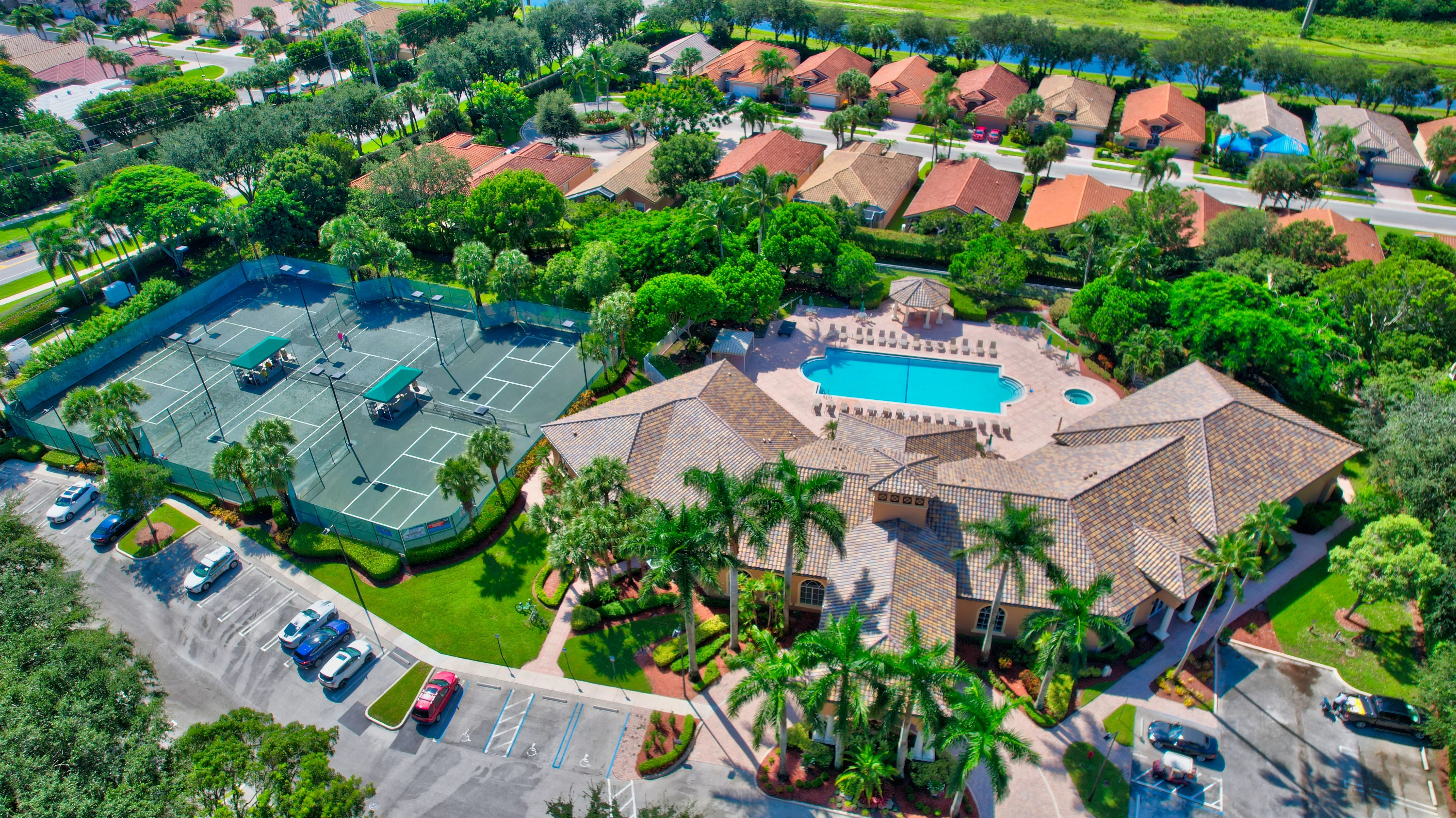
A search for 55+ communities in Boynton Beach can become overwhelming fast. One listing may be a detached home in a large, amenity-rich community. The next may be a villa with different exterior responsibilities. Another may be a condominium where the building, reserves, insurance, and approval process matter as much as the floor plan. They may all share a Boynton Beach address, but they are not interchangeable decisions.
The useful first step is not to find a single “best” community. It is to define the version of daily life that fits you, then compare homes that support it. Start with the kind of home you want to maintain, the activities you would genuinely use, the travel time you will accept for routine errands and people you see often, and the monthly ownership picture you can live with comfortably. From there, a short list becomes far more useful than a long collection of listing tabs.
Boynton Beach gives buyers meaningful range, from established condominiums and villas to detached homes, country-club settings, and newer active-adult communities. That range is the advantage. It also makes careful comparison essential. The Boynton Beach community guide is a good starting point for the available communities; this article explains how to narrow that list before a particular kitchen, lake view, or asking price makes the choice feel decided too soon.
Start with your ordinary week, not the entrance monument
An impressive entry, full activity calendar, or resort-style pool can be a real benefit. None of those details tells you whether the community will make your normal routine easier. Picture a Tuesday morning, an evening when family visits, a summer week when fewer seasonal residents are present, and a day when you need groceries, a doctor, the airport, or simply a quiet walk. Those moments reveal more about fit than a single polished tour.
Make a short list of the things you expect to use regularly. That may include a fitness room, pool, pickleball or tennis, cards, classes, a café, walking paths, a garage, a private patio, guest parking, or a low-maintenance lock-and-leave arrangement. Then separate “must have” from “nice to have.” A buyer who will play pickleball three times a week should verify the current court access, scheduling, and community culture. A buyer who expects frequent guests should look at bedroom count, parking, gate access, and guest-stay rules early.
Visit promising communities more than once if you can. Drive the route you would actually use, not only the route from the showing. Notice the entry at busy times, the condition of common areas, the distance between a potential home and the amenities, and whether the streets, sidewalks, lighting, and pace feel right. A community can be lively without being a match for every household, and a quieter community can be exactly right for a buyer who values a home base over a full social calendar.
This is why community names alone do not settle the decision. A broad comparison of Valencia communities, a country-club setting such as Aberdeen Country Club, and established detached-home choices such as The Cascades can clarify the lifestyle differences before you begin comparing individual properties.

Choose the ownership style before comparing prices
The home type often determines the questions that matter most. A single-family home can offer a driveway, garage, privacy, yard, and room for guests or hobbies. It can also put more of the roof, exterior, systems, insurance, storm preparation, and upkeep on the owner. A villa may provide a middle ground, but the precise association determines which exterior items it handles and which remain yours. A condominium can simplify some exterior maintenance while adding building, reserve, insurance, and approval questions that deserve close attention.
For each property, write down what the recurring fee includes and what it does not. Landscaping, exterior maintenance, roofs, building insurance, water, cable, internet, security, recreation, reserves, and master-association charges are handled differently across Boynton Beach communities. A lower fee can be a good value. It can also mean that costs are being carried separately by the homeowner. A higher fee can cover useful services, or it can require closer examination of the budget and current projects. The number only means something when you know the coverage behind it.
This is especially important in larger communities with multiple associations or several housing styles. A condo, coach home, villa, and detached home with the same community name may have different maintenance duties, approval procedures, insurance responsibilities, and resale considerations. For example, Coral Lakes has varied residence types and separate association decisions. Compare the exact address and association, not a broad description from a listing.
Once the ownership style is clear, use the site’s association-fee tracker and community comparison worksheet to keep the homes on one page. A consistent comparison is more reliable than trying to remember which monthly number belonged to which showing.
Before you make an offer, ask what can change after closing and who carries that responsibility. A fee can change, an insurance renewal can change, a roof or system can reach the end of its useful life, and a community can adopt rules or projects under its governing process. Those possibilities are not a reason to avoid every association-governed home. They are the reason to include a sensible ownership cushion and to let the written records guide the decision. A home is a better fit when its ongoing responsibilities feel manageable even after the excitement of the purchase has passed.

Treat the association as part of the home
In an association-governed community, you are not only buying the residence. You are also buying into the budget, rules, insurance structure, reserves, maintenance responsibilities, approval process, and the decisions currently being discussed by that association. Ask for the current governing documents, rules, budget, recent financial information, insurance summary, meeting minutes, application package, and notices about assessments or planned work. The exact document list varies, but the point is constant: the current records for the actual address matter more than a general promise that the community is well run.
Read beyond the monthly assessment. Look for what the documents say about current fees, reserve funding, projects, contractor work, insurance deductibles, approvals, pets, parking, vehicles, rentals, guest stays, and architectural changes. If a policy matters to the way you expect to live, confirm it in the current written material rather than relying on an informal answer at a showing. Larger communities may have a master association plus a neighborhood or condominium association, which is another reason to identify every layer of the ownership structure early.
For condominium buyers, the state’s Florida condominium information and resource guidance explains the importance of association records, budgets, reserves, and financial information. It is useful background, not a substitute for the records of the exact building and association. Florida’s inspection guidance also explains why building condition and reserve planning are connected for applicable condominium properties.
The goal is not to assume that an older community has a problem or that a newer community has none. It is to understand the current obligations before you write an offer. The site’s Florida condo-buying checklist and special-assessment guide can help you organize that review when a condominium is on your short list.

Compare the complete monthly picture
An asking price is only the opening number. Build a simple monthly and annual ownership estimate for each finalist: association and master-association charges, property taxes, insurance, utilities, expected interior upkeep, any club or recreation charges, financing costs when relevant, and a reasonable cushion for changes. Then add known one-time items, such as a capital contribution, transfer fee, application fee, inspection, or an announced assessment. This does not replace advice from your lender, insurer, closing professional, accountant, or attorney. It gives you a clearer set of questions before your decision depends on a single attractive feature.
Property taxes deserve address-specific attention. The current owner’s bill can be a useful reference, but it is not a promise of the bill after a sale. The Palm Beach County Property Appraiser’s residential information includes an estimate tool based on a purchase price and whether the owner intends to homestead the property. Use it as a starting point, then verify the transaction-specific picture with the appropriate professionals.
For detached homes, also compare roof age and responsibility, storm protection, air conditioning, water heater, electrical, plumbing, pool or spa equipment, irrigation, landscaping, outdoor living, and any improvements that need permits or records. For condos and villas, ask where the association’s responsibility ends and the owner’s begins. Two homes with similar list prices can have very different first-year cash needs.
A useful short list is usually smaller after this step, and that is progress. The best home is not the one with the lowest purchase price or fee in isolation. It is the one whose home, association, lifestyle, and ownership cost all support your plans.
Tour in layers so a good showing does not hide an important difference
A productive first tour answers a simple question: does this community deserve a closer look? Keep that first visit focused on the daily setting. Walk from the driveway or parking space to the front door. Notice steps, sidewalks, lighting, mailboxes, guest parking, gate access, and the route to the amenities you expect to use. If a home is a condo, include the elevator, stairs, hallway, storage, laundry arrangement, and the path from the unit to the car. If it is detached, include the yard, drainage, roofline, outdoor space, and the systems you will be responsible for after closing.
A second visit is where comparison becomes more disciplined. Return at a different time of day. Drive to the grocery store, pharmacy, medical appointments, places of worship, restaurants, and friends or family who will be part of your routine. A location that looks central on a map can feel very different when you make the actual trips. For seasonal buyers, a visit during the part of the year when you expect to use the home most can also give a truer sense of traffic, activity, parking, and the community rhythm.
During the home tour, look past surface updates. Ask about roof responsibility and age, windows and storm protection, air conditioning, water heater, electrical panel, plumbing, permits for major work, pool or spa equipment, and any water intrusion or repair history. These are not reasons to diagnose a property yourself. They are reasons to ask better questions and to plan the appropriate inspections. A home that is beautifully staged can still need a careful systems review, while a home with dated finishes may be the stronger ownership decision when its major components and documents are well understood.
Use the same written tour notes for every finalist. A consistent record makes it easier to compare the homes after the first impression fades. The buyer’s road map shows where the showing, inspection, association review, insurance, financing, and closing questions fit together. It is much easier to make a confident choice when those steps are planned rather than handled in a rush.
Give the approval and move timeline the attention it deserves
The right community can still be the wrong fit if the approval process does not work with your timing. Associations may require an application, identification, age verification, background or credit review, interview, orientation, deposits, proof of insurance, or board review. Some buildings and communities also have move-in windows, elevator reservations, contractor rules, parking instructions, or limits on delivery access. Ask for the current process and calendar as soon as a home becomes a serious possibility.
Start with the practical questions: Who in the household must apply? What documents are required? Is there a current fee or deposit? When does the association consider a complete application? Is approval required before closing, before occupancy, or by a different deadline? What happens if a document is missing? Is a pet registration, vehicle registration, lease restriction, or guest policy relevant to your plans? Get the written current answer for the exact association, because a familiar community name does not guarantee a familiar process.
This is especially valuable for an out-of-state move, a sale-and-purchase sequence, or a household coordinating movers, storage, travel, family help, and a closing date. A realistic contract timeline allows room for the association, lender, insurer, inspection team, and closing professionals to do their work. Trying to force an approval path into an unrealistic date can create unnecessary stress and can make a good home harder to buy well.
Age-qualified communities are residential communities, not a single universal rulebook. Questions about adult children, caregivers, long-term guests, rentals, pets, vehicles, and occupancy should be matched to the actual documents. The site’s guide to age and occupancy questions in 55+ communities is useful background, but the association’s current rules control for the home you are considering.
Avoid the comparisons that create expensive surprises
The most common mistake is comparing homes as if each listing represents the same kind of ownership. A renovated two-bedroom condo, an attached villa, and a detached three-bedroom home may appear in the same online search, yet they can differ dramatically in maintenance, insurance, association structure, guest flexibility, outdoor space, and cash needed after closing. Sort by ownership style first, then compare similar homes within that group. It is more useful to compare two actual alternatives than to compare every home with a similar asking price.
Another mistake is treating an association fee as either automatically good or automatically bad. The better question is what the fee buys, what it does not buy, and whether the budget, reserves, insurance, and current projects support the number. Do not let a lower fee end the conversation. Ask whether it leaves roof work, exterior maintenance, insurance, utilities, or future projects outside the displayed amount. Do not let a higher fee end the conversation either. It may include services and funding that make the ownership picture more predictable.
Finally, do not assume that newer is always safer or that established is always riskier. Newer homes can have construction, warranty, completion, or community-buildout questions. Established homes can offer mature landscaping, a settled social calendar, and a track record of how the community functions, while requiring a closer look at roof age, systems, reserves, and maintenance history. The strongest choice is the one that gives you a documented, workable picture of the home and ownership obligations now, not the one that is easiest to describe in a headline.
If flood exposure is relevant to a specific address, begin location research with the FEMA Flood Map Service Center, then discuss the property-specific insurance question with an insurance professional. This is another example of why a community-level impression is useful, but the exact address is the decision.
Use community labels as a starting point, then compare the exact address
Boynton Beach has enough variety that broad labels can mislead. “Valencia” describes several distinct communities and generations of homes. “Country club” can mean different membership expectations and costs. “Low maintenance” can refer to a condominium, a villa, or a detached home with association services, each with a different responsibility split. “55+” tells you something about the occupancy framework, but it does not tell you the full story on visitor stays, caregivers, pets, leasing, or the approval process.
Use a simple final-comparison sheet for the two or three homes that remain. Put the address, community, residence type, association names, asking price, recurring charges, estimated taxes and insurance, known one-time charges, major systems, required approvals, and open questions in the same order for every property. Add the personal items that can get lost in a spreadsheet: drive time to the people and places you value, natural light, storage, outdoor space, guest comfort, noise, and whether the home feels easy to live in. A clear list makes tradeoffs visible. It also gives your lender, insurer, inspector, and closing team a more organized starting point when the time comes to verify the details.
When a home rises to the top, move from community research to property research. Check the residence type, floor plan, orientation, garage or parking, outdoor space, roof and system history, upgrades, permits where relevant, view, proximity to amenities, and any visible maintenance needs. Then connect those facts to the association documents. A renovated interior can make a property feel ready, but it does not answer whether the fee coverage, insurance, reserves, current projects, and rules are equally workable for you.
Keep the community visit practical. If golf is important, verify membership terms and access directly. If pickleball, tennis, or fitness are priorities, check current facilities and how residents use them. If you are relocating or will be seasonal, ask about storm preparation, vacant-home expectations, package delivery, gate access, vendors, and the move-in process. If relatives visit often, make sure the household and guest rules work for the real pattern of your life.
The 55+ touring checklist can keep these questions in one place, while community-specific guides such as Valencia Reserve, Ponte Vecchio, and Palm Beach Leisureville help you see how very different Boynton Beach choices can be.
How Paul helps buyers make a clear Boynton Beach choice
Paul helps buyers compare the home, community, association, and ownership picture together. That means starting with the lifestyle and home type that fit, identifying the communities worth touring, and making sure the questions for a specific address reach the seller, association, lender, insurer, inspector, or closing professional before a missing answer becomes a late surprise.
If you are weighing a few Boynton Beach 55+ communities, talk with Paul about the practical differences behind the listings. The right next step is not to make every community look risky. It is to make the one that truly fits easier to recognize.
A clear buyer process also protects the time you spend touring. Instead of revisiting homes because a key detail was missed, you can identify the information that changes the decision, request it from the right source, and compare the answers on the same basis. That is particularly valuable when homes move quickly, when several associations are involved, or when a move needs to line up with the sale of another property. The aim is a choice that feels good on the tour and remains workable once the documents, costs, and calendar are in view. It also lets you act with more confidence when the right home appears, because the community criteria and document questions are already clear rather than being invented under pressure. That preparation creates room for a calm, well-documented decision rather than a rushed reaction to a listing deadline, with fewer unanswered questions at closing.
Frequently asked questions
What are the best 55+ communities in Boynton Beach?
There is no single best fit for every buyer. The strongest choice depends on the home type, association structure, lifestyle, location, monthly ownership cost, and rules that match your plans. Compare a few communities using the same checklist before deciding.
Are there single-family 55+ homes in Boynton Beach?
Yes. Boynton Beach has many active-adult communities with detached homes, including several Valencia communities, The Cascades, Cascade Lakes, Ponte Vecchio, Tivoli Lakes, Indian Spring, Aberdeen, and Palm Beach Leisureville. Confirm the exact residence type and association for every address.
What should I compare besides the HOA fee?
Compare what each fee covers, property taxes, insurance, utilities, maintenance responsibility, reserves, assessments, club costs, application or transfer charges, and the condition of the actual home. A fee is only useful when you understand the coverage and obligations behind it.
Can someone under 55 live in a Boynton Beach 55+ community?
Age and occupancy rules differ by association. Some communities allow particular household members, caregivers, or visitors under stated conditions, while others have stricter requirements. Request the current written rules for the exact community and home before relying on an assumption.
What documents should I ask for before buying a 55+ condo or villa?
Request current governing documents, rules, budget, financial information, reserve information, insurance summary, recent meeting minutes, application package, and notices about assessments or projects. The documents for the exact association and address should guide the decision.
Written and reviewed by Paul Saperstein, Broker Associate, SRES® | eXp Realty LLC: Last reviewed October 2026.