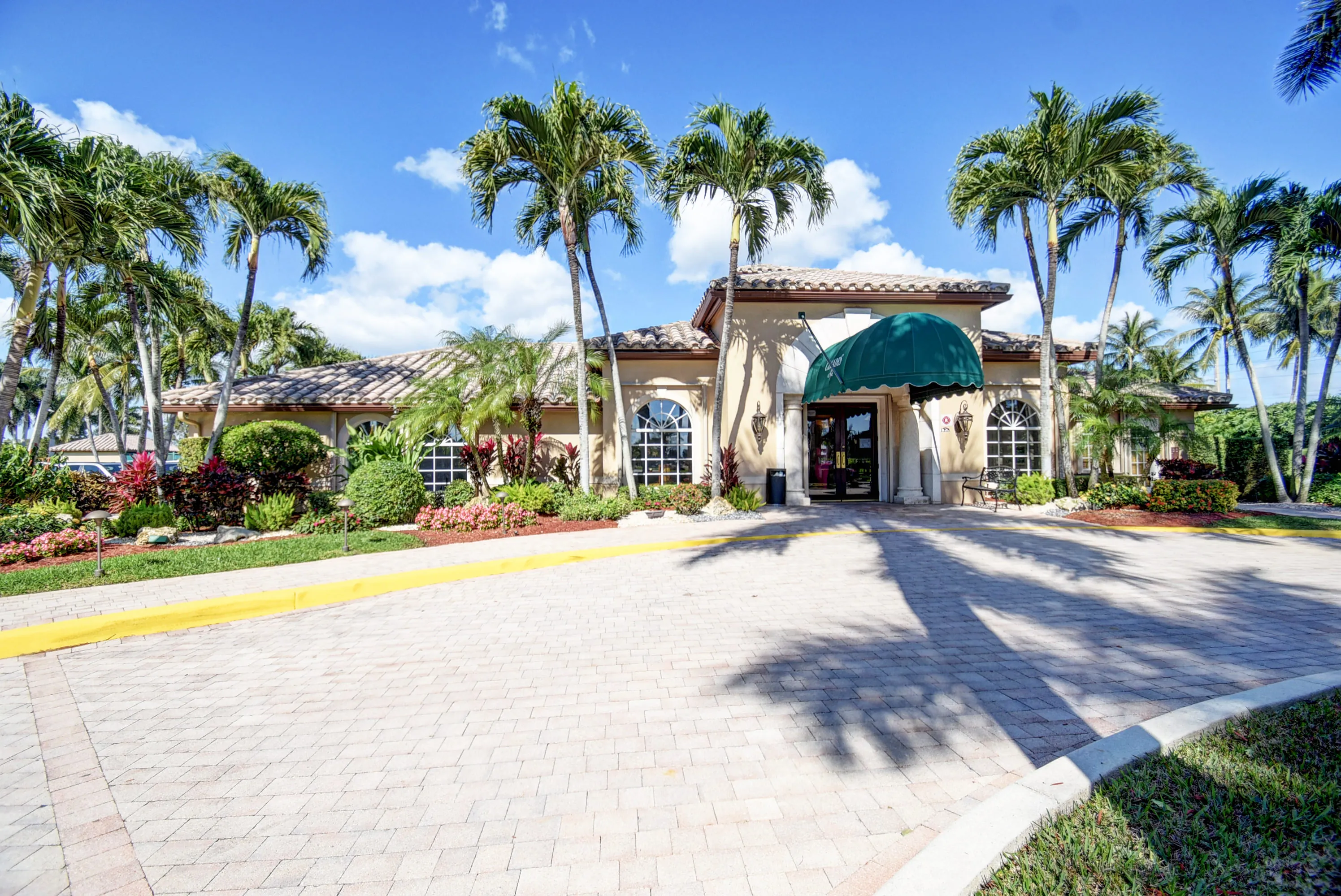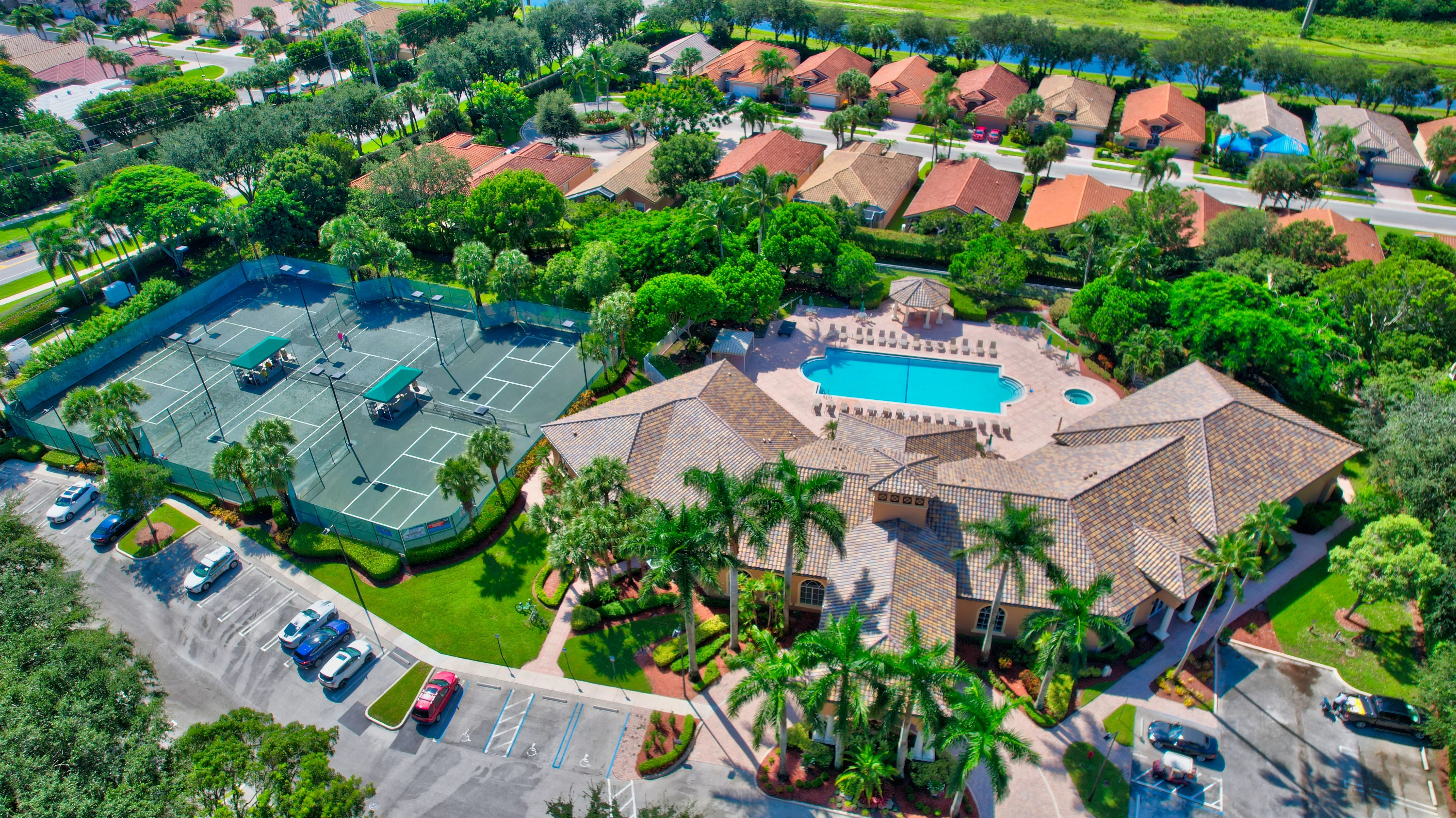
A beautiful clubhouse can make a community feel like an easy choice. A pool is sparkling, the fitness room is new, the courts are busy, and a calendar promises more activities than you could fit into a week. Those features can be genuinely valuable. They can also become an expensive backdrop if they do not change the way you actually want to live.
The useful question is not, “Does this active-adult community have good amenities?” It is, “Would I use these spaces often enough to make this home, this location, and this monthly cost feel better?” That question brings the decision back to your ordinary Tuesday, not the energy of an open-house visit.
For South Florida buyers, amenity packages vary widely. One community may be built around golf, tennis, pickleball, classes, and a large clubhouse. Another may offer a smaller pool, walking paths, and a quieter residential feel. Both can be a strong fit. This guide explains how to compare the spaces, access, costs, and daily routines behind an active-adult community’s amenities before you make an offer.
Start with your week, not the amenity list
A long list of features can make two communities look similar on paper even when the daily experience is very different. Start by naming the routines you want more of. That may be swimming before breakfast, a fitness class a few mornings a week, a place to meet neighbors, tennis after work, a walk with the dog, a card game, or simply a pleasant pool you can use when family visits.
Then name the things you do not care about. A ballroom, billiards room, library, café, theater, or club calendar may be a genuine benefit for another buyer and not matter to you at all. You do not need to use every feature to justify a community. You do need to be honest about which few features would make the home more enjoyable or easier to live in.
Use Paul’s community comparison worksheet to write down those priorities before a tour. Comparing the same personal criteria from one community to the next is more useful than trying to remember which clubhouse felt the most impressive.
See the spaces in use before you give them value
Visit the amenities when residents are likely to use them. A quiet weekday morning, a late afternoon, and a weekend can reveal very different things about parking, court availability, pool seating, noise, staff presence, and the pace of the community. A staged tour or open house is useful, but it rarely shows what it feels like to reserve a court, join a class, or find a chair in season.
Walk the route you would take from the home to the spaces that matter. Notice the distance, shade, sidewalks, crossings, lighting, gates, and whether you would realistically make that trip in summer rain or after dark. A fitness room may look excellent, but it has less practical value if getting there means a long drive or an inconvenient walk from the home you are considering.
Also look for signs of ordinary care. Are furniture, pool areas, restrooms, landscaping, courts, and common hallways well maintained? Are residents using the spaces, or do they feel largely decorative? You are not looking for perfection. You are looking for a community whose shared spaces appear to be actively cared for and suited to the lifestyle being offered.

Match the amenity package to the home type
Amenities should support the home, not distract from a poor fit. A condominium near a clubhouse may make pool time, classes, and social activity convenient, while a detached home with a garage and private outdoor space may matter more to a buyer who values privacy, storage, and an easier arrival home. A villa can sit somewhere between those choices.
Think about the tradeoff in the full ownership picture. A community with a substantial amenity program may have higher recurring costs, club charges, or more complex association responsibilities. That does not make it a poor value. It means the fee needs to be compared with what it covers, what remains your responsibility, and which spaces you will genuinely use.
Paul’s 55+ single-family home guide can help buyers who want a more private home base, while the Florida condo-buying checklist is useful when the association and building are a larger part of the decision. The better choice is the one where the home, maintenance responsibilities, and amenity access work together.
Ask what access really means
“Amenities included” can hide important details. Ask whether guests may use the pool, fitness room, courts, or clubhouse. Find out whether reservations are required, whether there are guest fees, and whether some spaces have limited hours, seasonal demand, or separate memberships. If visiting family is a meaningful part of your life, the guest policy deserves the same attention as the kitchen or patio.
For golf, racquet sports, fitness classes, dining, theater events, and clubs, ask how participation works. Is there a separate cost? Is there a waitlist? Are programs led by residents, staff, or outside providers? Can you see a current activity calendar? A brochure can tell you what exists. It cannot tell you how easy it is to use the feature in the way you expect.
This is also a good moment to ask about accessibility and comfort. Look at parking, ramps, elevators, restrooms, seating, pool entries, shade, and the distance between the parking area and the activity spaces. The right amenity is one you will still feel comfortable using regularly, not one that only looks good during a quick visit.
Put the monthly cost beside the lifestyle benefit
An association fee is not automatically high or low because a community has an active clubhouse. A higher monthly fee may include landscaping, security, common insurance, exterior maintenance, cable, internet, reserves, pool care, classes, or recreation facilities. A lower fee may leave more of those costs or responsibilities with the owner. The number only makes sense when you know what is behind it.
For every serious option, list the association fee, taxes, insurance, utilities, club or recreation charges, expected maintenance, and any one-time transfer, capital, or initiation charges. Then write down which amenities and services you would actually use. The site’s 55+ association-fee tracker gives you a simple way to keep those comparisons in one place.
For condominium homes, the association’s records matter as much as the amenities. The Florida condominium association records overview is a useful starting point for the kinds of budgets, insurance information, and official records an association keeps. For the home you are considering, request the current budget, recent financial information, insurance summary, meeting minutes, and notices about work or assessments. Paul’s condo resale-package guide explains how to organize that review.

Separate an active-adult lifestyle from care needs
A 55+ or active-adult community can make day-to-day life more social, manageable, and convenient. It is still residential housing, not a promise of medical care, personal assistance, meals, or transportation. A pool, club calendar, and fitness center may support an active routine, but they do not replace the services someone may need if regular care becomes important.
That distinction is useful because it keeps a buyer from asking one home to solve every future question. Consider whether the entry, hallways, bathrooms, parking, layout, and location would work well if your routines change. Then separately evaluate any care, transportation, or support services that are important to your household. The result is a calmer decision about the home itself.
If you are still deciding whether a community move is the right direction, read Paul’s practical guide to whether 55+ communities are worth it. It can help separate the appeal of a polished amenity package from the broader question of how you want the next home to work.
Use a simple touring scorecard
After a tour, score each community on a few specific points: the home itself, location, monthly ownership picture, most-used amenities, guest access, maintenance condition, rules, parking, and your overall sense of ease. Give extra weight to the three things you know would affect your ordinary week. That could be a one-story layout, a quiet patio, a pool nearby, a garage, a fitness program, or space for family.
Do not let the clubhouse make the whole decision for you. A strong amenity package can improve a great home. It cannot repair an awkward floor plan, poor storage, a difficult location inside the community, an uncomfortable fee structure, or rules that conflict with the way you live. The right home should still make sense on a quiet week when you do not use a single shared space.
Bring the questions with you. Paul’s 55+ community touring checklist helps you compare the home, association, and shared spaces at the same time. When several communities are in the running, the community match tool can help narrow the list around the lifestyle and home type that fit you best.
How Paul helps buyers compare the details
Paul helps buyers look past the clubhouse tour and compare the details that affect ownership: the home type, daily location, association documents, monthly costs, rules, approval steps, and the amenities that will actually support the life they want. That is especially useful when two communities both look appealing but solve different problems.
A clear comparison early can save time later. It gives you a better shortlist, stronger questions for each listing, and a calmer way to move from a community visit to the exact home that fits. When you are ready to talk through a few South Florida options, contact Paul for practical local guidance.
Frequently asked questions
What amenities should I look for in an active-adult community?
Look first for the amenities you expect to use in an ordinary week, such as a pool, walking paths, fitness room, social spaces, racquet courts, or classes. Then compare how easy they are to reach from the home, their condition, parking, guest access, reservation rules, and any separate costs.
Are active-adult community amenities included in the HOA fee?
They may be included, partly included, or subject to a separate club or program charge. Ask for the current fee schedule and exactly what it covers. Compare the association fee with taxes, insurance, utilities, maintenance, and any transfer, capital, initiation, or recreation charges.
How do I know whether I will actually use the amenities?
Visit at times when residents are using the community, walk the route from the home to the spaces that matter, and ask about reservations, schedules, and guest rules. Focus on whether the amenities fit your existing routines, not whether the list sounds impressive.
Do 55+ community amenities include assisted living or care services?
Usually no. A 55+ or active-adult community is residential housing and may offer social or recreational amenities, but it does not automatically provide meals, transportation, medical care, or personal assistance. Evaluate those services separately if they are important to your household.
Written and reviewed by Paul Saperstein, Broker Associate, SRES® | eXp Realty LLC: Last reviewed September 2026.