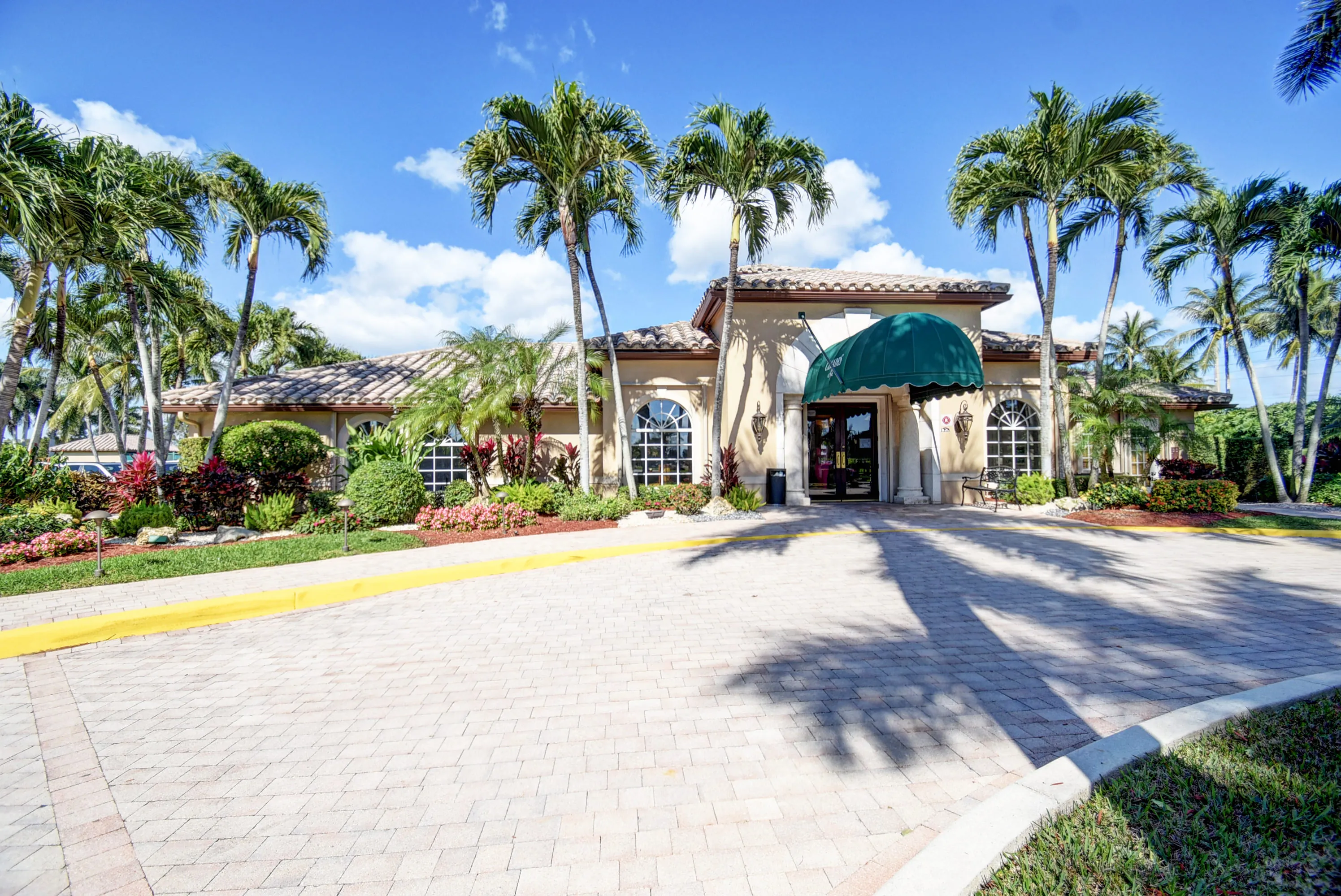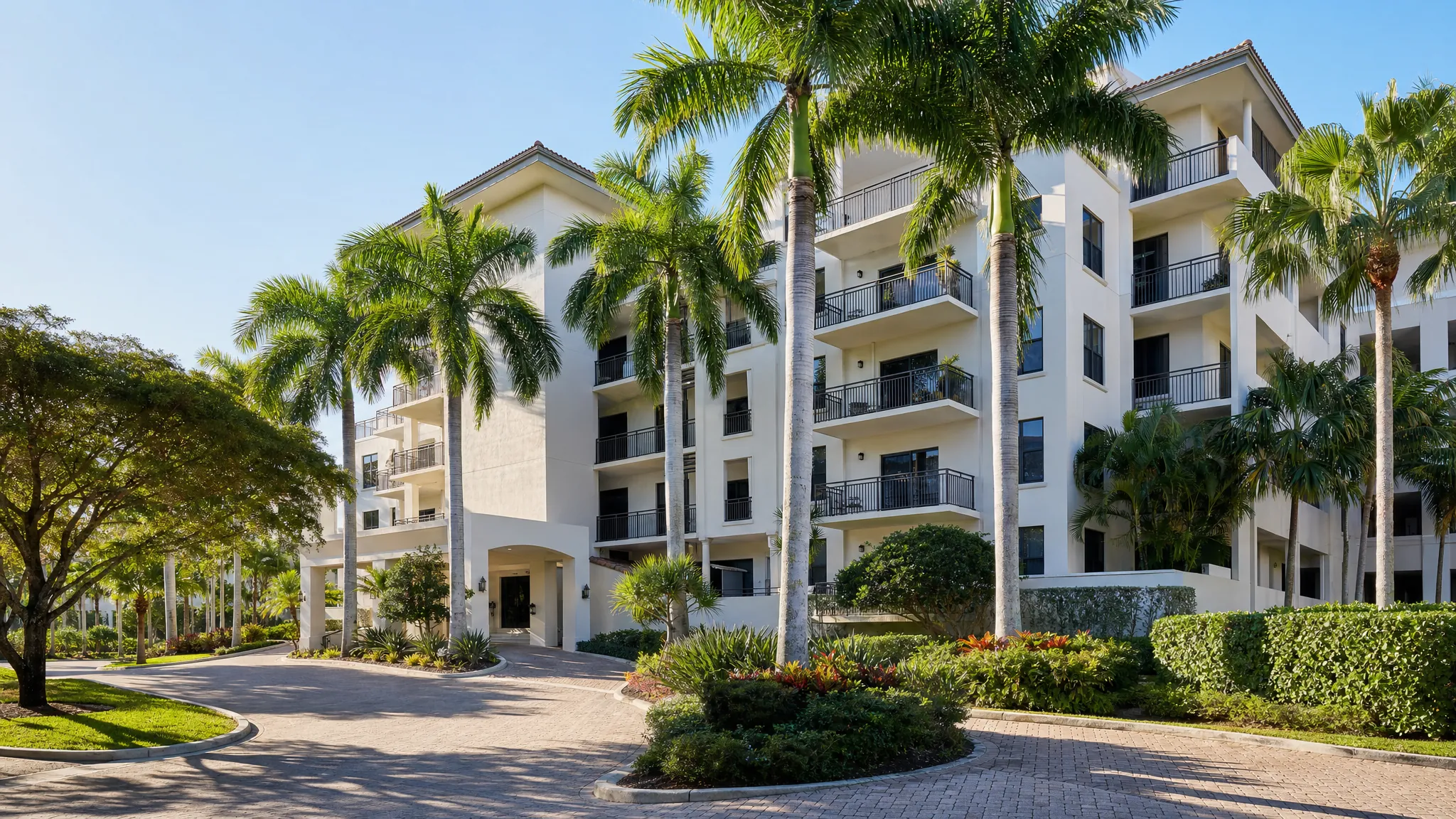
A Florida condominium can be an excellent fit for a 55+ move. It can offer less exterior maintenance, a lock-and-leave lifestyle, amenities, and a social setting that is difficult to duplicate in a standalone home. But a condominium purchase is never just a decision about a unit. You are also buying into an association, a building, a budget, and a set of rules that affect daily life and future costs.
That is why the best time to ask questions is before an offer becomes emotionally important. A renovated kitchen, a water view, or a lower asking price can be part of a good decision, but none of them explain whether the association is well managed, whether an approval timeline fits your plans, or whether the building has work ahead.
This checklist explains how to buy a condo in Florida with the fuller picture in mind. It is especially useful for buyers comparing South Florida 55+ communities, where a single community may have several condominium associations with different documents, fees, policies, and maintenance responsibilities.
1. Start with the exact unit, building, and association
Begin by identifying precisely what you are considering. In a larger community, the community name is only the first layer. The unit may belong to a particular building, village, or condominium association with its own budget, rules, insurance, reserves, and approval process. Two homes on opposite sides of the same entrance can have meaningfully different ownership costs and responsibilities.
Ask the listing agent which association governs the unit, whether there is also a master association, and which fees apply. Then confirm what each fee covers. Exterior maintenance, landscaping, roof work, building insurance, water, cable, internet, security, reserves, recreation, and parking can be handled very differently from one property to another.
Paul’s South Florida community guide is a good place to compare the lifestyle and home styles available across Boca Raton, Delray Beach, and Boynton Beach. Once a community is on your list, shift the research to the specific building and association. That is where the practical details live.
2. Understand what the monthly fee does and does not cover
A condominium fee is not a verdict on value by itself. A higher fee may include services that would otherwise come from your own budget, such as building insurance, water, cable, exterior maintenance, landscaping, pest control, security, reserves, or amenity access. A lower fee can look appealing, but it may leave more work, insurance, or future capital costs with the owner.
Make a side-by-side ownership estimate before you compare prices. Include the association fee, property taxes, unit insurance, utilities, any club or recreation charges, expected maintenance inside the unit, financing costs, and a cushion for changes. The result is more useful than a list-price comparison because it reflects what the home will actually cost to own month after month.
For the current tax record and property history, use the Palm Beach County Property Appraiser for a Palm Beach County address. The current owner’s tax bill is a useful reference point, but it is not a promise of a buyer’s future tax amount. Your closing team can help you understand the address-specific estimate.
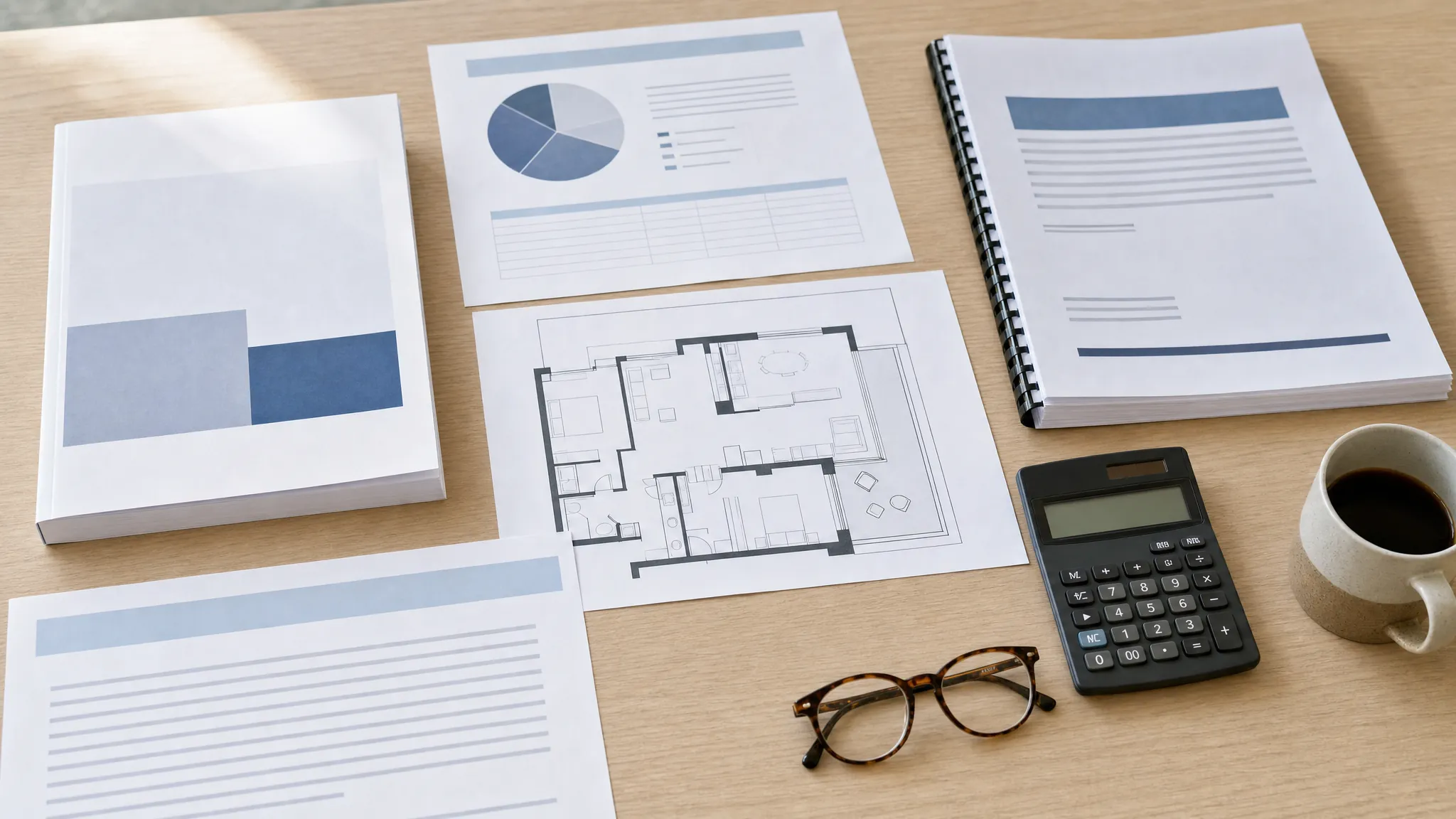
3. Request the documents before you fall in love with the unit
The documents are where a condo purchase becomes real. Request the declaration and bylaws, rules and regulations, current budget, recent financial statements, reserve information, insurance summary, meeting minutes, application package, and any notices about assessments, repairs, projects, or litigation. The exact set varies, but the goal is consistent: understand how the association operates and what it is discussing now.
Read the recent board minutes closely. They often provide the clearest plain-language picture of upcoming maintenance, owner concerns, insurance changes, contractor discussions, drainage work, roof or concrete projects, rule enforcement, and pending decisions. You are not looking for a perfectly quiet set of minutes. You are looking for a board that identifies issues, communicates clearly, and has a credible way to address them.
The Florida Department of Business and Professional Regulation explains that condominium associations maintain official records, including financial and insurance information. Its condominium association guidance is a useful overview, but the documents for the exact association are the ones that matter to your purchase.
4. Look closely at reserves, assessments, insurance, and building work
A condo can be beautifully maintained inside while the building has major work ahead. Ask what has been completed recently, what is planned, what is being studied, and how the association expects to pay for it. Exterior painting, roofs, elevators, balconies, concrete restoration, windows, waterproofing, drainage, plumbing, and life-safety systems can all affect the ownership picture.
Ask whether there are current or proposed special assessments, changes in insurance premiums or deductibles, reserve funding plans, engineering reports, inspections, or loans. Do not accept a quick verbal answer as the full story. Match it against the budget, minutes, insurance information, disclosures, and the seller’s documents. A good question is not simply, “Are there assessments?” It is, “What work is underway or being considered, and how will the association pay for it?”
Florida condominium rules and required disclosures can change, so use the current Florida condominium sales-disclosure statute as a starting point for your contract questions, then rely on your real-estate and closing professionals for advice on the specific transaction.
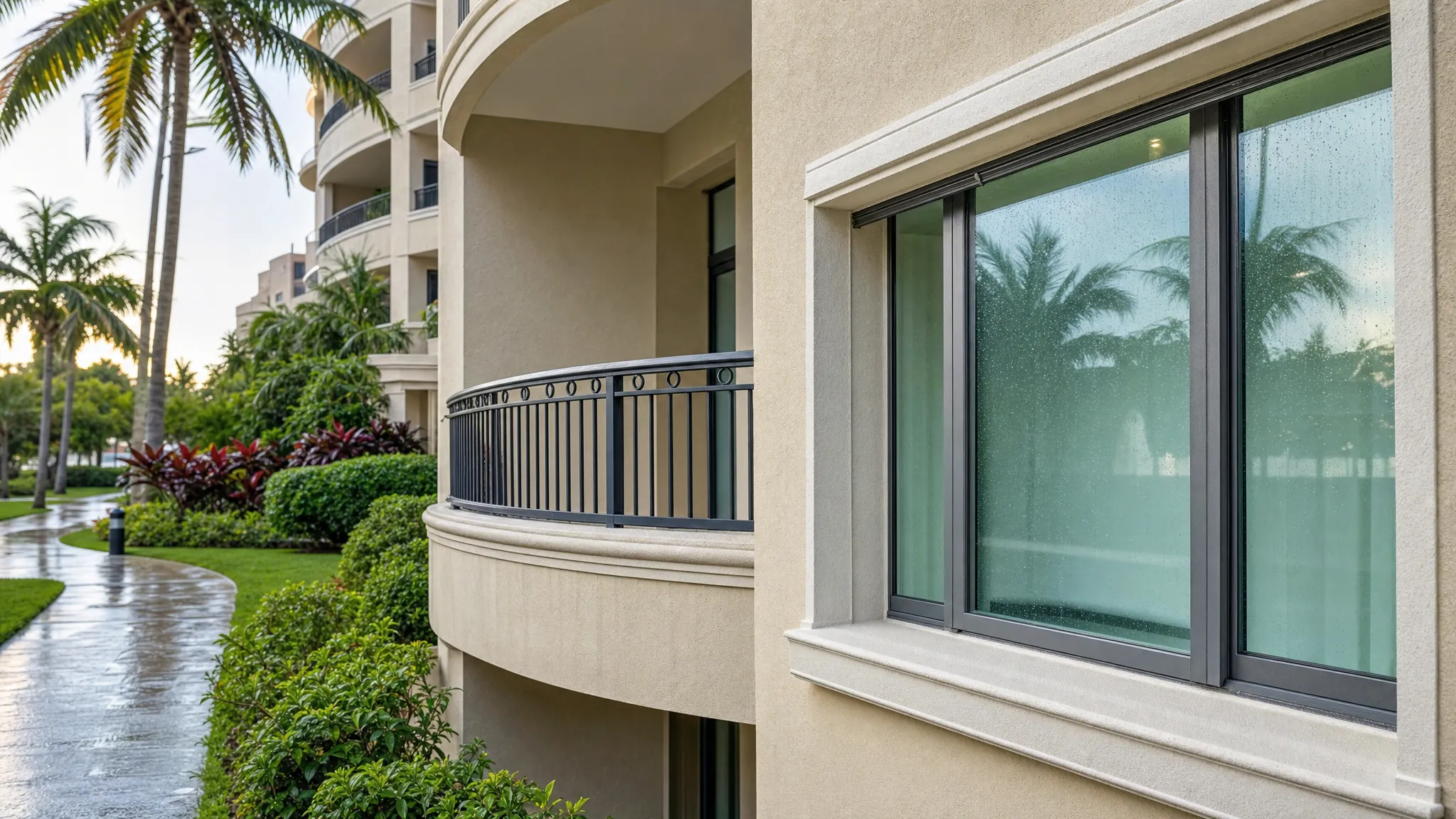
5. Confirm approval, age, occupancy, and rental rules early
Association approval can shape the entire timeline. Some communities require a completed application, identification, background or credit review, interview, orientation, age verification, transfer fee, or approval before closing or occupancy. Ask how long the process typically takes, who must apply, what documents are needed, and what happens if the package is incomplete.
For a 55+ home, also confirm the rules for the exact unit. Who must meet the age requirement? Can an adult child, caregiver, or long-term guest live there? Are there limits on guest stays, parking, pets, vehicles, rentals, or home changes? These details affect the way you can use the home, so they should be settled before you plan a closing date or rely on a casual answer from a showing.
Ask about the move-in process as well. Some buildings limit moving hours, require elevator reservations, collect refundable deposits, or set rules for contractors and delivery vehicles. Those details can seem small until you are coordinating a sale, movers, family help, or an out-of-state relocation.
Paul’s Century Village guide and Kings Point guide show why association-level research matters in larger active-adult communities. The community name may be familiar, but the rules and costs you live with belong to the specific association.
6. Inspect the unit and the building as two related decisions
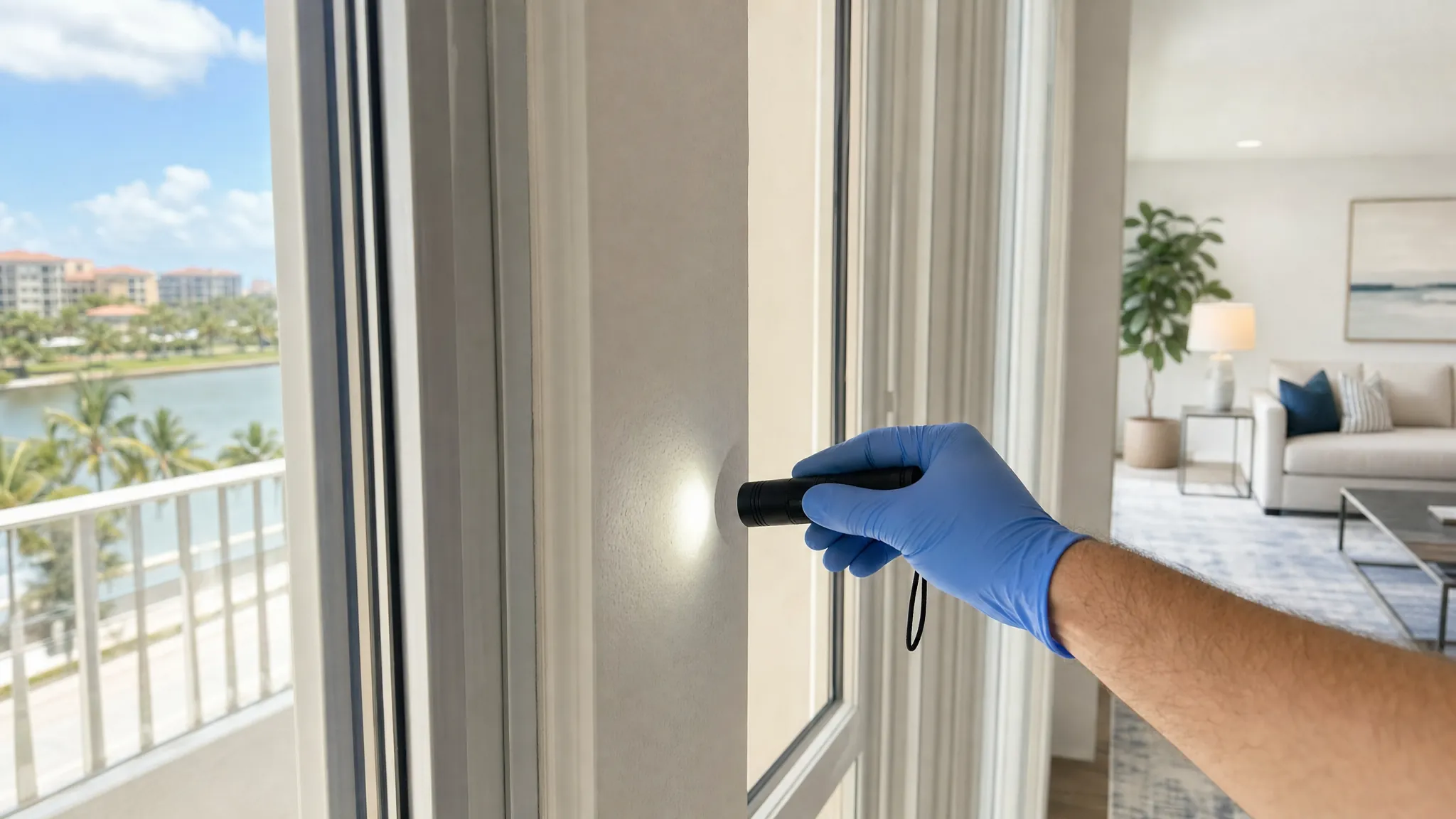
A condo inspection should not stop at the appliances and interior finishes. Review the air conditioning, plumbing, electrical panel, windows and doors, hurricane protection, flooring, evidence of water intrusion, balcony or patio condition where relevant, and the unit’s relationship to common systems. Ask what is owner responsibility and what falls under the association.
Then look outside the unit. Notice rooflines, drainage, exterior walls, hallways, stairs, elevators, common areas, landscaping, parking, and the overall condition of the building. These observations do not replace inspections or association records, but they give you better questions to ask. A building that looks well cared for may still have projects ahead, and a building with visible wear may already have a funded plan in motion.
Flood exposure is part of the broader review in South Florida. The FEMA Flood Map Service Center can help you start location research, but your insurer, lender, inspection team, and purchase documents should guide the decision for the actual unit and building. Ask your insurance professional about the coverage you need for the interior, personal property, loss assessments, and deductibles that may apply to the association.
7. Use the contract period to verify, not to assume
Once you have found a unit you like, keep the due-diligence process organized. Make one list of the documents requested, one list of open questions, and one list of dates for inspections, financing, association approval, and closing. Share the open items with the people who own the answers, whether that is the listing agent, association manager, inspector, lender, insurer, attorney, title professional, or contractor.
This approach helps you avoid the most common condo-buying mistake: treating a missing answer as a reassuring answer. If an issue is unclear, write it down and get the current document or professional explanation that resolves it. The Buyer’s Road Map shows how these moving parts fit into the larger path from your first search to closing day.
A patient review does not make you less competitive. It makes your offer and timeline more realistic. When the documents, building, unit, and association all support the decision, you can move forward with a far clearer picture of what you are buying.
8. Make sure the everyday setting fits your life
The association documents matter, but so does the daily experience. Visit the building at more than one time of day if you can. Notice how visitors enter, where guests park, how far the unit is from the elevator or stairs, whether the common areas feel cared for, and how the building sounds when people are home. A quiet weekday morning and a busy weekend afternoon can reveal different things.
Think through the routines that will matter after closing. Is the unit convenient for groceries, doctors, airport trips, family visits, and the restaurants or activities you enjoy? Does the floor plan support guests, hobbies, a home office, or a caregiver if your needs change? Is the balcony, patio, or view something you will use often, or something you are paying for mainly because it looked good during the showing?
For buyers making a seasonal move, ask how the community handles package delivery, storm preparation, vacant-unit checks, and access while you are away. For year-round residents, ask whether summer and winter feel noticeably different in traffic, parking, noise, and activity. The right condo should work with your normal life, not only your first impression of it.
How Paul helps condo buyers compare the full picture
Paul helps buyers compare the unit, the association, and the community together. That includes identifying which questions belong to the seller, association, inspection team, lender, insurer, and closing professionals before a missing detail becomes a last-minute surprise.
If you are weighing a few condo communities or specific addresses, talk with Paul about the lifestyle, building type, association structure, and local details that can help you narrow the list. The goal is not to make every condominium look risky. It is to give you enough clarity to recognize the one that genuinely fits.
Frequently asked questions
What documents should I review before buying a condo in Florida?
Request the governing documents, rules, current budget, recent financial statements, reserve information, insurance summary, board minutes, application package, and notices about assessments, repairs, projects, or litigation. The exact document set depends on the condominium, but the association documents for the specific unit are more useful than generic community information.
Are condo fees negotiable in Florida?
Association fees are set by the condominium association, so a buyer generally does not negotiate the monthly fee itself. You can, however, use the total cost of ownership, pending work, assessments, unit condition, and comparable sales to decide whether the property and offer price make sense for you.
How long does condo approval take in Florida?
Timing varies by association. Some approvals move quickly when the application is complete, while others involve interviews, background or credit checks, orientations, age verification, and scheduled board review. Ask the association or manager for the current process and timeline before you choose a closing date.
Should I avoid a condo with a special assessment?
Not automatically. An assessment can reflect necessary work and a transparent plan to pay for it. The important questions are what work is being done, whether the scope and funding are clear, what additional work may be ahead, and how the total cost fits your budget and ownership plans.
Written and reviewed by Paul Saperstein, Broker Associate, SRES® | eXp Realty LLC: Last reviewed August 2026.