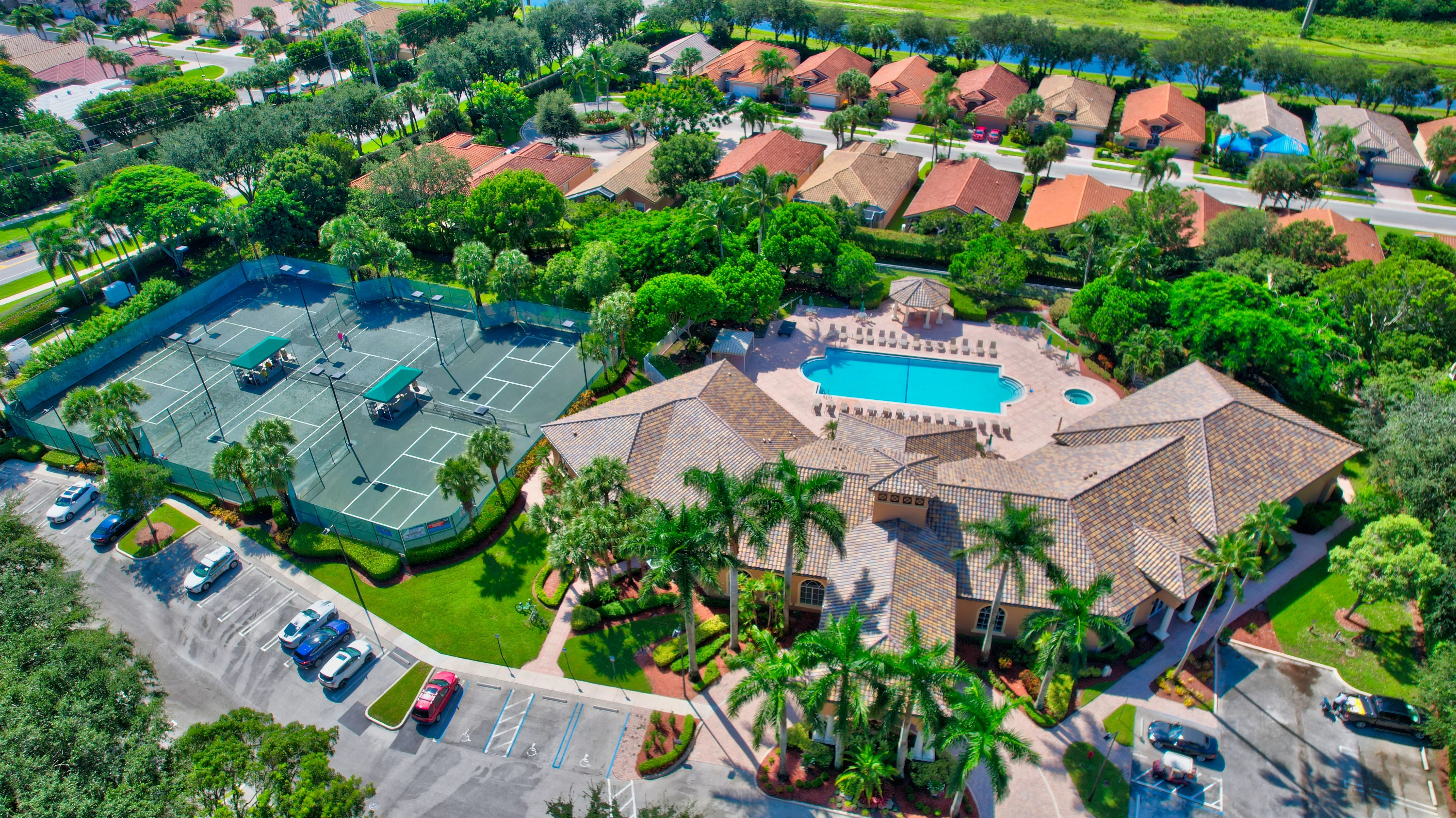
Palm Beach County gives 55+ buyers an unusually wide range of choices. You can find established condominiums, attached villas, newer single-family homes, golf-oriented communities, and large active-adult neighborhoods with a busy clubhouse calendar. That variety is useful, but it can also make the search feel scattered. A lower monthly fee, a beautiful renovation, or a grand clubhouse does not tell you whether the home will work for your everyday life.
The strongest way to compare 55+ communities in Palm Beach County is to separate the decision into a few practical parts: the lifestyle you want, the type of home you want to maintain, the exact association behind the property, the full monthly cost, and the location you will live with every day. When those pieces agree, the right community becomes easier to recognize.
Use this guide to create a short list before you spend too much time on individual listings. Then move from broad community research to the documents, costs, and condition of the exact address you are considering.
1. Start with the life you want, not the amenity list
A 55+ community should support an ordinary Tuesday, not just a polished weekend tour. Think about the routines you want nearby: walking, fitness, tennis or pickleball, golf, cards, dining, a pool, quiet streets, neighbors who are active, or simply less exterior work. The right amount of activity is personal. Some buyers want a full calendar and a club at the center of their week. Others want a well-kept home base with easy access to the rest of Palm Beach County.
Visit a community at more than one time of day when you can. Notice traffic at the entry, guest parking, how residents use the common areas, whether the paths and lighting feel comfortable, and how far the home is from the places you would actually use. A large clubhouse is a real benefit only if the activities, setting, and pace fit your life.
It helps to begin with the site’s South Florida community guide, then narrow by area. The Boca Raton, Delray Beach, and Boynton Beach guides make it easier to compare the different settings before a specific listing pulls your attention in one direction.

2. Choose the ownership style before comparing prices
The same age-qualified label can describe very different ownership experiences. A single-family home may give you more privacy, a garage, and a yard, while leaving you with more responsibility for the roof, exterior systems, insurance, and upkeep. A villa can offer a middle ground, but the exact association decides what it maintains. A condominium may reduce exterior maintenance while adding building, insurance, reserve, and approval questions that belong to the specific unit and association.
Write down what each option includes before you compare monthly fees. Does the fee cover landscaping, roof work, exterior insurance, water, cable, internet, security, recreation, reserves, or a master association? What remains the owner’s responsibility? A lower fee may be a good value, or it may simply leave more costs outside the number shown in a listing.
This difference matters in communities with several neighborhoods or associations. A guide to Coral Lakes is useful because it shows why condos, coach homes, villas, and single-family homes inside one community name can be meaningfully different decisions. The same principle applies across the county: compare the address, the association, and the home together.
3. Treat association documents as part of the home
For an association-governed home, the documents are not an afterthought. They explain the budget, rules, insurance responsibilities, reserves, approval process, planned projects, and questions residents are already discussing. Request the current governing documents, rules, budget, financial information, insurance summary, recent meeting minutes, application package, and notices about assessments or major work early enough to use them.
Focus on the exact questions that affect your plans. Can a family member or caregiver stay for an extended period? Are pets, rentals, parking, vehicles, or exterior changes handled in a way that works for you? What is the timing for an application, interview, age verification, or move-in reservation? A rule that feels small during a showing can become central after closing.
Federal housing rules set a baseline for qualifying housing for older persons, but the written rules for the specific community and association control the day-to-day details that affect a purchase. HUD’s housing-for-older-persons guidance is a helpful starting point. For a Florida condominium, the state’s association records overview also helps explain the types of financial and insurance records worth requesting. Your real-estate and closing professionals can advise on the records and contract questions for the property you are pursuing.

4. Build the full monthly ownership picture
The asking price is only the starting point. Before you compare two homes, build a simple monthly estimate for each one. Include association fees, property taxes, homeowners or unit insurance, utilities, club or recreation costs when applicable, likely maintenance inside the home, financing, and a cushion for changing costs. Then note what each fee covers so you are comparing like with like.
For a Palm Beach County address, the Property Appraiser’s records can help you review the property record and current tax history. The seller’s current tax amount is a useful reference, not a promise of a future bill. A lender, insurer, and closing professional can help you understand the estimate that applies to your own purchase.
Do not reduce the decision to finding the smallest fee. A higher monthly number can make sense when it covers services you value and expenses you would otherwise pay separately. What matters is whether the total commitment is comfortable, clear, and appropriate for the way you plan to use the home. The site’s association-fee tracker can help you keep the questions organized while you compare communities.
5. Tour the exact home as carefully as the community
A community can be a strong fit while an individual home is not. During each showing, look beyond the finishes. Walk the route from the car to the front door. Notice steps, thresholds, parking, storage, laundry placement, shower access, kitchen workspace, natural light, and whether guests can stay comfortably. Look at the roof, windows and doors, hurricane protection, air conditioning, plumbing, electrical systems, drainage, and signs of water intrusion in the context of the home type.
Then put the home back into the community. Is the location near the entry, clubhouse, pool, visitor parking, a busy road, or a quiet lake? Will that make daily life easier or less private? If you expect seasonal visits, think about mail, deliveries, storm preparation, and the support you will want while away. For a location-level starting point, the FEMA Flood Map Service Center can help you begin local research. Your insurer, lender, inspection team, and purchase documents should guide the final decision for the specific property.
A written comparison keeps the choice grounded. Use Paul’s 55+ home touring checklist for every promising address, then score each home against the same needs. It is much easier to see the better fit when every property has been reviewed with the same questions.

6. Compare locations by the life outside the gate
Palm Beach County is not one interchangeable location. A community can be a short drive from restaurants, beaches, family, medical care, airports, golf, or cultural activity, while another may make those trips feel routine or tiring. Before you choose an area, test the routes that will shape your week. Drive to the grocery store, a doctor’s office, the people you expect to see, and the places that make the move feel worthwhile.
The local setting also affects the kind of community you will find. Boca Raton, Delray Beach, and Boynton Beach offer different mixes of condos, villas, single-family homes, golf-oriented settings, and established active-adult communities. A direct side-by-side can be more useful than opening dozens of listing tabs. Paul’s community comparison worksheet is built for that part of the decision.
Once you have a clearer preference, use specific community guides to go deeper. Buyers weighing larger condominium settings can start with Century Village Boca Raton or Kings Point Delray Beach. Buyers considering a club-centred setting may find the Aberdeen Country Club guide useful. Each one is a starting point for questions about the exact home and association, not a substitute for current records.
7. Turn a long list into a confident shortlist
A useful shortlist usually has three to five communities, not twenty. For each one, record the home types available, lifestyle fit, location, association structure, estimated monthly ownership picture, approval steps, and the questions you still need answered. Eliminate a community when it conflicts with a real need, even if a particular listing looks attractive online.
Then move from community research to property research. The home, association, inspection, insurance, financing, and contract dates all need to support the same decision. This approach is slower at the beginning, but it prevents the expensive mistake of falling in love with a home before understanding the monthly cost, rules, or building work behind it.
How Paul helps buyers compare Palm Beach County 55+ communities
Paul helps buyers bring the lifestyle, home, association, and location into one practical comparison. That can mean narrowing a wide community search, identifying the documents that matter for a specific home, understanding the difference between a condo, villa, and single-family ownership structure, or pressure-testing the daily routine behind a beautiful listing.
When you are ready to compare a few realistic options, talk with Paul about the communities and homes on your list. The goal is not to make every community feel complicated. It is to give you enough clarity to choose a place that works well after the first few months.
Frequently asked questions
What should I compare between 55+ communities in Palm Beach County?
Compare the lifestyle, location, home type, association structure, monthly ownership cost, approval process, rules, and condition of the exact home. A community name is only the starting point. The documents and responsibilities tied to the specific address determine how the home will work for you.
Are all Palm Beach County 55+ communities the same?
No. Some are condominium communities, while others offer villas, coach homes, or detached homes. Amenities, fees, rules, maintenance responsibilities, club relationships, and approval processes can differ substantially, even between neighborhoods inside the same larger community.
What documents should I request before buying in a 55+ community?
Request the governing documents, rules, current budget, financial information, insurance summary, reserve information, recent meeting minutes, application package, and notices about assessments or planned work. The exact list depends on the property type and association, but the records for the specific home are the ones that matter.
How do I choose between Boca Raton, Delray Beach, and Boynton Beach?
Start with the weekly routine you want. Compare the drive to family, groceries, medical care, restaurants, beaches, airport routes, and activities that matter to you. Then compare the home types and community styles available in each area before narrowing your list to individual homes.
Written and reviewed by Paul Saperstein, Broker Associate, SRES® | eXp Realty LLC: Last reviewed August 2026.