
Country-club communities can offer a social life, golf, racquet sports, fitness, dining, and a polished everyday setting that makes a move to South Florida feel like a real change of pace. The home matters, of course. So does the club relationship attached to it. Buyers who understand both before they fall in love with a view or a renovated kitchen make much stronger decisions.
Country club membership fees are not one simple number. Depending on the community and the exact home, you may be comparing an initiation or equity payment, recurring club dues, a dining requirement, a homeowners or condominium association fee, taxes, insurance, and normal home upkeep. In some communities, club membership is required. In others, it is optional, separate, or simply nearby.
The useful question is not, “What are the club fees?” It is, “What does this exact home require at closing, month after month, and in the way I plan to use it?” This guide gives you a practical way to get that answer before you offer.
1. Start by identifying the membership model
A golf course behind the home does not tell you how membership works. Some communities require buyers to join the club as part of ownership. Others make membership optional, which lets you enjoy the setting without committing to the club on day one. A third group has a separate club or nearby course with no ownership obligation at all.
That distinction changes the purchase decision. Mandatory membership can be excellent value for a buyer who expects to play golf, dine, use fitness, or build a social routine around the club. It can be a poor fit for someone who wants the view but would rather spend that recurring money on travel, family visits, or a different lifestyle.
Before you compare prices, ask the listing agent, the association, and the club which model applies to the exact address. Paul’s 55+ golf-community guide is a helpful starting point for seeing how the membership models differ across South Florida communities.
2. Separate the one-time cost from the recurring cost
A membership package can have both an up-front and an ongoing component. The up-front amount may be called an initiation fee, equity contribution, capital contribution, transfer charge, or something similar. The recurring part may include annual or monthly dues, dining minimums, cart fees, locker charges, guest fees, or category-specific assessments.
Do not assume that a larger up-front amount means higher long-term ownership cost, or that low monthly dues mean there is no meaningful commitment. The value depends on the current club package, whether the amount is refundable or transferable, which privileges are included, and how frequently you expect to use them.
Ask for a written membership schedule that shows every required payment and the dates it is due. A club conversation is useful, but the current written package is what lets you compare one address with another without relying on an older online figure or a general neighborhood description.

3. Build a complete monthly ownership picture
A club fee is only one part of living in a country-club community. Put the club dues beside the homeowners or condominium association fee, property taxes, home insurance, utilities, expected maintenance, financing costs, and any services that are not included. This gives you a realistic monthly picture rather than a list-price comparison that misses the ongoing commitment.
Then list the services each payment covers. An association fee might include landscaping, exterior maintenance, roof responsibility, security, reserves, water, cable, or insurance. Club dues might include golf, dining, pools, fitness, tennis, pickleball, social events, or only a portion of those. A higher monthly total may still be a better fit if it replaces expenses you would otherwise carry separately.
Use the same worksheet for every home you are considering. The site’s community comparison worksheet can help keep the home, association, club, and lifestyle details in one place while you compare options.
4. Confirm the membership category, not just the club name
Country clubs often have more than one membership category. Golf, sports, social, dining, racquet, and seasonal options can have different pricing, access, guest privileges, waitlists, and transfer rules. A listing that says “membership included” or “membership available” is not enough to explain what a buyer receives or must pay.
Ask which category applies to the home, whether the buyer may choose a different category, and whether there are age, timing, residency, or usage requirements. Confirm whether the package includes full golf access, practice facilities, dining, fitness, pool access, racquet sports, social events, or only selected privileges. The details should match the reason you are considering the community.
If you are comparing homes in Aberdeen Country Club, make sure the membership terms and village documents belong to the precise home. A community name can cover different villages and different ownership arrangements.
5. Treat the club, the association, and the home as three separate reviews
A strong country-club purchase has three parts. The club review tells you what you are joining and what it costs. The association review tells you how the community is managed, what the rules are, and what shared expenses may be ahead. The home review tells you about the roof, windows, systems, permits, insurance profile, and condition of the address itself.
These parts overlap, but they are not interchangeable. A well-run club does not tell you whether the condominium reserves are adequate. A beautiful home does not tell you whether a membership is required. A low association fee does not confirm whether the club category will fit your plans.
For condominium purchases, the Florida Department of Business and Professional Regulation explains that associations maintain official records that include financial and insurance information. Its condominium association guidance is useful background, but the documents for the exact association are what matter to your decision.
6. Ask what can change after closing
Membership dues, club policies, association budgets, insurance costs, reserve plans, and assessments can change. That does not make a country-club home a bad choice. It means a buyer should understand how decisions are made, what has changed recently, and what the current budget suggests about the next few years.
Request recent club communications and association meeting minutes when they are available. Ask about projects, capital improvements, insurance changes, reserve funding, planned assessments, recurring dining minimums, and any membership transfer restrictions. Look for clear current information, not a promise that costs will never change.
The same discipline applies to a Florida condominium sales contract. The state’s condominium sales-disclosure statute explains the buyer disclosure framework. Your agent, closing professionals, and the documents for the property should guide the transaction-specific questions.

7. Tour the club like you would use it
A membership can sound impressive on paper and still be wrong for your routine. Visit during a time when the club is active. Look at the golf course, practice facilities, dining rooms, fitness areas, pool, racquet courts, event calendar, and the general pace of the place. Think about where you would spend a normal Tuesday, not only a holiday weekend or a polished sales tour.
Ask practical questions. Is tee-time access comfortable for your schedule? Are the dining spaces places you would genuinely use? Does the fitness program fit your habits? Are the social events, clubs, and guests policies appealing? The goal is not to find a universally best club. It is to find a place that makes the total commitment feel worthwhile for you.
A community with optional membership can be especially useful for buyers who want to try the lifestyle before making a larger commitment. The Boca Lago guide is a useful example of how an established country-club setting can have a different membership structure from a mandatory-club community.
8. Compare the cost to the lifestyle, not to a nearby listing
It is tempting to compare one home’s membership expense with a nearby listing that has a lower fee or a different club arrangement. That comparison often breaks down because the homes may belong to different villages, carry different categories, include different association services, or have different maintenance needs.
Instead, compare complete ownership profiles. Put each home’s purchase price, cash due at closing, club category, recurring dues, association fee, taxes, insurance, estimated maintenance, and lifestyle notes on the same page. A home with higher carrying costs may offer exactly the program you want. A lower-cost home may preserve flexibility that matters more to you.
Take your list on a showing. The site’s touring checklist can help you record the home, building, access, amenities, and questions that are easy to forget after seeing several properties in a day.
9. Do not let the club distract from the condition of the home
Country-club amenities can make a home feel move-in ready even when important systems deserve a closer look. Inspect the roof, windows and doors, air conditioning, plumbing, electrical systems, drainage, permits, hurricane protection, and signs of water intrusion. Ask what the owner is responsible for and what the association covers.
The age of the home matters, but the maintenance history matters more. A well-documented roof replacement, impact protection, service records, and thoughtful upgrades can change the ownership picture. The opposite is also true: a renovated kitchen can hide an older roof or system that deserves a separate budget.
Use the club review to decide whether the lifestyle fits. Use the association documents to understand the shared responsibility. Use inspections and records to understand the home. Those three answers make a much better decision than any single amenity or fee number.
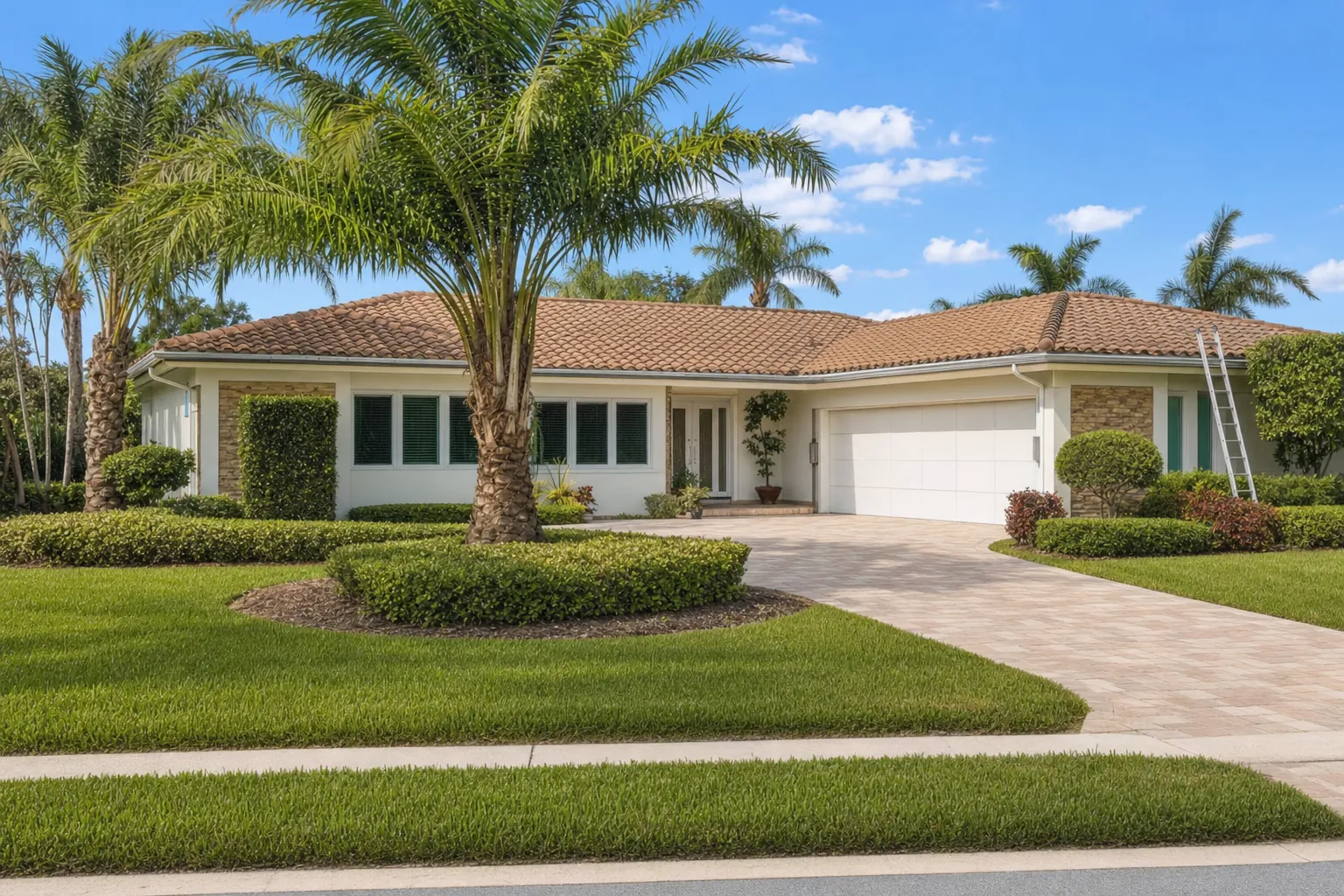
10. Give yourself enough time before you commit
Membership and association questions are easiest to solve while you still have choices. Before an offer becomes emotionally important, make a written list of the documents you need, the questions that remain open, and the people who can answer them. That may include the listing agent, club membership office, association manager, inspector, lender, insurer, attorney, or title professional.
A missing answer is not a reassuring answer. If a required membership amount, transfer rule, assessment, or approval step is unclear, ask for the current document or written explanation. This keeps your offer and closing timeline realistic, especially when you are coordinating a sale, seasonal move, financing, or family travel.
Paul’s Buyer’s Road Map shows how the club and association review fit into the larger path from first tour to closing. A careful process does not mean you are slow. It means you can move forward once the important facts are clear.
How Paul helps buyers compare country-club communities
Paul helps buyers compare the home, membership relationship, association structure, and everyday lifestyle together. He can help identify which questions belong to the club, the association, the seller, the inspection team, lender, insurer, and closing professionals before an unclear detail becomes a late surprise.
If you are comparing a few homes or communities, talk with Paul about the membership model, local community differences, and practical ownership questions behind the listing. The goal is not to make every fee look risky. It is to help you recognize when the home and the lifestyle both fit.
Frequently asked questions
How much are country club membership fees?
Country club membership fees vary widely by community, membership category, and the exact home you are buying. The complete cost can include an initiation or equity payment, recurring dues, dining minimums, association fees, taxes, insurance, and home upkeep. Ask the club and association for the current written package before you compare homes.
Are country club memberships required when you buy a home?
Sometimes. Some country-club communities require membership for certain homes or villages, while others offer membership as an option or operate a separate club with no ownership obligation. Confirm the membership model for the precise address, not only the broader community name.
What should I ask before buying in a country-club community?
Ask what membership category applies, what you pay at closing and over time, which privileges are included, whether there are dining or assessment obligations, what can change, and whether transfer rules apply. Also review the current association documents, insurance, reserves, rules, and the condition of the individual home.
Can I buy a country-club home without joining the club?
It depends on the community and the exact property. Optional-membership communities may allow you to buy the home first and decide later, while mandatory-club communities may require a membership relationship as part of the purchase. Get the current written answer for the specific address before making an offer.
Written and reviewed by Paul Saperstein, Broker Associate, SRES® | eXp Realty LLC: Last reviewed August 2026.