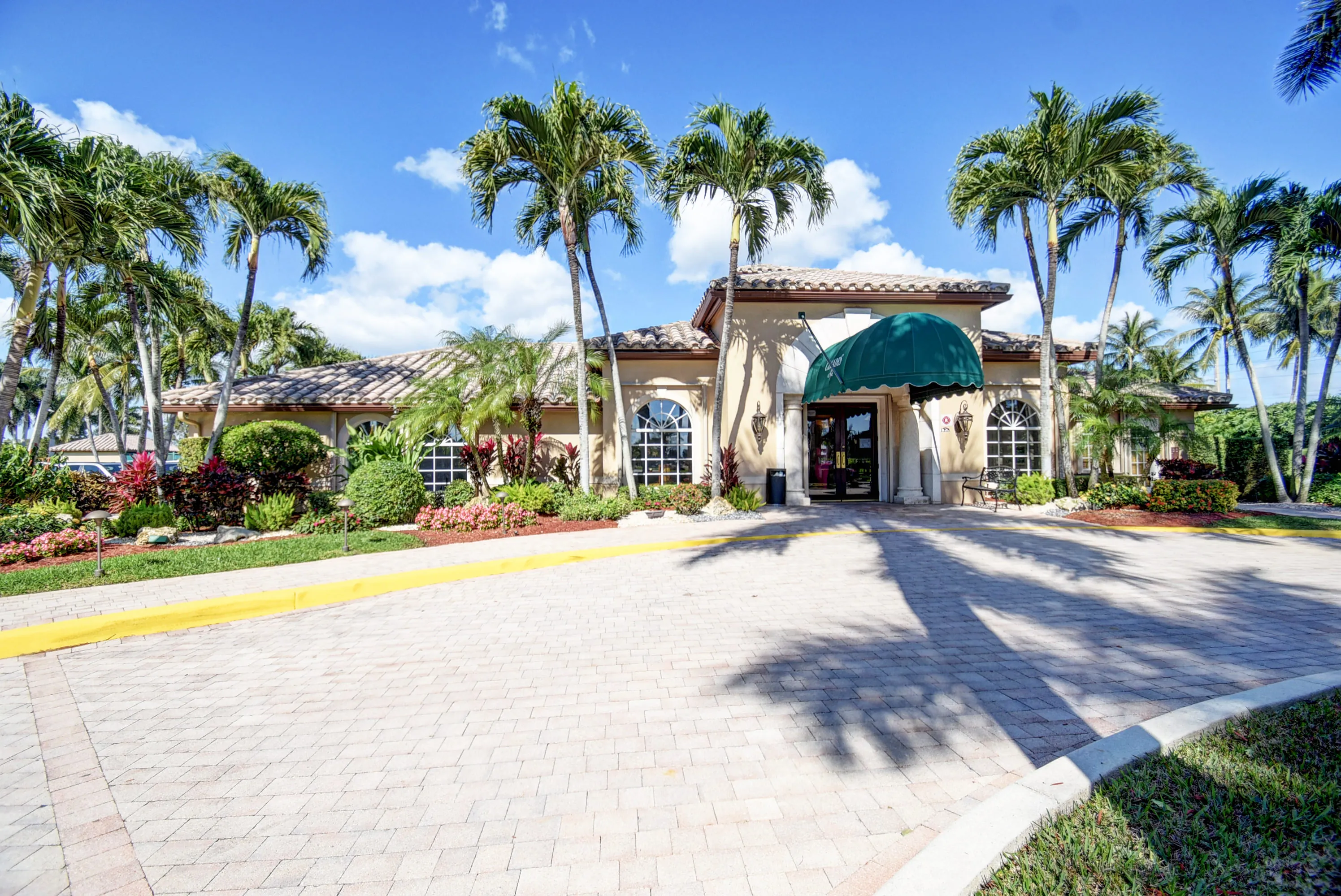
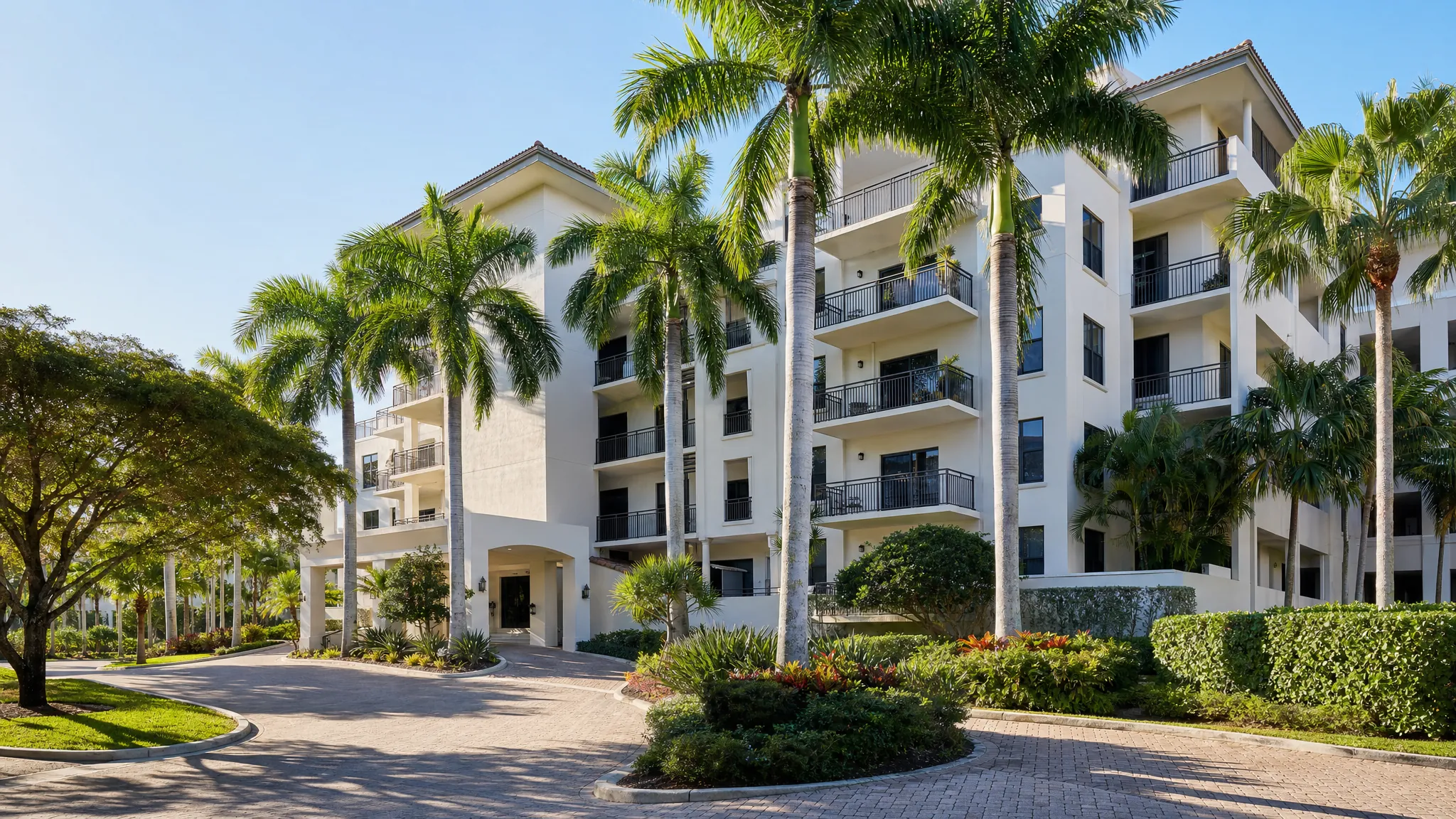
A 55+ community is an age-qualified neighborhood designed for adults who want a particular kind of home and lifestyle. It may offer single-family houses, villas, townhomes, or condominiums. It may have a clubhouse, pool, fitness center, sports courts, classes, gates, landscaping, or a busy social calendar. It may also be quiet and simple, with little more than an association and an age requirement. The label tells you something important, but it does not tell you everything.
That is why the best question is not simply, “Is this a 55+ community?” It is, “How would this particular home, association, and location work for my everyday life?” Two communities with the same age-qualified label can feel completely different. One may suit a buyer who wants a large social setting and less yard work. Another may suit someone who wants a detached home, more privacy, and an easier lock-and-leave routine.
For South Florida buyers, the details behind the name matter. The home type, association rules, monthly costs, insurance responsibilities, amenities, and location can all change the ownership experience. This guide explains the basics, the terms that can be confusing, and the questions worth answering before you grow attached to a specific home.
A 55+ community is housing, not a care setting
A 55+ community is usually a residential neighborhood. It is not automatically assisted living, independent living with services, a nursing facility, or a promise that transportation, meals, health care, or personal assistance will be available. Some communities are close to health care, shopping, restaurants, or social activity. That can be useful, but those conveniences are different from care services.
This distinction matters when a move is connected to changing needs. A buyer may want a one-level home, fewer exterior responsibilities, an active social setting, or a place that is easier to leave during travel. Those are legitimate reasons to consider age-qualified housing. If regular meals, medication support, transportation, or hands-on personal care are part of the decision, evaluate those needs separately and directly.
Think of a 55+ community as one housing option among several. A condominium, villa, smaller single-family home, or townhome can each offer a manageable next chapter. The right choice depends on the responsibilities you want to keep, the services you may need, and the daily routines that make a home feel comfortable.
How the age requirement works
The federal framework for housing for older persons is the starting point. A qualifying 55+ community generally needs at least 80 percent of its occupied homes to include at least one resident who is 55 or older. It also needs policies and procedures showing that it intends to operate as housing for older persons. That federal baseline does not mean every resident in every home must be 55.
The written rules for the exact community are what matter to a buyer. An association may have its own occupancy requirements for a spouse, partner, adult child, caregiver, long-term guest, tenant, or surviving owner. The rule may be handled by a master association, a condominium association, or both. A familiar community name is not enough to answer the question.
The federal regulation explains the broad housing-for-older-persons framework. Before making an offer, ask for the current declaration, bylaws, rules, application package, and occupancy policy for the actual address. For a closer look at household and guest questions, read Paul’s guide to who can live in a 55+ community.

Active adult, 55+, retirement, and assisted living are not interchangeable
“Active adult” usually describes the lifestyle a community is built around. It may suggest recreation, social events, fitness, a clubhouse, and lower-maintenance living. Many active-adult communities are 55+, but not every community that promotes an active lifestyle uses the same age-qualified rules. Confirm the age policy instead of assuming that a pool, pickleball court, or clubhouse answers it.
“Retirement community” is a broad phrase. It can describe a 55+ neighborhood, an independent-living campus, an assisted-living residence, or a continuing-care community. The words can make a search easier, but they are not a substitute for finding out what the home actually is, what services are provided, and what the ownership or rental arrangement requires.
“Assisted living” is a service model, not simply an age range. It is designed around help with daily living and often includes housing, meals, staffing, and care plans. A 55+ home can be a strong fit for someone who wants independent living and a community setting. It should not be chosen on the assumption that care will be supplied later. When future support matters, ask early how the home, entrance, bath, bedroom layout, parking, and local services would work.
The home types can change the ownership experience
A 55+ community is not one kind of property. In South Florida, a buyer may be choosing among a detached single-family home, an attached villa, a coach home, townhouse, or condominium. The exterior appearance can be similar, while the responsibility, insurance, association structure, and monthly cost are very different.
A single-family home often gives you more privacy, a driveway, garage, and outdoor space. It may also leave the owner responsible for the roof, exterior systems, landscaping, and more of the insurance picture. A villa can provide a middle ground, but the association may or may not handle elements such as the roof, exterior paint, landscaping, or irrigation. A condominium can reduce exterior work while adding building, reserve, insurance, approval, and assessment questions.
Do not compare only the asking price or monthly fee. Ask what the fee covers, what the owner remains responsible for, and whether a master association is involved. Paul’s Palm Beach County 55+ community comparison guide can help you narrow the broad choices before you start evaluating individual homes.

Amenities should support an ordinary week
Amenities can make a community more enjoyable, but they should not decide the purchase by themselves. A resort-style pool, theater, fitness center, pickleball courts, golf, card rooms, café, or activity calendar can be meaningful when you expect to use them. They are less meaningful when the community is too far from the people and routines that shape your week, or when the monthly cost does not fit comfortably.
Visit at a normal time if you can. Notice the distance from the home to the clubhouse, the ease of guest entry and parking, how people use the common spaces, and whether the setting feels too busy, too quiet, or just right. Drive the routes you will actually use, including groceries, doctors, favorite restaurants, family, airport trips, and activities outside the gate.
A good community supports an ordinary Tuesday, not just a polished Saturday showing. Make a short list of what you want more of, such as social connection, easy travel, fitness, privacy, gardening, a guest room, or less maintenance. Then compare each community against that list rather than against the strongest amenity brochure.
Association rules and documents are part of the purchase
When a home is association-governed, you are not only buying the unit or house. You are buying into the rules, budget, insurance structure, approval process, and decisions that affect it. Request the current governing documents, rules, budget, financial statements, reserve information, insurance summary, recent board minutes, application package, and notices about assessments or major work.
For a Florida condominium, association records can be especially important. The Florida Department of Business and Professional Regulation outlines the kinds of official association records that may be maintained. The exact documents for the home are still the ones that matter. They can explain current fees, what the association covers, planned work, insurance deductibles, leasing rules, pet rules, parking, applications, and move-in requirements.
Look for answers to the questions that affect your life. Can you have the pet you have now? Can family stay for an extended visit? Does the community allow the vehicle, rental plan, or exterior change you have in mind? What does the application require, and how long does it take? The site’s 55+ association-fee tracker gives you one place to record those answers as you compare homes.

Build the full monthly picture before you compare
A lower list price or lower monthly fee does not automatically mean a home is the better value. Build a simple ownership estimate for every serious option. Include the association fee, property taxes, insurance, utilities, club costs when applicable, likely interior maintenance, financing, and known assessments or capital contributions. Then write down what each recurring fee covers.
A higher monthly fee can include services or expenses you would otherwise pay separately. A lower fee may leave more maintenance, insurance, or future work with the owner. The useful comparison is the full monthly commitment, the condition of the home, and the work that may be ahead, not a single number in a listing.
For a Palm Beach County address, the Property Appraiser’s records can help you review property history and the current tax record. The seller’s tax bill is a reference point, not a promise of a future bill. A lender, insurer, and closing professional can help you understand the numbers that apply to your own purchase.
How to decide whether a 55+ community fits
Start with your daily life, then use the community to test it. List the features you need and the responsibilities you are ready to release. Be specific: one-level living, a guest room, room for a hobby, a garage, quieter streets, a social calendar, a shorter drive to family, easier travel, a pool, or less exterior maintenance. A vague wish for “something easier” is hard to compare. A short, honest list is useful.
Next, choose a few communities with different home types and settings. Tour more than one property in each when possible. Use the same questions every time, and separate the community’s broad appeal from the exact home’s condition, location inside the community, association, and costs. Paul’s 55+ touring checklist and community comparison worksheet can help make those visits easier to compare.
Finally, do not rush to turn research into a commitment. You may learn that a 55+ community is a strong fit, that a different home type works better, or that staying put remains the right choice for now. A useful search creates clarity. It does not force a move before the home, budget, household, and lifestyle all line up.
How Paul helps buyers compare the real details
Paul helps buyers look past the community name and compare the practical parts of a 55+ move: the home type, location, association structure, rules, ownership costs, and daily lifestyle. That local detail matters because nearby communities can offer very different experiences even when they are only a few miles apart.
If you are sorting through a few South Florida options, talk with Paul about what you want your next home to make easier. The goal is not to choose the community with the longest amenity list. It is to find the home and setting that fit your real life with fewer surprises after closing.
Frequently asked questions
What does 55+ community mean?
A 55+ community is age-qualified housing intended for older adults. It may include condos, villas, townhomes, or single-family homes, with a wide range of amenities and association structures. The exact age, occupancy, and lifestyle rules depend on the community and association.
Does everyone have to be 55 to live in a 55+ community?
Not necessarily. The federal framework for qualifying 55+ housing generally requires at least 80 percent of occupied homes to include one resident who is 55 or older. Each community may set more specific rules for spouses, partners, adult children, caregivers, guests, and renters, so buyers should confirm the current written policy for the exact home.
Is a 55+ community the same as assisted living?
No. A 55+ community is typically a residential housing choice. It may offer amenities and social activities, but it does not automatically provide meals, transportation, health care, or personal assistance. Evaluate any service needs separately before choosing a home.
What should I ask before buying in a 55+ community?
Ask about the exact home type, association fees and coverage, current rules, age and occupancy policy, pets, rentals, guests, approval timing, reserves, insurance, assessments, and planned work. Also compare the daily location, maintenance responsibilities, and the total monthly ownership cost, not only the asking price.
Written and reviewed by Paul Saperstein, Broker Associate, SRES® | eXp Realty LLC: Last reviewed September 2026.