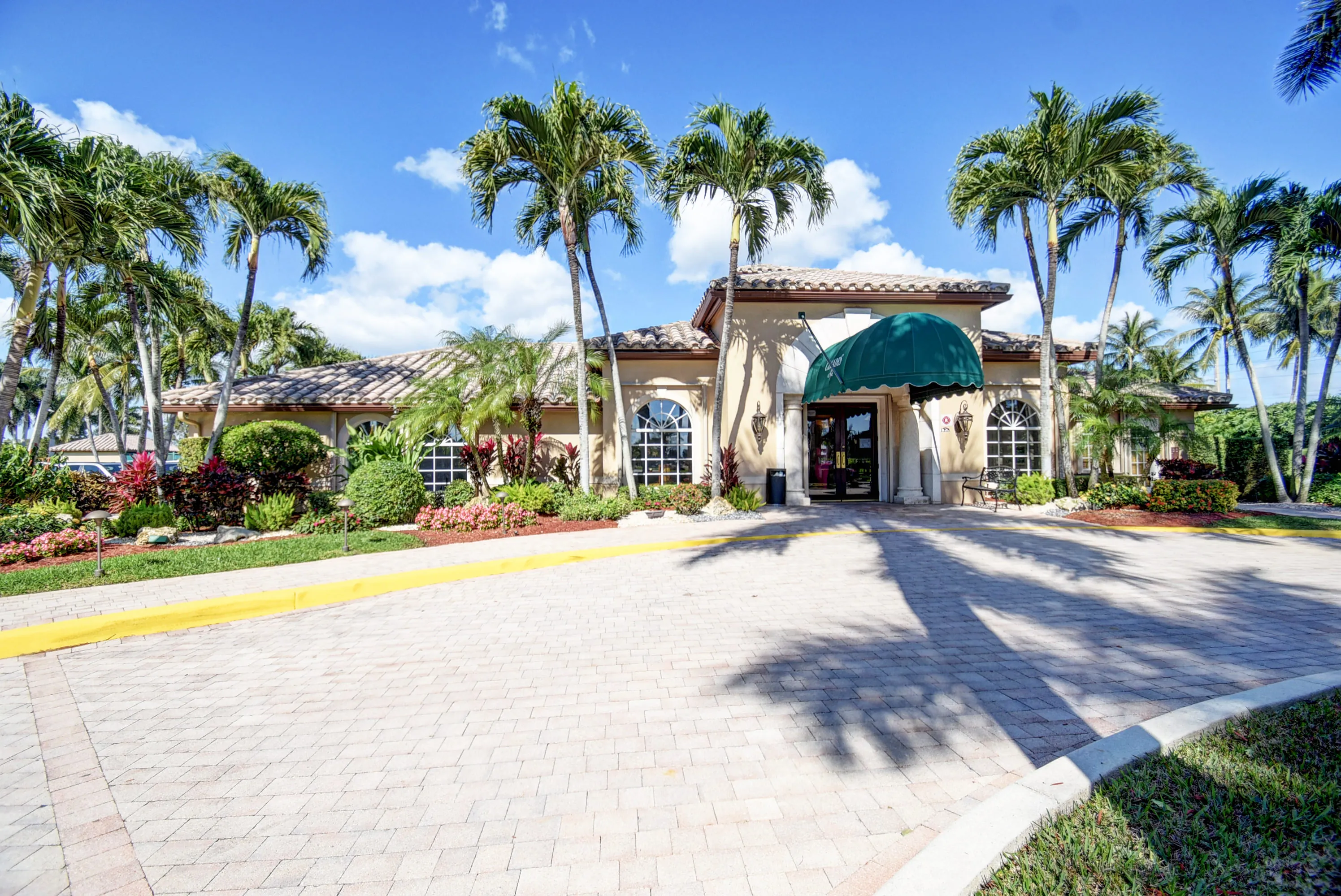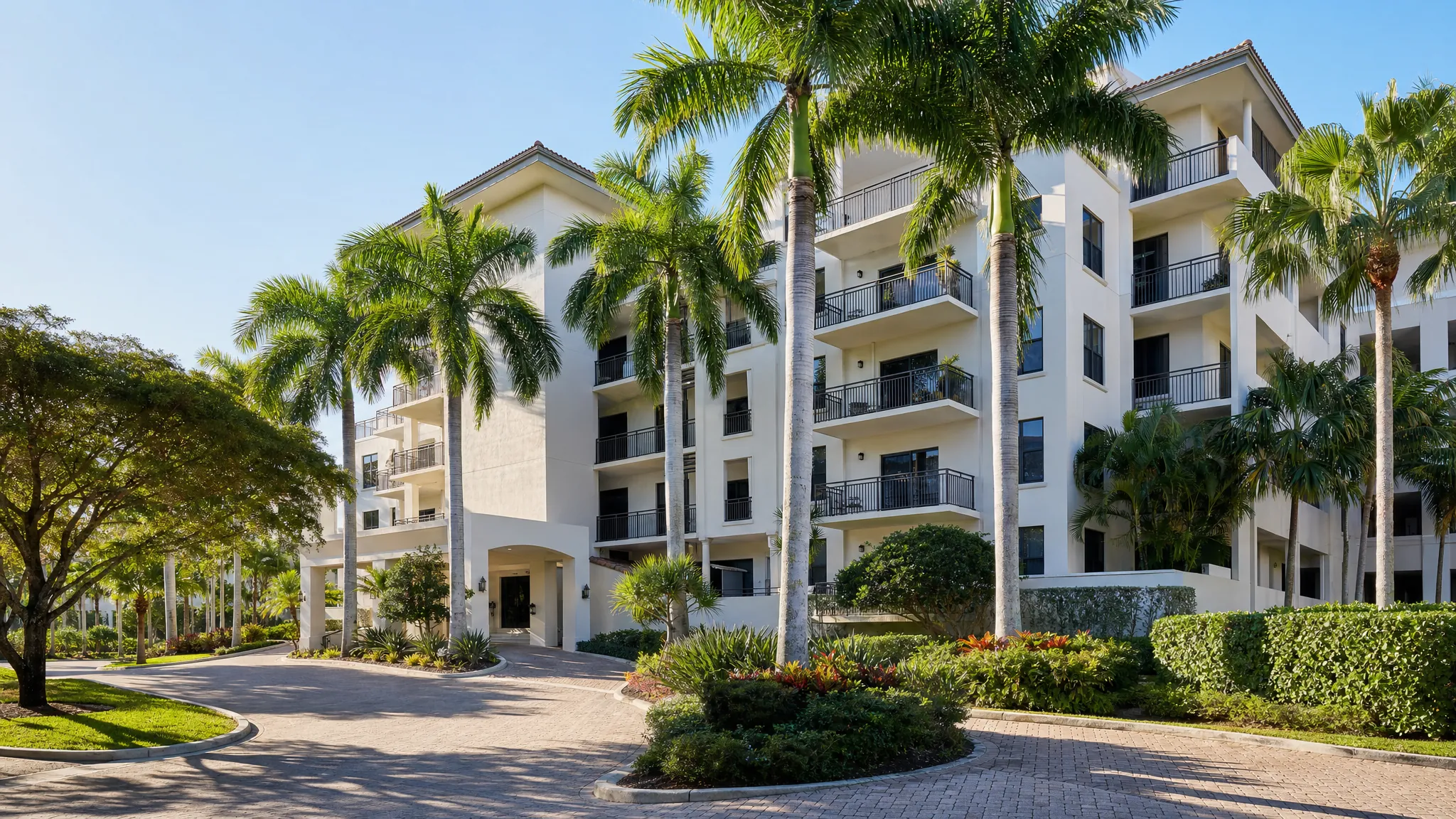
Buying in a 55+ community is not just a home search. You are choosing a daily routine, a set of community rules, and a financial structure that may be very different from the home you own today. A beautiful kitchen or a low list price can be meaningful, but neither tells you whether the community will feel right after the first few months.
South Florida gives buyers an unusually wide range of choices: single-family homes, villas, coach homes, condominiums, country-club settings, and large active-adult communities with several layers of associations. The right way to compare them is to slow the decision down long enough to understand the address, the association, and the lifestyle together.
Use these questions before you narrow a shortlist or write an offer. They will help you notice the details that listings often cannot explain.
1. What does an ordinary Tuesday look like here?
Start with the life you want between the big moments. Do you want a quiet single-family setting, a busy clubhouse calendar, walkability to restaurants, a golf-centered social scene, or simply less exterior maintenance? Tour at different times of day if you can. A Saturday open house can make any community look lively; a weekday morning tells you more about traffic, parking, activities, and the pace of the neighborhood.
Ask what residents actually use. A large clubhouse and a long amenity list may be valuable, but only when they match your habits. If tennis, pickleball, fitness classes, theater, cards, or pools matter to you, see the spaces in use. If your priority is privacy and easy lock-and-leave ownership, a quieter villa or condominium may fit better than a resort-style community.
It also helps to think beyond the gate. Test the drive to the people and places you will use often: grocery stores, doctors, airport routes, beaches, family, and favorite restaurants. Paul’s South Florida community guide is a useful starting point for comparing the community styles found across Boca Raton, Delray Beach, and Boynton Beach.

2. What does “55+” mean for this particular address?
Do not assume every age-restricted community has the same occupancy rules. Under the federal housing-for-older-persons framework, a qualifying 55+ community generally requires at least 80 percent of occupied units to have one resident who is 55 or older, along with policies showing the community intends to operate that way. HUD’s fair-housing guidance explains the federal baseline, but the documents for the community and association are what control your purchase.
Confirm the exact rule for the unit you are considering. Who must meet the age requirement? Are there rules for a spouse, partner, adult child, caregiver, or long-term guest? Are there length-of-stay limits for grandchildren? These are not minor housekeeping questions. They affect how comfortably the home works for your family and future plans.
Also separate age rules from service needs. A 55+ community is typically a housing choice, not assisted living or a promise of care. If regular care, transportation, or meal support is central to the decision, assess those needs directly rather than assuming a clubhouse community provides them.
3. Are you comparing the same kind of ownership?
A low-maintenance lifestyle can mean several very different things. In a single-family home, the owner may carry responsibility for the roof, windows, exterior systems, insurance, and landscaping beyond the association’s basic services. In a condominium, the association may handle far more of the building, while the buyer takes on a different set of fees, reserves, insurance questions, and building-level risks. Villas and coach homes often sit somewhere in between.
Before you compare two monthly fees, write down what each one covers. Does it include exterior painting, roof cleaning, lawn care, irrigation, cable, internet, gate security, master insurance, reserves, or use of the clubhouse? Then list what remains your responsibility. The more accurately you compare the full picture, the less likely you are to be surprised after closing.
This is especially important in multi-association communities. For example, Paul’s guides to Coral Lakes, Indian Spring, and Rainberry Bay show why the exact neighborhood or section can matter as much as the community name.
4. What are the monthly costs, and what could change?
The purchase price is only the starting number. Build a simple monthly ownership estimate that includes association fees, taxes, insurance, utilities, club or recreation charges where applicable, expected home maintenance, and any financing costs. Check the address in the Palm Beach County Property Appraiser’s records as part of your tax and property-history review, then ask whether the current fee is a stable operating number or whether larger work is being planned.
Request the current budget, financial statements, reserve information, insurance summary, recent board minutes, and details of completed or proposed projects. In Florida condominiums, association records can include financial reports, insurance policies, structural-reserve studies, and inspection reports. The state’s condominium association records guidance is a good reminder of the questions worth asking, even though the exact records and obligations vary by property type.
A fee is not automatically good or bad because it is high or low. A higher fee may include services you value and expenses you would otherwise pay separately. A lower fee can be attractive, but it deserves a closer look at coverage, reserves, and what the owner must fund independently. The goal is not to find the smallest number. It is to understand the number you will actually live with.

5. Are there assessments, insurance issues, or building projects ahead?
This question should be asked early, not after you are emotionally committed to a home. Look for recent or planned capital work, open insurance questions, changes in premiums, reserve contributions, major repairs, and special assessments. Read recent meeting minutes for the plain-language version of what the community is discussing.
For a condominium, ask about the building’s inspection history, reserve planning, and who is responsible for work that affects the unit. For a single-family or villa home, ask how the association divides responsibility for roofs, exterior walls, irrigation, landscaping, and common drainage. The answer may change by section, even within the same gated community.
Flood exposure belongs in this conversation as well. A property’s flood zone, elevation, insurance requirements, and prior claims can affect both cost and peace of mind. The FEMA Flood Map Service Center is a useful starting point for location research, but your insurer, lender, inspection team, and purchase documents should guide the decision for the specific address.
6. What rules would change the way you live?
Most buyers ask about pets and rentals. Keep going. Ask about guest stays, vehicle types, overnight street parking, work vehicles, motorcycles, boats, pickup trucks, home businesses, exterior changes, window coverings, satellite dishes, and moving-day rules. A rule that feels unimportant during a tour can become central once you own the home.
Get the current written rules for the exact association. Do not rely on a listing description, a neighbor’s memory, or a rule from a different section. In some communities, the master association, the neighborhood association, and a club each have separate documents and approval processes.
The practical benefit of doing this early is simple: it lets you eliminate a poor fit before spending time, inspection money, or emotional energy on it. Paul’s Century Village guide and Palm Greens guide are examples of why rules and costs need to be read at the association level.
7. How long does the approval process take?
A strong offer is not the same thing as a finished purchase. Many 55+ communities have an application, interview, background or credit review, age-verification process, orientation, transfer fee, or move-in scheduling rule. Ask for the current timeline before you choose a closing date.
Find out exactly who reviews the application, which documents are required, whether every intended occupant must apply, how long the association typically needs, and what could delay approval. If you are selling another home, relocating from out of state, or trying to coordinate movers, this timing matters as much as a repair deadline.
Paul’s Buyer’s Road Map explains the broader path from search to closing. Association approval is one more part of that path that needs a clear owner, realistic dates, and no last-minute assumptions.
8. Is the home itself ready for South Florida ownership?
A well-run community does not make the individual home maintenance-free. In established South Florida homes, look carefully at roof age and permits, windows and doors, hurricane protection, air conditioning, plumbing, electrical panels, appliances, drainage, and signs of prior water intrusion. The home inspection should focus on the actual address, not a general impression of the neighborhood.
Ask for service history where it is available. A newer roof, impact windows, well-maintained air conditioning, and documented upgrades can change insurance options, near-term maintenance, and the ease of ownership. The converse is also true: an attractively updated interior can distract from systems that are nearing the end of their useful life.
When you are comparing community choices, keep the home-condition checklist separate from the association checklist. You need both to make a confident decision.

9. Is the location right when the weather, traffic, and seasons change?
Spend time outside the home. Listen for road noise, check the route to the gate, notice the distance from visitor parking, and see how the sun lands on the patio or lanai. If you will be seasonal, think about security, mail, storm preparation, and who can help when you are away. If you will live here year-round, test the summer version of the routine as well as the winter one.
Location inside the community matters, too. A lake view, an end unit, a shorter walk to the clubhouse, a quieter street, or proximity to the entry can be meaningful for lifestyle and resale. Decide which of these matter to you before a beautiful renovation makes every other comparison feel secondary.
Make a short must-have list before each tour and score every address against it afterward. That keeps a strong first impression from crowding out the things you said mattered most, whether that is a pet-friendly rule, a ground-floor layout, a two-car garage, a short drive to family, or a community with activities you will genuinely use.
10. Who will help you compare the details before you commit?
The best buyers do not try to memorize every rule during a showing. They make a written comparison, gather the documents, and ask direct questions while there is still time to choose another option. Start with Paul’s guide to buying a 55+ home, then use the community pages and local guides to narrow the homes that fit your daily life and total budget.
Paul helps buyers compare the home, the association, and the community as one decision. That includes identifying the questions that belong to the listing agent, association, inspection team, lender, insurer, or closing professional before you are deep into the contract. When you are ready to weigh specific options, talk with Paul about the communities and addresses on your list.
A thoughtful process does not make the choice slow. It makes the choice clearer. Once the important questions have answers, you can move forward knowing that the home you like also works with the way you plan to live, travel, host family, and manage the years ahead.
Frequently asked questions
Can someone under 55 live in a 55+ community?
Often, yes, but the exact rule is set by the community and association. Federal rules for qualifying 55+ housing do not mean every occupant must be 55, and communities can have their own requirements for spouses, partners, adult children, caregivers, and guests. Confirm the rules for the specific address before you make an offer.
Are 55+ communities the same as assisted living?
No. A 55+ community is generally an age-restricted housing choice. It may have amenities, social activities, and an association, but it does not automatically provide meals, transportation, health care, or personal assistance. Evaluate service needs separately if they are important to your move.
What documents should I review before buying in a 55+ community?
Start with the current rules, application package, budget, financial statements, reserve information, insurance summary, recent meeting minutes, and any disclosures about assessments or planned work. The exact document set depends on whether the home is a condominium, villa, coach home, or single-family property.
Are HOA fees higher in 55+ communities?
They can be, especially when fees include guard-gate security, clubhouse operations, landscaping, exterior maintenance, cable, internet, insurance, or reserves. The meaningful comparison is not the fee alone. Compare what it covers, what you will still pay separately, and whether major expenses are being planned.
Written and reviewed by Paul Saperstein, Broker Associate, SRES® | eXp Realty LLC: Last reviewed August 2026.